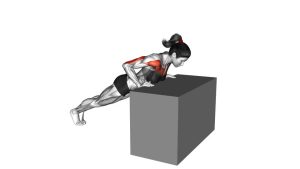
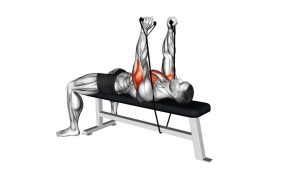
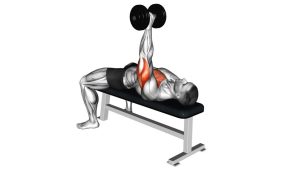
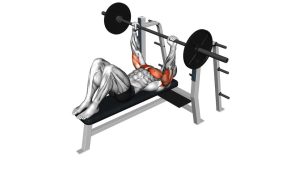
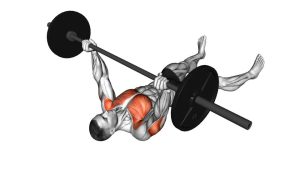
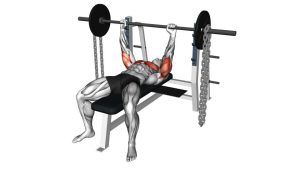
Smith Machine Bench Press: Chest-Focused Form, Sets, Tips & FAQ
Learn how to do the Smith Machine Bench Press with chest-focused technique—setup, bar path, scapular control, sets & reps by goal, common mistakes, FAQs, and recommended equipment.
Smith Machine Bench Press
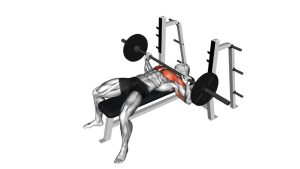
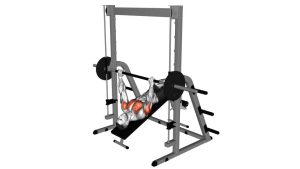
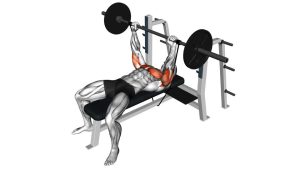
Because the Smith rails guide the bar, many lifters accidentally press with poor shoulder position. Your goal is to keep the upper back locked in and let the pecs do the work: controlled eccentric, light touch, and smooth press. If you feel mainly shoulders or elbows, adjust your bench position and elbow angle.
Quick Overview
| Body Part | Chest |
|---|---|
| Primary Muscle | Pectoralis major (mid-pec emphasis on flat setup) |
| Secondary Muscle | Triceps, anterior deltoids, serratus (stability), upper back stabilizers |
| Equipment | Smith machine + flat bench (optional: wrist wraps, microplates) |
| Difficulty | Intermediate (easy to load; technique matters for shoulders) |
Sets & Reps (By Goal)
- Hypertrophy (chest growth): 3–5 sets × 6–12 reps (60–120 sec rest)
- Strength focus: 4–6 sets × 3–6 reps (2–3 min rest)
- Technique + control: 2–4 sets × 8–10 reps (2–3 sec lower, 60–90 sec rest)
- Chest “finisher”: 2–3 sets × 10–15 reps (moderate load, clean reps only)
Progression rule: Add reps first until you hit the top of the range with perfect form, then increase load by the smallest jump available (microplates help a lot on Smith work).
Setup / Starting Position
- Bench alignment: Place the bench so the bar lowers to your mid-to-lower chest. Test with the empty bar first.
- Feet planted: Set feet firmly on the floor for stability—think “push the floor away” without lifting hips.
- Shoulders locked: Retract and depress your shoulder blades (shoulders back + down). Keep this position.
- Grip: Use a pronated grip slightly wider than shoulder-width; wrists stacked over elbows.
- Safety stops: Set the Smith safety catches to a height that prevents you from getting pinned.
Tip: If you feel shoulder pinching at the bottom, bring the bench slightly toward your feet and tuck elbows a bit more.
Execution (Step-by-Step)
- Unrack with control: Brace your core, keep chest up, rotate the bar to unlock, and stabilize at the top.
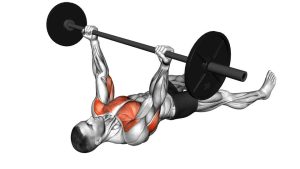
- Lower slowly: Take 2–3 seconds down. Keep shoulders pinned and elbows at ~30–60° from your torso (not extreme flare).
- Light chest touch: Tap the bar to the mid-to-lower chest with no bounce.
- Press smoothly: Drive up along the rails, keeping forearms vertical and tension on the pecs.
- Finish strong: Stop just short of slamming lockout—stay tight and repeat.
Pro Tips & Common Mistakes
- Chest up, shoulders back: Losing scapular retraction is the fastest way to turn this into a shoulder exercise.
- Don’t bounce: A controlled touch keeps tension on the pecs and protects the shoulders.
- Elbow angle matters: Too much flare can irritate shoulders; too much tuck can over-shift to triceps.
- Use a consistent bar touch point: Mid-to-lower chest is usually best for chest emphasis.
- Avoid half reps with heavy load: If depth is limited by mobility/pain, lighten the weight and build control.
- Pair smartly: Great with flies or cable work after pressing for a full chest session.
FAQ
Is the Smith Machine Bench Press better than a barbell bench press?
It’s not “better,” but it’s different. The Smith offers a stable bar path and can be great for controlled hypertrophy. Barbell bench demands more stabilization and may carry over more to free-weight strength. Many lifters use both.
Where should the bar touch on my chest?
Most lifters do best touching the mid-to-lower chest on a flat bench. If it touches too high, you may feel more shoulders; too low can shift stress to elbows and reduce control.
Why do I feel this mostly in my shoulders or triceps?
Common causes are: shoulders drifting forward, elbows flaring, bench positioned poorly under the rails, or pressing too fast. Re-check scapular position, slow the lowering phase, and adjust the bench so the bar path matches your anatomy.
How deep should I go?
Lower to a comfortable chest touch with no pain and no shoulder pinching. If your shoulders feel stressed at full depth, reduce range slightly and prioritize control while you build mobility and stability.
Recommended Equipment (Optional)
- Weightlifting Wrist Wraps — helps keep wrists stacked and comfortable under heavier pressing loads
- Micro Plates (Fractional Plates) — perfect for small load increases and steady strength progression
- Bench Grip Pad / Non-Slip Bench Cover — improves upper-back traction so your shoulders stay pinned
- Resistance Bands Set — great for warm-ups (band pull-aparts, external rotations) and shoulder prep
- Foam Roller (Thoracic Mobility) — helps open the upper back to improve pressing posture and chest engagement
Tip: If pressing irritates your shoulders, invest in warm-up tools (bands + mobility) before adding more load. Clean scapular control beats heavy weight with bad position.