Barbell Preacher Curl: Proper Form, Muscles Worked, Sets, Tips & FAQ
Learn how to do the Barbell Preacher Curl with strict form to build bigger, stronger biceps. Includes muscles worked, setup, step-by-step execution, sets by goal, common mistakes, FAQ, and recommended equipment.
Barbell Preacher Curl
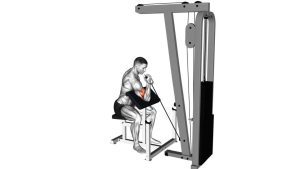
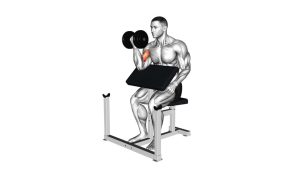
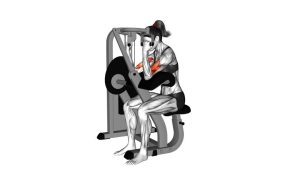
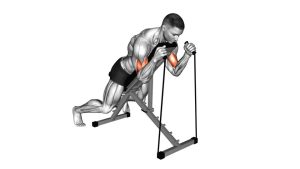
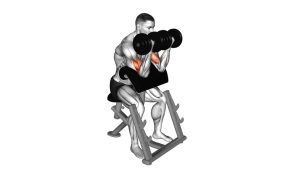
The version shown in the video demonstrates a classic preacher curl setup: the lifter sits on the bench with the upper arms fully supported on the angled pad, starts from a stretched bottom position, curls the bar upward without swinging, and lowers it back under control. This setup helps reduce cheating compared with standing curls and makes the exercise especially useful for building stricter biceps strength and hypertrophy.
Quick Overview
| Body Part | Arms |
|---|---|
| Primary Muscle | Biceps brachii |
| Secondary Muscle | Brachialis, brachioradialis, forearm flexors |
| Equipment | Preacher curl bench, straight barbell, weight plates |
| Difficulty | Beginner to Intermediate |
Sets & Reps (By Goal)
- Muscle growth: 3-4 sets × 8-12 reps with controlled tempo and 60-90 seconds rest
- Strength focus: 4-5 sets × 5-8 reps with a heavier load and 90-120 seconds rest
- Technique practice: 2-3 sets × 10-15 reps using lighter weight and very strict form
- Finisher / pump work: 2-3 sets × 12-15 reps with slow eccentrics and short rest
Progression rule: First improve rep quality, full range, and lowering control. Then increase load gradually while keeping the upper arms fixed against the pad.
Setup / Starting Position
- Adjust the bench: Set the seat so your armpits sit comfortably near the top edge of the preacher pad without overreaching.
- Plant your body: Sit tall with your chest stable, feet flat, and hips anchored on the bench.
- Place the upper arms on the pad: The back of the upper arms should stay fully supported during the entire set.
- Grip the barbell: Use an underhand grip at about shoulder width or slightly narrower if it feels better on your wrists.
- Start at the bottom: Hold the bar with elbows nearly straight, keeping a slight softness in the joints rather than aggressively locking out.
Tip: If your shoulders roll forward or your elbows float, lower the weight and reset your bench position.
Execution (Step-by-Step)
- Brace and prepare: Keep the chest steady, wrists neutral, and upper arms glued to the preacher pad.
- Initiate the curl: Flex the elbows and raise the bar in a smooth arc without jerking the weight upward.
- Pass the midpoint under control: As the forearms move toward vertical, keep tension on the biceps and avoid lifting the elbows off the pad.
- Squeeze at the top: Bring the bar near shoulder level or as high as your structure allows without collapsing posture.
- Lower slowly: Reverse the movement with control, resisting gravity on the way down until you return to the stretched bottom position.
- Repeat cleanly: Each rep should look nearly identical, with no bouncing, swinging, or rushing through the eccentric phase.
Pro Tips & Common Mistakes
- Keep the upper arms pinned: Lifting the elbows changes the mechanics and reduces the strict isolation effect.
- Control the bottom range: The stretched position is valuable, but do not slam into it or hyperextend the elbows.
- Use a full but safe range of motion: Lower deep enough to stretch the biceps, then curl as high as you can without losing position.
- Watch wrist position: Excessive wrist bending can shift stress away from the biceps and irritate the forearms.
- Don’t ego lift: A lighter, cleaner preacher curl usually builds more biceps tension than a sloppy heavy set.
- Emphasize the eccentric: A 2-4 second lowering phase can make this exercise much more effective for hypertrophy.
- Avoid shoulder takeover: Keep the torso quiet and let the elbows do the work.
FAQ
What muscles does the barbell preacher curl work?
It primarily targets the biceps brachii, with the brachialis, brachioradialis, and forearm flexors assisting during elbow flexion and grip.
Is the barbell preacher curl better than a standing curl?
It is not automatically better, but it is stricter. The preacher bench reduces body momentum, which can make it easier to isolate the biceps and maintain cleaner reps.
Should I fully lock out at the bottom?
It is usually better to reach a deep stretch with control while keeping a slight softness in the elbows instead of snapping into hard lockout on every repetition.
Can beginners use this exercise?
Yes. Beginners can use it effectively as long as the weight is light enough to keep the upper arms planted and the movement controlled.
How heavy should I go on preacher curls?
Use a load that lets you move smoothly through the full rep without shoulder swing, elbow lift, or fast uncontrolled lowering. Strict form matters more than absolute weight here.
Recommended Equipment
- Adjustable Preacher Curl Bench — ideal for strict arm isolation and better upper-arm support
- EZ Curl Bar — a wrist-friendlier alternative if straight-bar preacher curls bother your joints
- Olympic Weight Plates — useful for progressive overload on preacher curl variations
- Resistance Band Set — great for warm-ups, elbow preparation, and high-rep arm finishers
- Bench Pad Towel or Arm Pad Cover — adds comfort during longer preacher curl sessions on firmer pads
Choose equipment that supports strict setup, comfortable elbow positioning, and steady progression over time.