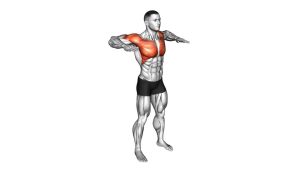
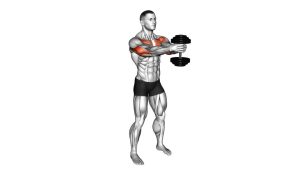
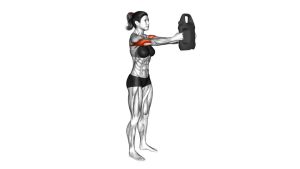
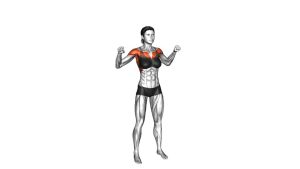
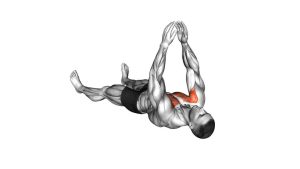
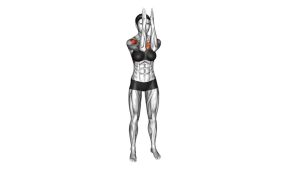
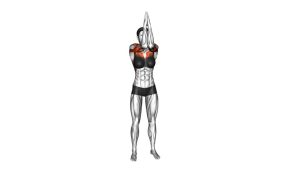
Weighted Svend Press: Chest Squeeze Press Form, Sets, Tips & FAQ
Learn the Weighted Svend Press (plate squeeze press) to build chest thickness and improve pec activation. Step-by-step form, sets by goal, common mistakes, FAQs, and recommended equipment.
Weighted Svend Press
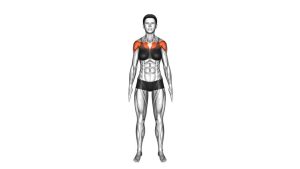
This movement is all about constant pressure and clean control. You should feel the pecs working from the start—before you even press—because you’re squeezing the plate(s) hard. If your shoulders take over, reduce the load and focus on keeping the ribs down, shoulders relaxed, and elbows slightly tucked.
Quick Overview
| Body Part | Chest |
|---|---|
| Primary Muscle | Pectoralis major (sternal fibers emphasis via squeeze) |
| Secondary Muscle | Anterior deltoids, triceps, serratus anterior (stability), core (anti-arch) |
| Equipment | Weight plate (or two plates squeezed together); optional bench for seated variation |
| Difficulty | Beginner–Intermediate (simple technique, but requires steady control and shoulder positioning) |
Sets & Reps (By Goal)
- Hypertrophy (main accessory): 3–4 sets × 8–15 reps (60–90 sec rest)
- Chest activation (pre-press primer): 2–3 sets × 10–15 reps (45–75 sec rest)
- Pump / finisher: 2–4 sets × 12–20 reps (30–60 sec rest)
- Technique + mind-muscle: 2–3 sets × 6–10 reps (slow tempo, 60–90 sec rest)
Progression rule: Add reps first while keeping the squeeze strong and the plate steady. Then increase load slightly. If the squeeze disappears, the set stops being a Svend press.
Setup / Starting Position
- Choose your load: Start with a manageable plate you can control without shaking (often 5–20 kg depending on level).
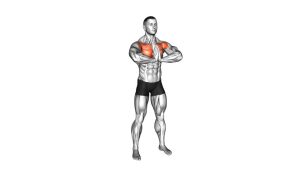
- Grip position: Hold the plate vertically between both palms at mid-chest (sternum height). Fingers wrap around the edges if needed.
- Lock in posture: Stand tall with feet shoulder-width. Brace your core and keep ribs down to avoid leaning back.
- Shoulders set: Pull shoulders slightly back and down (no shrugging). Chest proud but not over-arched.
- Pre-squeeze: Press palms inward hard before you start—this is what makes the exercise work.
Tip: If you feel shoulder strain, try a slightly lower press path (mid-chest line) and keep elbows closer to your body.
Execution (Step-by-Step)
- Squeeze first: Crush the plate between your palms and keep that pressure constant.
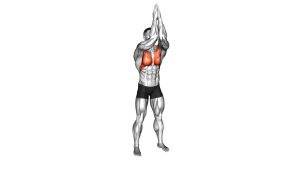
- Press forward: Push the plate straight out from your chest in a smooth line (don’t let it drift up/down).
- Elbows soft: Extend until arms are nearly straight—avoid snapping hard into lockout.
- Peak contraction: At full reach, keep squeezing for 1–2 seconds while breathing steadily.
- Controlled return: Bring the plate back to your chest slowly—don’t let tension drop at the bottom.
Pro Tips & Common Mistakes
- Make the squeeze the priority: The inward pressure is what drives pec tension—don’t “just press.”
- Keep the plate stable: Wobbling usually means the load is too heavy or the squeeze is inconsistent.
- Don’t flare elbows wide: Slight tuck helps keep the press chest-dominant and shoulder-friendly.
- Avoid leaning back: If you turn it into a standing incline press, you’ll lose chest focus and stress the lower back.
- Use a controlled tempo: 1–2 sec press, 1–2 sec squeeze, 2–3 sec return is a great starting rhythm.
- Pair smartly: Great after bench press, dumbbell press, or push-ups as a chest “finisher.”
FAQ
Where should I feel the Weighted Svend Press?
Mostly in the chest, especially when you actively squeeze the plate throughout the set. You’ll also feel triceps and front delts, but the pecs should dominate if your squeeze is strong and your shoulders stay down.
Is the Svend Press good for “inner chest”?
The chest is one muscle, but the constant adduction (squeezing) often creates a strong sensation near the sternum (sternal fibers). It’s excellent for pec activation and a deep pump.
Should I do this heavy or higher reps?
Most people get the best results with moderate loads and 8–20 reps. Going too heavy usually breaks the squeeze and shifts tension into shoulders/triceps.
Can I do the Svend Press seated or on a bench?
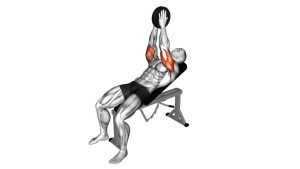
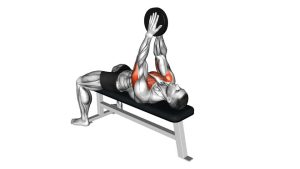
Yes. A seated or bench-supported version reduces lower-back involvement and helps you stay strict. Keep the same rules: squeeze first, press smooth, don’t shrug.
What’s the most common mistake?
Losing the squeeze—especially at full extension. If the plate feels “easy” at the top, your pec tension drops. Keep crushing the plate and use a brief squeeze pause.
Recommended Equipment (Optional)
- Weight Plates (pairs) — use one plate or squeeze two plates together for a stronger adduction demand
- Adjustable Weight Plate Set — easy load changes for progressive overload and different rep ranges
- Resistance Bands Set — great for pairing with chest warm-ups (band flys, press-outs) and posture work
- Adjustable Workout Bench — supports seated/bench Svend press variations for stricter form
- Push-Up Handles — optional pairing tool for chest supersets (push-ups + Svend press finisher)
Tip: Choose tools that help you stay strict. If any item causes shoulder discomfort, reduce range, lighten load, or switch variations.