Dumbbell Step-Up with Single-Leg Balance and Bicep Curl: Form, Sets, Tips & FAQ
Learn how to perform the Dumbbell Step-Up with Single-Leg Balance and Bicep Curl for lower-body strength, balance, coordination, and arm development. Includes form tips, sets by goal, common mistakes, FAQs, and recommended equipment.
Dumbbell Step-Up with Single-Leg Balance and Bicep Curl
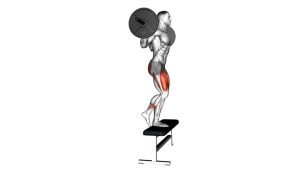
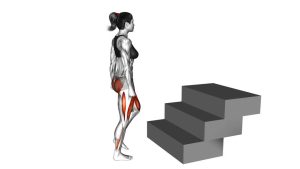
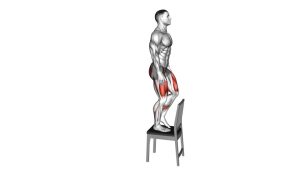
This movement works best when you treat it like three linked skills in one rep: drive through the front leg, stabilize on one leg, then curl with control. It is excellent for improving unilateral lower-body strength, balance, posture, and arm coordination. Use a box or bench height that lets you maintain smooth mechanics without pushing off aggressively from the floor.
Quick Overview
| Body Part | Legs |
|---|---|
| Primary Muscle | Quadriceps and glutes |
| Secondary Muscle | Biceps, calves, hamstrings, and core stabilizers |
| Equipment | Dumbbells and a sturdy step, box, or flat bench |
| Difficulty | Intermediate (balance, coordination, and unilateral strength required) |
Sets & Reps (By Goal)
- General strength: 3–4 sets × 6–8 reps per side with controlled curls and 60–90 sec rest
- Balance + coordination: 2–4 sets × 8–10 reps per side using lighter dumbbells and smooth tempo
- Muscle endurance / conditioning: 2–3 sets × 10–12 reps per side with moderate load and short top pause
- Athletic warm-up: 2 sets × 5–6 reps per side using very light dumbbells or bodyweight arms only
Progression rule: First improve balance quality, control, and step-up height. Then increase dumbbell load gradually. Do not add weight until you can pause at the top without wobbling.
Setup / Starting Position
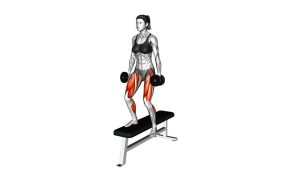
- Choose your platform: Use a step, box, or bench that allows a strong step-up without forcing excessive knee or hip flexion.
- Hold the dumbbells at your sides: Start with a neutral grip, arms fully extended, shoulders relaxed, and chest up.
- Place the working foot on the platform: Keep the whole foot planted, especially the heel and midfoot.
- Brace your torso: Tighten the core lightly, keep the spine neutral, and look forward.
- Set the non-working leg behind you: It should help only with balance before the rep begins, not with pushing off hard.
Tip: A lower box is often better when learning this movement because it lets you control the balance phase more easily.
Execution (Step-by-Step)
- Drive through the elevated foot: Push through the working leg and rise onto the platform without jumping off the back foot.
- Stand tall at the top: Bring your body fully upright and balance on the working leg.
- Lift the trailing leg slightly: Keep the free leg off the platform with the knee softly bent to create a clean single-leg hold.
- Perform the curl: Once stable, curl the dumbbells toward the shoulders while keeping the elbows close to the body.
- Pause briefly: Hold the top for a moment without leaning back or swinging.
- Lower the dumbbells slowly: Return the weights to your sides under control while maintaining balance.
- Step down carefully: Bring the free leg back to the floor, then return the working leg to the start position.
- Repeat all reps on one side or alternate sides: Choose the method that best matches your training goal.
Pro Tips & Common Mistakes
- Step, don’t jump: The working leg should do most of the lifting.
- Own the top position: Balance first, curl second.
- Keep the knee tracking cleanly: Avoid letting the front knee cave inward.
- Stay tall through the torso: Excessive forward lean usually means the box is too high or the load is too heavy.
- Don’t swing the dumbbells: Use strict elbow flexion for the curl rather than body English.
- Control the descent: A slow step-down protects the knee and improves stability.
- Use moderate loads: This exercise is more about quality movement than maximum weight.
FAQ
What muscles does the dumbbell step-up with bicep curl work?
The exercise mainly targets the quads and glutes during the step-up, while the biceps handle the curl. Your core, calves, and hip stabilizers also work hard to keep you balanced on one leg.
Should I curl the dumbbells while stepping up?
No. For cleaner mechanics, step up first, find balance at the top, and then perform the curl. That sequence keeps the movement safer and more controlled.
Is this more of a leg exercise or an arm exercise?
It is primarily a leg and balance exercise with an added arm component. The lower body drives the rep, while the curl adds coordination and upper-body involvement.
What platform height should I use?
Use a height that lets you step up smoothly without twisting, collapsing forward, or pushing hard off the back foot. Most people do best starting with a low-to-moderate box height.
Can beginners do this exercise?
Beginners can learn it, but it is usually easier to master the basic dumbbell step-up and separate biceps curl first. Once those feel stable, combine them into one movement.
Recommended Equipment
- Adjustable Aerobic Step Platform — ideal for controlled step-up height adjustments and home training
- Rubber Hex Dumbbells — stable, easy to hold, and practical for step-up and curl combinations
- Adjustable Dumbbell Set — useful for progressing load without needing multiple fixed dumbbell pairs
- Resistance Bands Set — helpful for warm-ups, glute activation, and lower-body prep before training
- Balance Pad — useful for improving foot and ankle stability outside the main lift
Choose equipment that helps you maintain clean mechanics first. Stability and controlled range matter more than adding extra load too early.