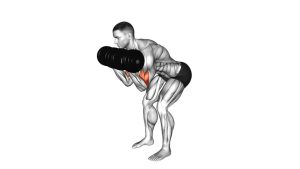
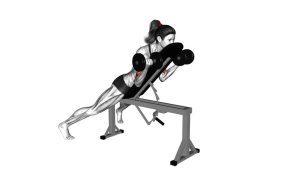
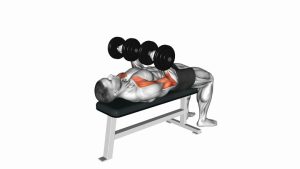
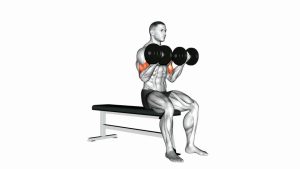
Dumbbell Biceps Curl (With Arm Blaster): Form, Sets, Tips & FAQ
Learn the Dumbbell Biceps Curl with Arm Blaster for stricter biceps isolation and cleaner elbow flexion. Includes form tips, sets by goal, common mistakes, FAQs, and recommended equipment.
Dumbbell Biceps Curl (With Arm Blaster)
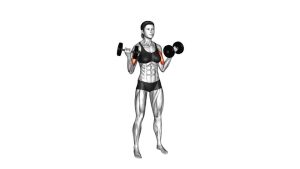
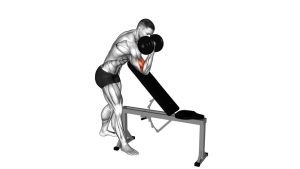
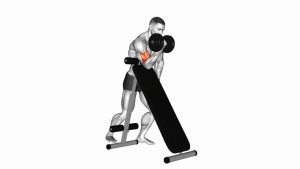
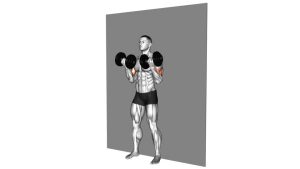
This exercise is most effective when performed with a controlled tempo and a fixed elbow position. The arm blaster helps prevent swinging, leaning back, and elbow drift, so the biceps have to do more of the work. You should feel a strong contraction in the front of the upper arms, especially as the dumbbells move through the mid-range and into the top squeeze. Use a weight you can control without bouncing, shrugging, or shortening the range of motion.
Quick Overview
| Body Part | Biceps |
|---|---|
| Primary Muscle | Biceps brachii |
| Secondary Muscle | Brachialis, brachioradialis, forearm flexors |
| Equipment | Dumbbells, arm blaster |
| Difficulty | Beginner to Intermediate |
Sets & Reps (By Goal)
- Muscle growth: 3–4 sets × 8–12 reps, 60–90 seconds rest
- Strength-focused curling: 4–5 sets × 5–8 reps, 90–120 seconds rest
- Technique and isolation work: 2–3 sets × 10–15 reps, 45–75 seconds rest
- Finisher / pump work: 2–3 sets × 12–20 reps, 30–45 seconds rest
Progression rule: Increase reps before increasing weight. Once you can complete all sets with strict form and a controlled lowering phase, move up to the next dumbbell increment.
Setup / Starting Position
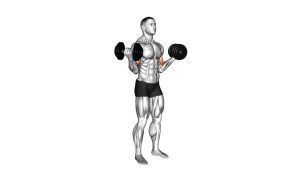
- Put on the arm blaster: Strap it around your neck so the plate rests firmly against your upper abs or lower chest.
- Grab two dumbbells: Hold one in each hand with a supinated grip (palms facing forward).
- Pin the upper arms: Let your elbows rest against the arm blaster so they stay slightly in front of the torso.
- Stand tall: Keep your chest up, core lightly braced, and shoulders down and back.
- Start from full extension: Arms should hang straight down with the elbows extended, but not violently locked out.
Tip: Before starting the first rep, make sure the arm blaster is stable and not shifting around. A loose setup reduces the strictness of the exercise.
Execution (Step-by-Step)
- Brace and stay tall: Keep your torso upright and avoid leaning back to initiate the curl.
- Curl the dumbbells upward: Flex at the elbows and raise the dumbbells in a smooth arc toward shoulder height.
- Keep elbows fixed: Press the upper arms into the arm blaster and do not let the elbows drift backward or flare outward.
- Squeeze at the top: Pause briefly when the biceps are fully contracted without losing wrist alignment.
- Lower under control: Slowly return the dumbbells to the starting position, maintaining tension through the eccentric phase.
- Repeat cleanly: Perform each rep with the same path, tempo, and posture instead of using momentum.
Pro Tips & Common Mistakes
- Use the arm blaster correctly: Let it guide elbow position, but do not slam your arms into it.
- Control the lowering phase: The eccentric portion builds a lot of biceps tension—do not rush it.
- Keep the wrists neutral: Excessive wrist bending can shift stress into the forearms and reduce curl efficiency.
- Do not swing: Leaning back turns the curl into a momentum exercise and defeats the purpose of the arm blaster.
- Train through a full range: Lower the dumbbells fully and curl as high as you can without shoulder compensation.
- Pick the right load: Strict curls usually require lighter dumbbells than regular standing curls.
- Avoid shrugging: Keep the upper traps relaxed so the biceps stay the main driver.
FAQ
What does the arm blaster do during dumbbell curls?
The arm blaster keeps your elbows fixed in position so you cannot cheat the curl with shoulder movement or body swing. This increases biceps isolation and usually makes each rep feel stricter and more controlled.
Is this better than a regular standing dumbbell curl?
It is not automatically better, but it is stricter. A regular standing curl allows more freedom, while the arm blaster version reduces cheating and can help lifters focus more directly on the biceps.
Should I curl both dumbbells at the same time or alternate?
Both methods can work, but curling both at the same time often fits the arm blaster setup best and keeps the movement symmetrical. Alternating can also be used if you want to focus on one arm at a time.
Where should I feel this exercise most?
You should primarily feel it in the front of the upper arms, especially through the mid-range and at the top squeeze. Some forearm involvement is normal, but the biceps should be doing most of the work.
What are the most common mistakes with arm blaster curls?
The biggest mistakes are using too much weight, leaning back, letting the elbows move off the pad, shortening the range of motion, and lowering the dumbbells too quickly.
Recommended Equipment
- Arm Blaster for Biceps Training — the key tool for locking elbow position and making curls stricter
- Adjustable Dumbbells — ideal for progressive overload without needing a full dumbbell rack
- Weightlifting Gloves or Grip Pads — useful if grip fatigue limits your curling performance
- Wrist Wraps for Lifting — extra support if your wrists feel unstable during heavier sets
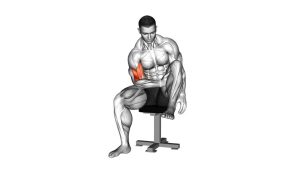
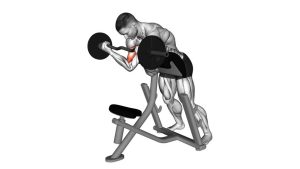
- Adjustable Weight Bench — useful for pairing curls with incline curls, concentration curls, and other arm accessories
Tip: The best results come from combining strict curl tools with manageable loading. Keep quality high, especially on the lowering phase.