Standing Cable Chest Press: Proper Form, Sets, Benefits & Tips
Learn how to perform the Standing Cable Chest Press with perfect form to build chest strength and size using constant tension. Step-by-step execution, sets by goal, tips, mistakes, and equipment recommendations.
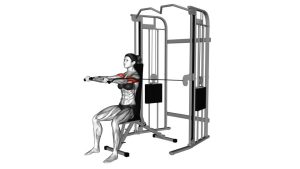
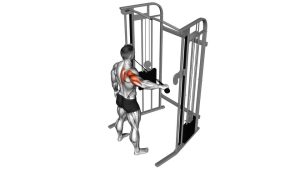
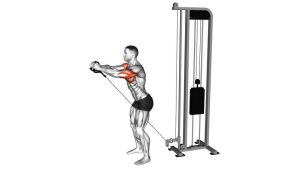
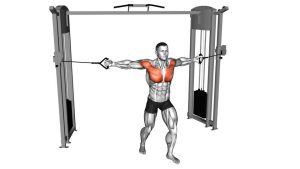
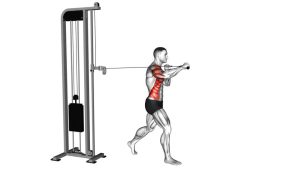
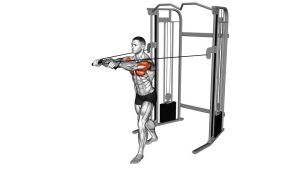
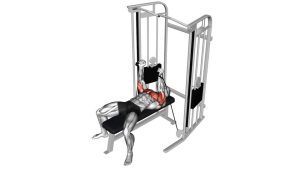
Cable Standing Chest Press
This movement shines when you treat it like a “precision press.” Because cables pull you backward and outward, you’ll get strong pec activation without needing heavy loads. Keep the ribs stacked over the pelvis, brace lightly, and let the chest drive the press—without shrugging or turning it into a shoulder exercise.
Quick Overview
| Body Part | Chest |
|---|---|
| Primary Muscle | Pectoralis major (mid-chest emphasis) |
| Secondary Muscle | Anterior deltoids, triceps, serratus anterior, core stabilizers |
| Equipment | Dual cable station + single-grip handles (or D-handles) |
| Difficulty | Beginner–Intermediate (easy to learn, challenging to perfect) |
Sets & Reps (By Goal)
- Muscle gain (hypertrophy): 3–5 sets × 8–15 reps (60–90 sec rest)
- Strength focus (controlled pressing): 4–6 sets × 5–8 reps (90–150 sec rest)
- Chest pump / finisher: 2–4 sets × 12–20 reps (45–75 sec rest)
- Shoulder-friendly pressing / technique: 2–3 sets × 10–15 reps (smooth tempo)
Progression rule: Add reps first (clean form), then add a small amount of weight. Keep 1–3 reps in reserve on most sets for better shoulder comfort and consistent tension.
Setup / Starting Position
- Set the pulleys: Position both cable pulleys at roughly mid-chest height (start here, then fine-tune).
- Attach handles: Use two single-grip handles (D-handles). Grip firmly but don’t death-grip.
- Step forward: Take 1–2 steps forward so the cables have tension at the start.
- Stance: Use a staggered stance (one foot slightly forward) for balance and anti-rotation stability.
- Press position: Elbows bent ~90° and slightly behind the torso; hands near chest level.
- Posture: Chest tall, shoulders down/back, ribs stacked, core lightly braced.
Tip: If you feel your low back arching, shorten your stance and exhale gently to bring ribs down before pressing.
Execution (Step-by-Step)
- Set tension: Pull the shoulder blades slightly back and down; keep neck long and chest proud.
- Press forward: Drive both handles forward in a smooth path, ending with hands in front of the chest.
- Stay stable: Keep torso tall—no leaning forward, no twisting, no bouncing.
- Peak squeeze: Briefly squeeze the chest for 0.5–1 second at near lockout (don’t snap elbows).
- Controlled return: Let the handles come back slowly until you feel a gentle chest stretch, elbows still slightly below shoulder level.
Pro Tips & Common Mistakes
- Keep shoulders down: Shrugging turns it into a trap/shoulder-dominant press.
- Don’t flare hard: Extreme elbow flare can irritate the front of the shoulder—use a comfortable elbow angle.
- Control the eccentric: The return builds chest size—avoid letting cables yank you back.
- Brace the torso: Don’t over-arch the lower back; keep ribs stacked over hips.
- Use a staggered stance: Helps you resist rotation and keep the press smooth.
- Find your cable height: Mid-height is a great start; slightly lower can feel more “mid/upper chest,” slightly higher can reduce shoulder stress for some lifters.
Pro tip: For extra pec focus, think “bring biceps toward each other” as you press—without rounding shoulders forward.
FAQ
Where should I feel the standing cable chest press?
Primarily in the chest, with assistance from the triceps and front delts. You should also feel your core working to keep you stable against the pull of the cables. If shoulders dominate, lighten the load and keep elbows slightly lower.
Is this better than a bench press for chest growth?
It’s not “better,” but it’s excellent for constant tension, cleaner reps, and chest feel. Many lifters use it as a main hypertrophy press or as a secondary press after heavier barbell/dumbbell work.
Should I press straight forward or slightly inward?
A slight inward path is normal and often feels more chest-focused. Don’t turn it into a fly—keep it a press with elbows tracking comfortably and shoulders stable.
What if I feel shoulder pinching?
Reduce load, lower the elbows slightly, shorten range, and avoid excessive flare. Also try adjusting cable height and using a more neutral grip. If symptoms persist, stop and get professional guidance.
How do I make it harder without going heavy?
Slow the eccentric (3–4 seconds), add a 1–2 second chest squeeze at the top, and keep constant tension by avoiding resting at the start. These changes increase time under tension without stressing joints.
Recommended Equipment
- Cable Machine D-Handles (Pair) — a secure, comfortable grip for pressing variations
- Multi-Grip Cable Handles — useful for neutral/angled grips to reduce wrist and shoulder stress
- Cable Attachment Set (Home Gym) — expands exercise options (presses, flys, rows, pushdowns)
- Weightlifting Gloves / Grip Pads — improves comfort and reduces handle slip during high-rep sets
- Resistance Bands Set — great for warm-ups, activation, and chest accessory work
Tip: For the best cable press experience, choose handles with a smooth rotation or comfortable knurling—small comfort upgrades can improve pressing quality.