EZ-Bar Drag Curl: Proper Form, Muscles Worked, Sets, Tips & FAQ
Learn how to perform the EZ-Bar Drag Curl with proper form to target the biceps with less shoulder involvement. Includes muscles worked, setup, step-by-step execution, sets and reps by goal, common mistakes, FAQs, and recommended equipment.
EZ-Bar Drag Curl
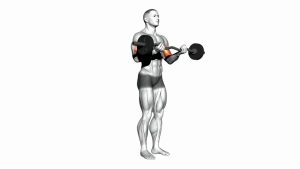
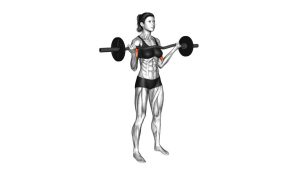
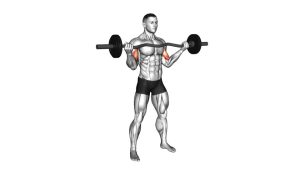
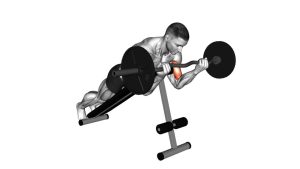
This exercise works best with controlled reps, clean posture, and a tight bar path. The goal is not to throw the weight upward, but to keep the movement smooth while the elbows travel back and the bar stays close to the body. You should feel strong tension in the upper arms, not momentum in the hips or strain in the lower back.
Quick Overview
| Body Part | Arms |
|---|---|
| Primary Muscle | Biceps brachii |
| Secondary Muscle | Brachialis, brachioradialis, forearms |
| Equipment | EZ curl bar and weight plates |
| Difficulty | Beginner to Intermediate |
Sets & Reps (By Goal)
- Muscle growth: 3–4 sets × 8–12 reps with 60–90 sec rest
- Strength-focused arm work: 4–5 sets × 5–8 reps with 90–120 sec rest
- Technique and mind-muscle connection: 2–3 sets × 10–15 reps with slow tempo and lighter load
- Finisher / pump work: 2–3 sets × 12–15 reps with short 45–60 sec rest
Progression rule: Increase load only when you can keep the bar close to the torso, avoid swinging, and control the lowering phase on every rep.
Setup / Starting Position
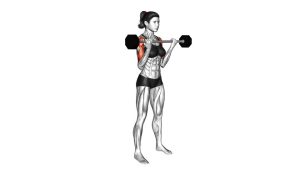
- Stand tall: Place your feet about hip- to shoulder-width apart and brace your core.
- Hold the EZ-bar at thigh level: Use a comfortable angled grip that allows your wrists to stay neutral.
- Set your shoulders: Keep the chest up, shoulders down, and upper back lightly engaged.
- Elbows close to the body: Start with the elbows near your sides and slightly behind the torso if comfortable.
- Stay still: No rocking, no hip drive, and no leaning backward before the rep starts.
Tip: A moderate load usually works best. Going too heavy often turns the drag curl into a sloppy body-English curl.
Execution (Step-by-Step)
- Start the curl by pulling the elbows back: Think about driving the elbows slightly behind you instead of lifting the bar forward.
- Drag the bar up your torso: Keep the EZ-bar close to the body as it travels upward toward the upper abdomen or lower chest.
- Keep the wrists neutral: Let the angled grip of the bar reduce wrist stress while you stay tight through the forearms.
- Squeeze at the top: Pause briefly when the biceps are fully contracted and the elbows are behind the torso.
- Lower under control: Bring the bar back down along the same close path without letting it swing away from the body.
- Reset and repeat: Return to full elbow extension without losing posture before beginning the next rep.
Pro Tips & Common Mistakes
- Keep the bar close: The closer the bar stays to the torso, the more the movement matches proper drag curl mechanics.
- Lead with the elbows: Think elbows back first, then curl.
- Don’t swing: Using hip drive takes tension away from the biceps.
- Avoid leaning back: Excess torso extension is one of the biggest mistakes on this exercise.
- Use full control on the way down: The eccentric phase builds tension and keeps the rep strict.
- Choose the right load: Too much weight usually causes shoulder compensation and a sloppy bar path.
- Don’t shrug at the top: Keep traps relaxed and chest tall.
FAQ
What muscles does the EZ-Bar Drag Curl work?
It mainly targets the biceps brachii, with assistance from the brachialis, brachioradialis, and forearms. Because the elbows travel back, many lifters use it to bias the biceps while reducing front-delt involvement.
How is a drag curl different from a regular curl?
In a regular curl, the bar usually arcs forward as the elbows stay more fixed at the sides. In a drag curl, the bar stays close to the torso and the elbows move backward, creating a different line of tension.
Is the EZ-bar better than a straight bar for drag curls?
For many lifters, yes. The angled grip of an EZ-bar often feels more comfortable on the wrists and elbows, especially during higher-volume arm training.
Should I go heavy on EZ-Bar Drag Curls?
You can train them moderately heavy, but this exercise usually works best with strict form and smooth control. If you need to lean back or swing the weight, it is too heavy.
Where should I feel this exercise most?
You should feel strong tension in the biceps, especially near the top half of the curl. If you mostly feel it in the shoulders or lower back, clean up your posture and reduce the load.
Recommended Equipment
- EZ Curl Bar — the main tool for performing drag curls with a wrist-friendlier grip
- Barbell Collars — helps keep plates secure and stable during every set
- Wrist Wraps — useful if you want extra wrist support during arm training
- Adjustable Weight Bench — a versatile bench is useful for building a complete upper-body training setup around your arm work
- Weight Plates — lets you progressively overload the EZ-bar as your biceps get stronger
Tip: Prioritize a comfortable EZ-bar, secure collars, and manageable plate jumps. Clean execution matters more than piling on extra weight.