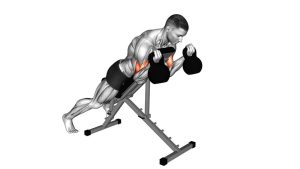
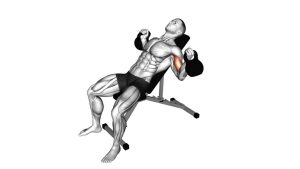
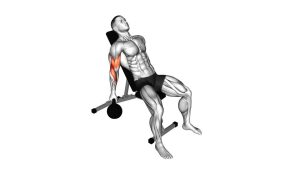
Kettlebell Alternate Biceps Curl: Form, Sets, Tips & FAQ
Learn the Kettlebell Alternate Biceps Curl for stronger, fuller upper arms. Get step-by-step form tips, sets and reps by goal, common mistakes, FAQs, and recommended equipment.
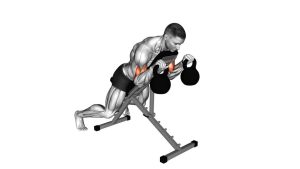
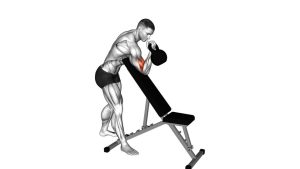
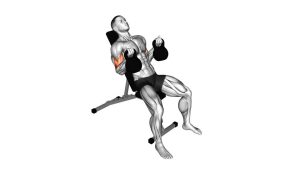
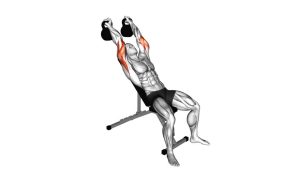
Kettlebell Alternate Biceps Curl
This variation is excellent for lifters who want to improve arm development without relying on momentum. Alternating reps lets you give full attention to one arm at a time, helping clean up imbalances and reinforce stricter technique. You should feel the working arm doing most of the lifting, with the torso staying tall and still throughout the set.
Quick Overview
| Body Part | Biceps |
|---|---|
| Primary Muscle | Biceps brachii |
| Secondary Muscle | Brachialis, brachioradialis, forearms, grip stabilizers |
| Equipment | Two kettlebells |
| Difficulty | Beginner to Intermediate |
Sets & Reps (By Goal)
- Muscle growth: 3–4 sets × 8–12 reps per arm, 60–90 sec rest
- Strength focus: 4–5 sets × 5–8 reps per arm, 90–120 sec rest
- Technique and control: 2–3 sets × 10–15 reps per arm, light-to-moderate load, 45–75 sec rest
- Arm finisher: 2–3 sets × 12–15 reps per arm with slow negatives
Progression rule: Add reps before increasing load. Once you can hit the top of your rep range with strict form on both arms, move to the next kettlebell size.
Setup / Starting Position
- Stand tall: Place your feet about hip- to shoulder-width apart and brace your core.
- Hold a kettlebell in each hand: Let both arms hang naturally at your sides with a neutral grip.
- Set the shoulders: Keep your chest up, shoulders down, and avoid rounding forward.
- Keep elbows close: Your upper arms should stay near your torso from start to finish.
- Start from full extension: Both arms begin straight, with no swinging or preload from the hips.
Tip: Slightly squeeze the handles before the first rep to improve wrist stability and total-body control.
Execution (Step-by-Step)
- Curl one arm first: Bend one elbow and bring the kettlebell upward in a controlled path.
- Keep the upper arm quiet: The elbow stays tucked near the torso instead of drifting forward.
- Lift to peak contraction: Bring the kettlebell near shoulder level and squeeze the biceps briefly at the top.
- Lower with control: Slowly return the kettlebell to the starting position without letting it drop.
- Switch sides: Once one arm reaches full extension, repeat the same motion with the opposite arm.
- Continue alternating: Maintain the same rhythm, posture, and range on both sides for the entire set.
Pro Tips & Common Mistakes
- Don’t swing the kettlebell: Momentum takes tension off the biceps and shifts stress into the lower back.
- Control the eccentric: Lowering slowly often improves arm growth more than rushing the rep down.
- Keep the elbow pinned: Too much shoulder movement turns the curl into a front raise hybrid.
- Stay tall: Avoid leaning back to finish difficult reps.
- Use matching tempo on both sides: This helps correct left-right strength imbalances.
- Don’t overbend the wrist: A stacked wrist position keeps the curl cleaner and more comfortable.
- Train through a full, controlled range: Start from full extension and finish with a solid squeeze instead of half-repping.
FAQ
What makes kettlebell alternate curls different from dumbbell curls?
The kettlebell’s offset load changes how the weight feels in the hand and can increase the stabilization demand on the wrist, forearm, and grip compared with a standard dumbbell curl.
Should I curl both arms together or alternate them?
Alternating is great for control, focus, and balancing out side-to-side differences. It also lets one arm recover briefly while the other works.
Where should I feel this exercise most?
You should feel it primarily in the biceps, with additional effort from the forearms and grip. If you feel it mostly in the shoulders or lower back, your form likely needs adjustment.
Can beginners use this exercise?
Yes. Beginners can use lighter kettlebells and focus on strict reps, slow lowering, and keeping the torso still. Start conservatively and build control first.
How heavy should my kettlebells be?
Choose a load that allows clean reps without swinging, shrugging, or leaning back. If you can’t pause near the top or control the lowering phase, the weight is probably too heavy.
Recommended Equipment
- Cast Iron Kettlebell — a classic option for strict curls, carries, and general strength work
- Adjustable Kettlebell — useful if you want multiple weight jumps without buying several bells
- Kettlebell Wrist Guards — adds comfort and protection during repeated kettlebell training
- Wrist Wraps — helpful for lifters who want extra wrist support during arm sessions
- Dumbbell-to-Kettlebell Converter Handle — a space-saving tool if you want a kettlebell feel using existing dumbbells
Tip: For curls, prioritize handle comfort, grip security, and a weight jump you can control with strict technique.