Dumbbell Split Stance Biceps Curl: Proper Form, Sets, Tips & FAQ
Learn the Dumbbell Split Stance Biceps Curl with proper form, setup, step-by-step execution, sets by goal, common mistakes, FAQs, and recommended equipment for stronger, more controlled biceps training.
Dumbbell Split Stance Biceps Curl
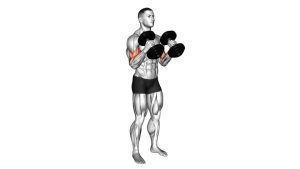
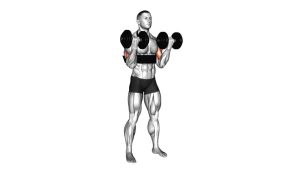
This exercise is best performed with a controlled tempo, a supinated grip, and the elbow kept close to the body throughout the rep. The split stance helps you stay anchored so you can focus on smooth elbow flexion without swinging the weight. It is especially useful for improving unilateral arm development and reinforcing strict curling mechanics.
Quick Overview
| Body Part | Biceps |
|---|---|
| Primary Muscle | Biceps brachii |
| Secondary Muscle | Brachialis, brachioradialis, forearm flexors, core stabilizers |
| Equipment | Single dumbbell |
| Difficulty | Beginner to Intermediate |
Sets & Reps (By Goal)
- Muscle growth: 3–4 sets × 8–12 reps per arm, 60–90 seconds rest
- Strength focus: 4–5 sets × 5–8 reps per arm, 90–120 seconds rest
- Technique and control: 2–3 sets × 10–15 reps per arm, moderate weight, slow tempo
- Finisher / arm pump: 2–3 sets × 12–15 reps per arm, short rest and strict form
Progression rule: Add reps first, then increase the dumbbell load once you can complete every rep with a stable stance, full extension, and no swinging.
Setup / Starting Position
- Take a split stance: Place one foot slightly forward and the other behind you to create a stable base.
- Hold one dumbbell: Grip the dumbbell with a supinated grip so your palm faces forward.
- Stand tall: Keep your chest up, shoulders down, and core lightly braced.
- Let the arm hang naturally: Start with the working arm fully extended by your side.
- Keep the elbow close: Position the elbow near the torso and avoid letting it drift forward before the curl begins.
Tip: The split stance should improve balance, not turn into a lunge. Keep your feet comfortable and grounded.
Execution (Step-by-Step)
- Brace and stay tall: Lock in your split stance and keep the torso still before starting the rep.
- Begin the curl: Flex the elbow and raise the dumbbell in a smooth arc toward the shoulder.
- Keep the wrist neutral: Do not let the wrist fold backward or inward as the weight rises.
- Minimize upper-arm movement: Keep the elbow tucked near your side instead of letting it swing forward.
- Squeeze at the top: When the dumbbell nears shoulder height, briefly contract the biceps.
- Lower under control: Slowly return the dumbbell to the starting position until the arm is nearly fully extended.
- Repeat evenly: Complete all reps on one side or alternate sides depending on your program.
Pro Tips & Common Mistakes
- Use the stance for stability, not leverage: Stay balanced instead of pushing through the legs to help the curl.
- Keep reps strict: Let the elbow flex while the shoulder stays quiet.
- Control the lowering phase: A slow eccentric increases tension and improves technique.
- Do not swing the dumbbell: Momentum reduces biceps involvement and shifts stress elsewhere.
- Avoid shrugging: Keep the traps relaxed so the arm muscles stay the main focus.
- Train both arms evenly: Match reps and form quality from side to side to reduce imbalances.
FAQ
Why use a split stance for biceps curls?
A split stance improves balance and reduces body sway, making it easier to perform strict curls with less momentum. This helps keep more tension on the biceps throughout the set.
Is this better than a regular standing dumbbell curl?
It is not always better, but it can be better for lifters who tend to swing the weight or lose posture during standard standing curls. The split stance encourages cleaner mechanics and better control.
Should I alternate arms or finish one side first?
Both methods can work. Finishing one side at a time often improves focus and consistency, while alternating arms may feel more natural and help manage fatigue.
How heavy should I go on this exercise?
Choose a dumbbell that allows full range of motion, a stable stance, and zero torso swinging. If form breaks down before the target reps, the load is too heavy.
Where should I feel it most?
You should primarily feel the exercise in the front of the upper arm, especially the biceps. Some forearm involvement is normal, but the shoulder and lower back should not dominate the movement.
Recommended Equipment (Optional)
- Adjustable Dumbbells — versatile for progressive overload and home arm training
- Weightlifting Gloves — can improve grip comfort during high-volume dumbbell work
- Adjustable Weight Bench — useful for pairing curls with incline or seated arm variations
- Resistance Bands Set — great for warm-ups, arm finishers, and extra biceps volume
- Foam Exercise Mat — improves footing comfort and training stability in home workouts
Tip: Prioritize a dumbbell setup that lets you increase weight gradually while maintaining strict curl form.