Dynamic Chest Stretch: How to Do It, Warm-Up Sets, Tips & FAQ
Learn the Dynamic Chest Stretch (standing arm swings) to open the pecs and shoulders before pressing workouts. Step-by-step form, sets by goal, common mistakes, FAQs, and recommended gear.
Dynamic Chest Stretch
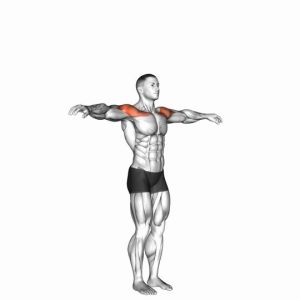
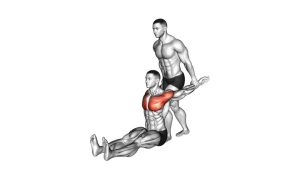
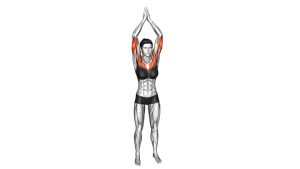
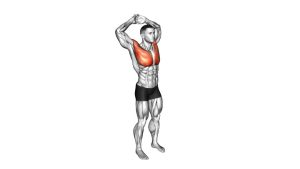
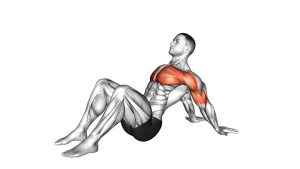
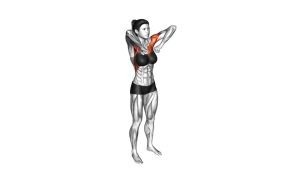
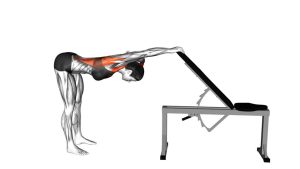
This mobility drill is best done with smooth control—not fast flailing. You should feel a gentle stretch across the front of the chest and a “wake-up” effect in the shoulders, without pinching in the front of the joint. Think open and breathe, then return with control.
Quick Overview
| Body Part | Chest |
|---|---|
| Primary Muscle | Pectoralis major (dynamic stretch / lengthening emphasis) |
| Secondary Muscle | Anterior deltoids, biceps (light), scapular stabilizers |
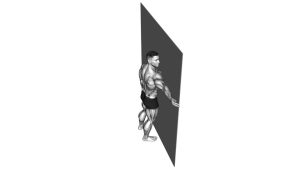
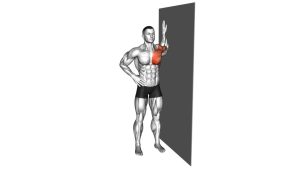
| Equipment | None (optional: light resistance band, doorway/wall for guidance) |
| Difficulty | Beginner (ideal warm-up for pressing and push-ups) |
Sets & Reps (By Goal)
- General warm-up (before chest/shoulders): 1–2 sets × 10–20 reps (easy rhythm, 20–40 sec rest)
- Mobility focus: 2–3 sets × 15–25 reps (slower tempo, 30–60 sec rest)
- Pre-bench / pre-push-up activation: 1–2 sets × 8–15 reps (controlled, stop short of any shoulder pinch)
- Active recovery / desk reset: 1–2 sets × 10–15 reps (very light effort)
Progression rule: Increase control and range gradually. Aim for smoother reps and better posture before adding speed or any resistance.
Setup / Starting Position
- Stand tall: Feet hip- to shoulder-width, knees soft, core lightly braced.
- Set the ribs: Keep ribs down (avoid flaring) and maintain a neutral spine.
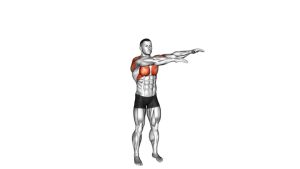
- Arms at chest height: Bring arms forward at about chest/shoulder level with a slight elbow bend.
- Shoulders down: Relax traps—avoid shrugging as you move.
- Choose your range: Start small. You’ll open more as the shoulders warm up.
Tip: If your shoulders feel tight, keep elbows slightly bent and reduce how far the arms travel behind the body.
Execution (Step-by-Step)
- Start centered: Arms forward at chest height, posture tall, neck neutral.
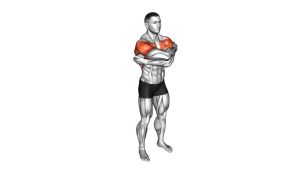
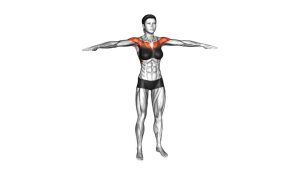
- Open the chest: Sweep the arms outward and slightly back until you feel a gentle stretch in the pecs.
- Keep control: Don’t fling the arms—move smoothly, shoulders staying down and back.
- Return forward: Bring the arms back toward the front (you can lightly cross them if comfortable).
- Repeat rhythmically: Continue for your target reps, breathing naturally.
Pro Tips & Common Mistakes
- Think “open the chest,” not “throw the arms”: Keep the motion controlled and smooth.
- Elbows slightly bent: Protects the joint and helps keep tension in the chest/shoulders.
- Ribs down: Don’t compensate by over-arching your lower back to fake range.
- Stop short of shoulder pinch: A stretch is okay—joint pinching is not.
- Use breath: Inhale as you open, exhale as you return (helps you relax into range).
- Pair with upper-back activation: Band pull-aparts or face pulls can improve shoulder positioning.
FAQ
Where should I feel the dynamic chest stretch?
You should feel a gentle stretch across the front of the chest (pecs) and mild opening in the shoulders. If you feel pinching in the front of the shoulder, reduce range and slow down.
Is this better than a static chest stretch before lifting?
For warm-ups, dynamic mobility is often preferred because it raises tissue temperature and prepares movement. Static stretches can be useful after training or as a separate mobility session.
How fast should I do the reps?
Moderate and controlled. You should be able to stop instantly at any point. If your arms are “flopping,” it’s too fast.
Can I add resistance?
Yes, but keep it very light. A light resistance band can add feedback, but mobility and control should stay the priority (no strain).
Who should be cautious with this exercise?
Anyone with recent shoulder injury, instability, or pain with arm movement should keep the range small and avoid forcing the arms behind the body. If symptoms persist, seek professional guidance.
Recommended Equipment (Optional)
- Light Resistance Bands Set — adds gentle tension and shoulder control without heavy loading
- Mini Loop Bands — useful for warm-up circuits and shoulder positioning drills
- Foam Roller — great for thoracic mobility (upper-back) to improve chest opening
- Posture Corrector Brace (Light Reminder) — awareness tool to reduce rounding (not a replacement for training)
- Massage Ball / Lacrosse Ball — helps release tight pec minor/upper chest areas before mobility work
Tip: Keep warm-up tools light. If tension or pinching increases, reduce range, slow down, or switch to gentler mobility.