Barbell Seated Overhead Triceps Extension: Proper Form, Sets, Tips & FAQ
Learn how to do the Barbell Seated Overhead Triceps Extension with proper form. Discover muscles worked, setup, step-by-step execution, sets and reps by goal, common mistakes, FAQs, and recommended equipment.
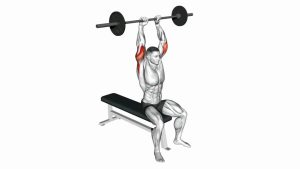
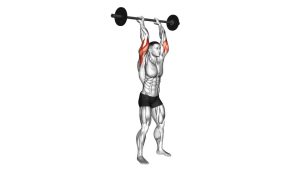
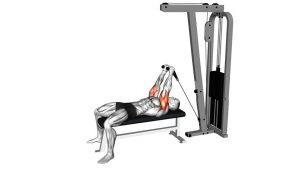
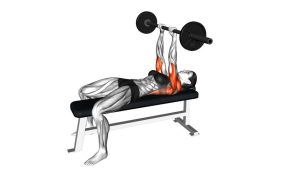
Barbell Seated Overhead Triceps Extension
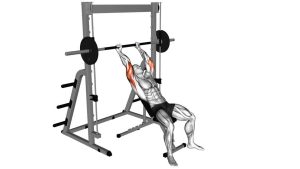
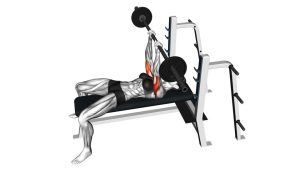
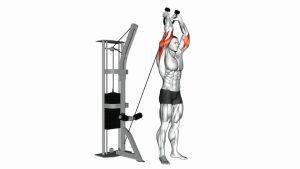
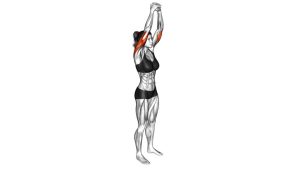
This exercise is best performed with a controlled tempo and strict elbow mechanics. You should feel a strong stretch in the triceps at the bottom and a hard contraction near lockout. The torso should remain upright, the core braced, and the elbows should stay pointed mostly upward instead of drifting wide. Use a load you can control through the full range of motion rather than forcing extra weight with poor form.
Quick Overview
| Body Part | Triceps |
|---|---|
| Primary Muscle | Triceps brachii (long head emphasis) |
| Secondary Muscle | Anconeus, shoulders for stabilization, core for posture support |
| Equipment | Barbell and flat or upright bench |
| Difficulty | Intermediate |
Sets & Reps (By Goal)
- Muscle growth: 3–4 sets × 8–12 reps with controlled lowering and 60–90 sec rest
- Strength focus: 4–5 sets × 5–8 reps with heavier weight and 90–120 sec rest
- Technique / joint-friendly control: 2–3 sets × 10–15 reps with lighter weight and smooth tempo
- Finisher after pressing: 2–3 sets × 12–15 reps with moderate load and short rest
Progression rule: Add reps first, then increase weight gradually once you can keep your elbows stable, maintain a full stretch, and complete every rep without torso movement.
Setup / Starting Position
- Sit tall on a bench: Plant your feet flat and keep your chest up with the core lightly braced.
- Grip the barbell securely: Use a close-to-shoulder-width grip that allows your wrists to stay neutral.
- Press or position the bar overhead: Start with the arms extended above the head.
- Align the elbows: Point them mostly upward and keep them from flaring too far outward.
- Brace before lowering: Keep the head neutral and avoid overarching the lower back.
Tip: A seated position helps reduce lower-body momentum and makes it easier to isolate the triceps.
Execution (Step-by-Step)
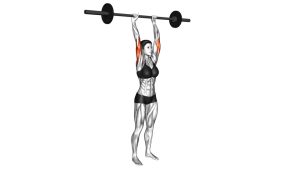
- Start overhead: Hold the barbell directly above your head with the arms fully extended.
- Lower with elbow flexion: Bend the elbows and guide the bar behind your head in a controlled arc.
- Keep upper arms steady: Let the elbows move only as much as needed, but avoid excessive flaring.
- Reach the stretch: Lower until you feel a deep but comfortable triceps stretch.
- Extend back up: Drive through the triceps and straighten the elbows to return the bar overhead.
- Finish under control: Lock out smoothly without slamming the elbows or leaning the torso back.
Pro Tips & Common Mistakes
- Keep your elbows angled upward: Excessive flare shifts tension away from the triceps and stresses the joints.
- Use a full range of motion: Lower deep enough to feel the stretch, but stay pain-free.
- Do not rush the eccentric: The lowering phase is where a lot of triceps stimulus happens.
- Avoid lower-back arching: Brace your abs and keep the ribcage stacked over the hips.
- Do not use momentum: Swinging the bar reduces isolation and increases joint stress.
- Choose the right load: Too much weight usually causes elbow flare, shortened range, and sloppy lockout.
- Warm up first: Light pressing, band pressdowns, or elbow mobility work can improve comfort.
FAQ
What muscles does the Barbell Seated Overhead Triceps Extension work?
It primarily targets the triceps brachii, with extra emphasis on the long head because the arms stay overhead during the movement.
Why do I feel this more in my elbows than my triceps?
This often happens when the weight is too heavy, the elbows flare too much, or the bottom position is forced too aggressively. Reduce the load, slow the tempo, and keep the movement smooth.
Should the bar go behind the head?
Yes. In a proper overhead triceps extension, the bar travels behind the head as the elbows bend. This helps create the stretch that makes the exercise effective.
Is this better for triceps growth than pushdowns?
It can be excellent for triceps growth because the overhead position challenges the long head differently than pushdowns. Many lifters benefit from using both in the same program.
Can beginners do this exercise?
Beginners can perform it, but many do better starting with a dumbbell or cable version first. The barbell variation requires more control, stability, and elbow positioning awareness.
Recommended Equipment
- Olympic Barbell — the main tool for performing the movement with stable loading
- Weight Plates Set — lets you scale resistance gradually for strength and hypertrophy progress
- Adjustable Weight Bench — provides a solid seated setup and better posture support during overhead work
- Weightlifting Wrist Wraps — useful for improving wrist comfort and support during heavier sets
- Elbow Sleeves — can help keep the elbows warm and comfortable during arm training sessions
Tip: Prioritize stable equipment and controlled loading over lifting heavy too soon. Good setup quality improves both safety and triceps tension.