Barbell Lying Triceps Extension: Proper Form, Sets, Tips & FAQ
Learn the Barbell Lying Triceps Extension with proper form, setup, execution tips, sets and reps by goal, common mistakes, FAQs, and recommended equipment for stronger, bigger triceps.
Barbell Lying Triceps Extension
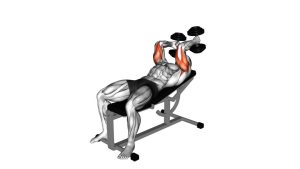
This movement works best when you focus on precision rather than ego loading. Lower the bar under control, keep the elbows from drifting too wide, and avoid turning the rep into a press. The goal is to bend and extend at the elbows while keeping the upper arms as steady as possible. When done correctly, you should feel a strong triceps contraction without relying on momentum.
Quick Overview
| Body Part | Triceps |
|---|---|
| Primary Muscle | Triceps brachii |
| Secondary Muscle | Forearms, anconeus, shoulder stabilizers |
| Equipment | Barbell, weight plates, flat bench |
| Difficulty | Beginner to Intermediate |
Sets & Reps (By Goal)
- Muscle growth: 3–4 sets × 8–12 reps with 60–90 seconds rest
- Strength emphasis: 4–5 sets × 5–8 reps with 90–120 seconds rest
- Technique practice: 2–3 sets × 10–15 reps with light weight and strict form
- Arm-finisher / pump work: 2–3 sets × 12–15 reps with controlled tempo and short rest
Progression rule: Add reps first, then increase load gradually. Only go heavier if you can keep the elbows controlled and the lowering phase smooth.
Setup / Starting Position
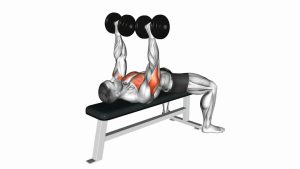
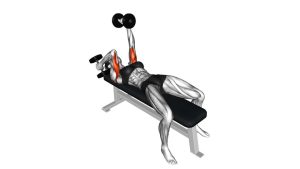
- Set up the bench: Lie flat on a bench with your head, upper back, and glutes supported.
- Plant your feet: Keep both feet firmly on the floor for stability.
- Grip the barbell: Use a shoulder-width or slightly narrower grip, depending on comfort and wrist position.
- Press to the start: Hold the bar above your chest or face with arms extended and wrists neutral.
- Set your elbows: Keep them pointed mostly upward rather than flaring them wide.
Tip: Before lowering the bar, brace your core lightly and make sure the bar feels balanced in your hands.
Execution (Step-by-Step)
- Start at lockout: Hold the bar steady above you with the triceps engaged.
- Bend at the elbows: Lower the bar in a controlled arc toward your forehead or slightly behind it.
- Keep upper arms steady: Minimize shoulder movement and avoid letting the elbows drift excessively outward.
- Reach the bottom carefully: Pause briefly when you feel a deep but comfortable triceps stretch.
- Extend the elbows: Drive the bar back up by straightening the arms without bouncing or jerking.
- Finish under control: Return to a stable top position and repeat for the next rep.
Pro Tips & Common Mistakes
- Lower slowly: A controlled eccentric improves triceps tension and keeps the rep safer.
- Don’t flare the elbows too wide: Excessive flare can reduce isolation and irritate the joints.
- Keep wrists neutral: Avoid excessive wrist extension so the load stays better aligned.
- Use a manageable range: Lower the bar to a depth you can fully control without losing position.
- Don’t swing the shoulders: Too much shoulder movement turns the exercise into something else.
- Choose the right bar: Many lifters find an EZ-style bar more comfortable than a straight bar for elbow and wrist positioning.
FAQ
What muscles does the barbell lying triceps extension work?
It mainly targets the triceps brachii, especially the long head, while the forearms and shoulder stabilizers help control the bar.
Should I lower the bar to my forehead or behind my head?
Both can work. Lowering slightly behind the forehead often feels smoother and may reduce stress on the elbows for some lifters, as long as you can control the path.
Is a straight bar or EZ curl bar better?
A straight bar works, but many people prefer an EZ curl bar because the angled grip can feel more natural on the wrists and elbows.
Can beginners do this exercise?
Yes, but beginners should start light, move slowly, and prioritize elbow control before progressing the load.
How do I keep this exercise from bothering my elbows?
Reduce the load, control the eccentric, keep your wrists stacked, and avoid forcing a range of motion that feels sharp or unstable.
Recommended Equipment
- EZ Curl Bar — a popular option for triceps extensions because the angled grip can feel easier on wrists and elbows
- Adjustable Weight Bench — gives you a stable flat setup for lying extensions and supports many other upper-body exercises
- Barbell Collars — help keep weight plates secure during each rep
- Olympic Weight Plates — useful for progressive overload as your triceps strength improves
- Wrist Wraps — optional support if you want extra wrist stability on heavier sets
Tip: Start with equipment that improves control and comfort first, then add more load over time.