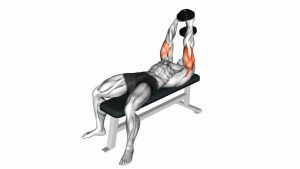
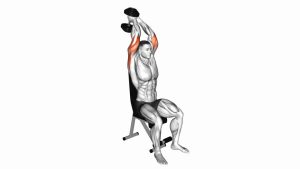
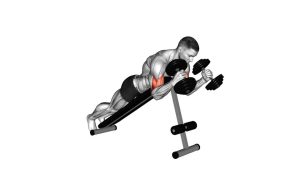
Dumbbell Lying Triceps Extension on Floor: Form, Sets, Tips & FAQ
Learn the Dumbbell Lying Triceps Extension on Floor for stronger triceps with safer range control. Step-by-step form, sets by goal, common mistakes, FAQs, and recommended equipment.
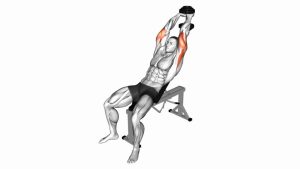
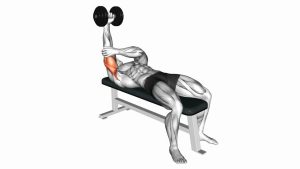
Dumbbell Lying Triceps Extension on Floor
This variation is especially useful for building arm strength and muscle with strict form. Because the floor reduces excessive depth, many lifters find it easier to control than a bench-based triceps extension. You should feel the work mainly in the back of the upper arms, with the shoulders and wrists staying stable throughout the rep.
Quick Overview
| Body Part | Triceps |
|---|---|
| Primary Muscle | Triceps brachii |
| Secondary Muscle | Forearms, shoulder stabilizers |
| Equipment | Dumbbells, exercise mat or padded floor surface |
| Difficulty | Beginner to Intermediate |
Sets & Reps (By Goal)
- Muscle growth: 3–4 sets × 8–12 reps with controlled tempo and 60–90 sec rest
- Strength emphasis: 4–5 sets × 5–8 reps using heavier dumbbells and 90–120 sec rest
- Technique practice: 2–3 sets × 10–15 reps with light weight and perfect control
- Accessory arm work: 2–4 sets × 12–15 reps after presses or dips
Progression tip: Increase reps first, then load. Only move heavier when you can keep your elbows stable and the dumbbells under full control from top to bottom.
Setup / Starting Position
- Lie on the floor: Position yourself on your back with knees bent and feet flat for stability.
- Hold the dumbbells above your chest: Press them into the start position with arms nearly straight.
- Set the upper arms: Keep your elbows pointing upward and your upper arms mostly fixed.
- Brace lightly: Keep your ribs down and core engaged so your torso stays steady.
- Neutral wrists: Keep the wrists stacked over the forearms instead of bending them backward.
Tip: A light mat can make the floor position more comfortable without changing the movement itself.
Execution (Step-by-Step)
- Start tall through the arms: Hold the dumbbells above the chest with the elbows nearly straight.
- Bend at the elbows: Slowly lower the dumbbells toward the sides of your head without letting the upper arms drift too much.
- Control the bottom: Stop once you reach your safe bottom range near the floor and feel a good triceps stretch.
- Extend the elbows: Press the dumbbells back up by straightening the arms while keeping the shoulders quiet.
- Finish under control: Return to the top without slamming into lockout, then repeat for the next rep.
Pro Tips & Common Mistakes
- Keep the upper arms quiet: Too much shoulder movement turns it into a different exercise.
- Lower slowly: The eccentric phase is where a lot of triceps tension is built.
- Do not flare the elbows excessively: Letting the elbows drift wide can reduce control and irritate the joints.
- Don’t go too heavy too soon: This exercise works best with strict form, not momentum.
- Keep wrists neutral: Bent wrists can add unnecessary discomfort and weaken the position.
- Use the floor to your advantage: It helps cap the range and can make the exercise feel more stable than the bench version.
FAQ
What muscles does the dumbbell lying triceps extension on floor work?
It mainly targets the triceps brachii, with the long head receiving plenty of tension. The forearms and shoulder stabilizers assist by controlling the dumbbells.
Is this better than a bench skull crusher?
Not always better, but often more comfortable. The floor naturally limits depth, which can make the exercise feel more controlled and more joint-friendly for some lifters.
How low should I lower the dumbbells?
Lower them only as far as you can while keeping tension on the triceps and control at the elbows. The goal is a strong stretch, not an aggressive drop toward the floor.
Can beginners use this exercise?
Yes. It is a good beginner-friendly triceps isolation movement because the floor helps keep the range more manageable than some other extension variations.
Should I lock out fully at the top?
You can come close to full extension, but many lifters keep a very slight softness at the top to maintain tension and avoid resting between reps.
Recommended Equipment
- Adjustable Dumbbells — versatile for progressive overload and ideal for home triceps training
- Exercise Mat — adds comfort and grip when performing the movement on the floor
- Dumbbell Rack — keeps your training space organized and your weights easy to access
- Wrist Wraps — helpful for lifters who want extra wrist support during arm work
- Foam Roller — useful for general upper-body recovery and mobility work around pressing sessions
Tip: Choose equipment that improves comfort and consistency, but keep the focus on strict technique and appropriate loading.