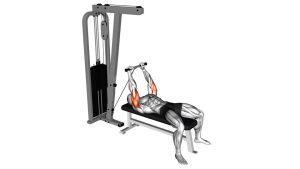
EZ-Barbell Lying Triceps Extension: Form, Muscles Worked, Sets & FAQ
Learn the EZ-Barbell Lying Triceps Extension with proper form, setup, execution steps, sets by goal, common mistakes, FAQs, and recommended equipment for safer, stronger triceps training.
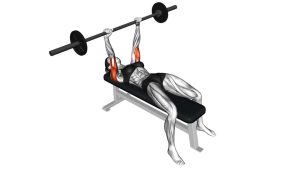
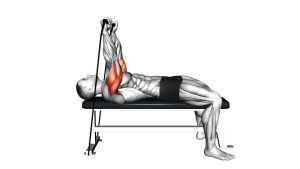
EZ-Barbell Lying Triceps Extension
This exercise is most effective when you control both halves of the rep. Lower the bar with the elbows bending under tension, pause briefly in the stretched position, then extend back to the top by driving through the triceps. Done well, it creates strong tension in the back of the upper arm without excessive shoulder swing or wrist strain.
Quick Overview
| Body Part | Triceps |
|---|---|
| Primary Muscle | Triceps brachii |
| Secondary Muscle | Forearms, anconeus, shoulder stabilizers |
| Equipment | EZ curl bar, weight plates, flat bench, collars |
| Difficulty | Intermediate |
Sets & Reps (By Goal)
- Muscle growth: 3–4 sets × 8–12 reps with controlled tempo and 60–90 sec rest
- Strength-focused accessory work: 4–5 sets × 5–8 reps with 90–120 sec rest
- Technique / joint-friendly volume: 2–3 sets × 10–15 reps with lighter weight and smooth tempo
- Finisher after pressing work: 2–3 sets × 12–15 reps, stopping 1–2 reps before form breaks down
Progression rule: Add reps first, then small load increases. Only progress when you can keep the elbows controlled and the bar path consistent across the full set.
Setup / Starting Position
- Lie flat on a bench: Plant both feet firmly on the floor and keep your upper back stable against the bench.
- Grip the EZ bar comfortably: Use the angled sections that let your wrists stay neutral and secure.
- Press the bar above the shoulders: Start with the arms extended and the bar balanced over the shoulder line.
- Set the elbows: Keep them pointed mostly upward and slightly tucked rather than flared wide.
- Brace lightly: Keep the ribcage controlled and avoid excessive lower-back arching just to move the weight.
Tip: Many lifters feel better lowering the bar slightly behind the head rather than straight to the forehead, especially when chasing a deeper triceps stretch.
Execution (Step-by-Step)
- Start at lockout: Hold the EZ bar above the shoulders with the elbows extended and upper arms steady.
- Lower under control: Bend only at the elbows and guide the bar down in a smooth arc toward the forehead or just behind the head.
- Keep upper arms mostly fixed: A little natural movement is fine, but do not let the shoulders take over the rep.
- Reach the bottom stretch: Stop when the triceps are stretched and you still feel in control of the bar path.
- Extend the elbows: Drive the bar back up by contracting the triceps until the arms return to the top position.
- Reset and repeat: Stabilize briefly at the top before beginning the next rep.
Pro Tips & Common Mistakes
- Use the EZ-bar angles: Choose the grip that keeps your wrists comfortable and your forearms stacked well under the bar.
- Control the eccentric: The lowering phase matters. Don’t drop the bar quickly.
- Don’t flare the elbows too hard: Excessive elbow flare can shift tension away from clean triceps work and irritate the joints.
- Don’t turn it into a press: Keep shoulder involvement low and let elbow extension do the work.
- Keep the bar path repeatable: Forehead or slightly behind the head both work, but pick one path and stay consistent.
- Use moderate loads: This movement usually responds better to control and tension than to ego loading.
FAQ
What muscles does the EZ-Barbell Lying Triceps Extension work?
It mainly targets the triceps brachii. The forearms and shoulder stabilizers help control the bar, but elbow extension is the main action.
Is an EZ bar better than a straight bar for skull crushers?
For many lifters, yes. The angled grip often feels more natural on the wrists and elbows, which can make the exercise more comfortable.
Should I lower the bar to my forehead or behind my head?
Both options can work. Lowering slightly behind the head often creates a larger stretch and can feel smoother on the elbows, while forehead-level reps are easier to standardize.
Why do my elbows hurt during this exercise?
Common reasons include using too much load, dropping the bar too fast, flaring the elbows excessively, or training too close to failure too often. Try reducing load, slowing the eccentric, and cleaning up your bar path.
Where should I place this exercise in a workout?
It usually works best after compound pressing movements, when you want focused triceps volume without needing extremely heavy loads.
Recommended Equipment
- CAP Barbell Threaded Curl Bar Set with 50 LB Cement Grip Plates — a beginner-friendly 47.2-inch EZ curl bar set with threaded collars and included plates for home training
- FLYBIRD Adjustable Weight Bench — a foldable adjustable bench line designed for full-body strength work and bench-based arm exercises
- ProsourceFit Olympic Barbell Spring Clip Collars — easy-grip 2-inch spring collars to keep plates secure during curls, extensions, and other bar work
- ProFitness Wrist Wraps — useful if you want extra wrist support during higher-volume arm training sessions
- ProsourceFit Puzzle Exercise Mat — interlocking floor tiles that help protect a home gym surface under bench and barbell work
Tip: For this exercise, prioritize a comfortable EZ curl bar, a stable bench, and secure collars first. Those three matter more than adding extra accessories too early.