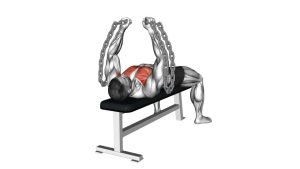
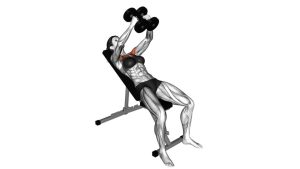
Dumbbell Fly on Exercise Ball: Chest Fly Form, Sets & Reps, Tips + FAQ
Learn how to do the Dumbbell Fly on an Exercise Ball to build your chest with more core and shoulder stability. Includes step-by-step form, sets & reps by goal, common mistakes, FAQs, and recommended equipment.
Dumbbell Fly on Exercise Ball
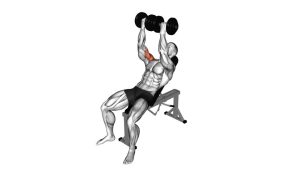
This movement rewards control. You should feel the chest stretching as the arms open, then contracting as you bring the dumbbells back together above the chest. Keep the ribcage down, hips lifted, and shoulders packed—avoid turning it into a loose “arm swing.”
Quick Overview
| Body Part | Chest |
|---|---|
| Primary Muscle | Pectoralis major (chest) |
| Secondary Muscle | Anterior deltoids, biceps (assist), serratus anterior, core + glutes (stability) |
| Equipment | Dumbbells + stability ball (flat, non-slip floor recommended) |
| Difficulty | Intermediate (more challenging due to instability and shoulder control demands) |
Sets & Reps (By Goal)
- Hypertrophy (main goal): 3–4 sets × 8–12 reps (60–90 sec rest, controlled tempo)
- Strength accessory (after presses): 3–5 sets × 6–10 reps (90 sec rest, moderate load)
- Control + shoulder stability: 2–4 sets × 10–15 reps (45–75 sec rest, slower lowering)
- Warm-up / activation: 2–3 sets × 12–20 reps (light load, perfect form)
Progression rule: Add reps first (clean range + steady hips). Then add small load increases. If you lose balance or feel shoulder discomfort, scale back and tighten form.
Setup / Starting Position
- Choose the right ball: Use a stability ball that lets your knees sit around 90° when seated.
- Start seated with dumbbells: Hold dumbbells on your thighs for control before rolling back.
- Walk out and bridge: Roll your upper back onto the ball and walk feet forward until your shoulders/upper back are supported and your hips are lifted (body forms a straight line).
- Brace and stabilize: Light core brace, glutes engaged, feet planted slightly wider than hips.
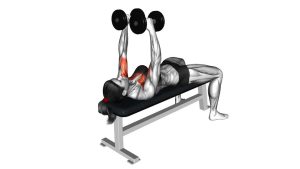
- Press to the start position: Bring dumbbells above chest, palms facing each other, elbows softly bent.
Tip: If balance is challenging, widen your stance slightly and reduce weight. The goal is zero wobble.
Execution (Step-by-Step)
- Set shoulder position: Keep your shoulder blades lightly pulled back and down (no shrugging).
- Lower in a wide arc: Open your arms to the sides with a consistent elbow bend, feeling the chest stretch.
- Control the bottom: Stop when your upper arms are near parallel to the floor (or slightly above if shoulders are sensitive).
- Bring the dumbbells back together: Squeeze the chest and return to the top along the same arc—no bouncing.
- Maintain stability: Hips stay lifted, ribs stay down, head neutral—avoid twisting or sagging.
Pro Tips & Common Mistakes
- Keep elbows “soft”: Slight bend stays consistent—don’t lock out or turn it into a pullover.
- Slow the lowering: A 2–4 second eccentric builds chest stimulus and keeps shoulders safer.
- Don’t overstretch: If you feel shoulder pinching, reduce depth and keep shoulders packed.
- Maintain the bridge: Hips dropping reduces stability and shifts stress into the lower back.
- Neutral wrists: Keep wrists stacked with forearms—don’t let dumbbells tip backward.
- Choose the right load: If you can’t stay stable on the ball, the weights are too heavy.
FAQ
What should I feel during the stability ball dumbbell fly?
You should feel a strong stretch and contraction in the chest, with your core and glutes working to keep you stable. Mild front-shoulder effort is normal, but sharp pinching or pain is not—reduce range and load.
Is this better than doing dumbbell flyes on a bench?
It’s not “better” for everyone—just different. The ball increases stability demands, which can be great for control and core engagement, but it may limit the load you can use. For heavier fly work, a bench is usually more stable.
How low should I go at the bottom?
Lower until you feel a solid chest stretch while keeping your shoulders stable—often when the upper arms are near parallel to the floor. If you feel shoulder stress, stop higher and keep the reps smooth.
Can beginners do this exercise?
Beginners can, but it’s usually smarter to learn dumbbell flyes on a bench or floor first. Once your shoulder control is solid, the stability ball version is an excellent progression.
What’s the best tempo for chest growth?
Try 2–4 seconds down, a brief pause at the stretch, then 1–2 seconds up. Avoid bouncing. Controlled reps usually beat heavier, sloppy reps for fly variations.
Recommended Equipment
- Anti-Burst Stability Ball (Swiss Ball) — safer, more stable support for ball-based pressing and fly work
- Dumbbell Set (Neoprene or Rubber-Coated) — comfortable grip and easy load selection for controlled flyes
- Adjustable Dumbbells — space-saving way to progress load in small increments
- Non-Slip Exercise Mat — improves foot traction and comfort while stabilizing on the ball
- Resistance Bands Set — great for warm-ups (band pull-aparts) to prep shoulders before flyes
Tip: Prioritize stability and control over heavy loads. The best fly reps feel smooth, steady, and chest-driven.