Kettlebell Incline Triceps Extension: Form, Sets, Tips & FAQ
Learn how to do the kettlebell incline triceps extension with proper form. Discover setup cues, sets and reps by goal, common mistakes, FAQs, and recommended equipment.
Kettlebell Incline Triceps Extension
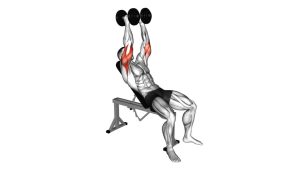
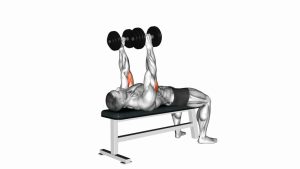
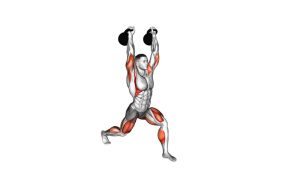
This exercise works best when you use a slow eccentric, a comfortable stretch, and a clean elbow extension path. In the video, the kettlebell travels behind the head while the upper arms stay relatively fixed, which is exactly what you want for better triceps isolation. Think of the movement as a controlled incline skull crusher with a kettlebell: the elbows move, the triceps do the work, and the shoulders stay quiet.
Quick Overview
| Body Part | Triceps |
|---|---|
| Primary Muscle | Triceps brachii (long head emphasized) |
| Secondary Muscle | Anconeus, forearm grip muscles, shoulder stabilizers |
| Equipment | Kettlebell, incline bench |
| Difficulty | Intermediate |
Sets & Reps (By Goal)
- Muscle growth: 3–4 sets × 8–12 reps with 60–90 seconds rest
- Strength-focused accessory work: 3–5 sets × 6–8 reps with 90–120 seconds rest
- Technique and control: 2–3 sets × 10–15 reps with a lighter kettlebell and slow tempo
- Finisher after pressing workout: 2–3 sets × 12–15 reps, stopping 1–2 reps before form breaks down
Progression rule: Add reps before adding load. Once you can control the stretch and finish every rep with steady lockout, increase the kettlebell weight gradually.
Setup / Starting Position
- Set the bench: Adjust an incline bench to a moderate incline, usually around 30–45 degrees.
- Sit and secure the kettlebell: Hold the kettlebell by the horns or handle with both hands, depending on comfort and control.
- Lie back on the bench: Keep your head, upper back, and hips supported with your feet planted firmly on the floor.
- Raise the kettlebell to the start: Extend the arms above the upper chest/forehead line with a slight backward arm angle.
- Brace lightly: Keep the ribs down, wrists neutral, and elbows pointed generally upward rather than flaring wide.
Tip: A moderate incline usually feels better than a very steep one because it gives you stretch without making the shoulder position unstable.
Execution (Step-by-Step)
- Start with steady arms: Hold the kettlebell above you with the upper arms mostly fixed and the elbows soft, not hyperextended.
- Lower under control: Bend the elbows and let the kettlebell travel backward and down behind your head.
- Keep the upper arms quiet: Do not let the shoulders roll forward or the elbows drift excessively outward.
- Reach a deep but safe stretch: Lower until you feel strong triceps tension without losing control or joint position.
- Extend the elbows: Drive the kettlebell back up by straightening the arms, keeping the path smooth and controlled.
- Finish the rep: Return to the top without swinging the kettlebell or turning the rep into a press.
Pro Tips & Common Mistakes
- Use a controlled descent: A 2–3 second lowering phase helps load the triceps and keeps the kettlebell stable.
- Don’t flare the elbows too much: Mild natural flare is fine, but excessive flare shifts tension away from clean triceps isolation.
- Don’t rush the bottom: The stretched position is where many lifters lose alignment, so stay patient there.
- Keep wrists neutral: Avoid letting the kettlebell pull your hands backward into an awkward wrist position.
- Choose the right incline: Too upright can make the movement awkward; too flat may reduce the overhead stretch feel.
- Don’t go too heavy too soon: This exercise rewards control more than ego loading.
- Stop short of pain: A strong stretch is good, but elbow pain is not.
FAQ
What muscles does the kettlebell incline triceps extension work?
It mainly trains the triceps brachii, with extra emphasis on the long head because of the incline and overhead-style arm position. Grip muscles and shoulder stabilizers also assist.
Is this better than a flat triceps extension?
Not always better, but it often gives a slightly different stretch and can feel more effective for the long head. It is a great variation if you want more range and a different resistance feel than standard lying extensions.
How heavy should I go?
Start with a kettlebell you can control for at least 8 clean reps. If the kettlebell wobbles, your elbows flare badly, or the bottom position feels unstable, go lighter.
Should the kettlebell go behind the head?
Yes, usually. Letting it move behind the head creates a deeper stretch for the triceps, but only lower as far as you can while keeping the rep controlled and pain-free.
Can beginners do this exercise?
Beginners can do it, but many will learn the pattern faster with a lighter kettlebell or a dumbbell variation first. Once elbow control improves, this incline kettlebell version becomes a strong arm-building option.
Recommended Equipment
- Cast Iron Kettlebell — the main tool for loading the exercise with a stable, compact grip
- Adjustable Kettlebell — useful when you want easy load progression without buying multiple kettlebells
- Adjustable Incline Weight Bench — essential for setting the incline angle that gives this exercise its unique stretch and arm path
- Weightlifting Gloves — can improve grip comfort and reduce slipping during controlled reps
- Elbow Sleeves — optional support for lifters who want extra warmth and comfort around the elbow joint
Tip: For this movement, the best upgrades are usually a solid adjustable bench and the right kettlebell weight. Accessories matter less than clean technique and controlled loading.