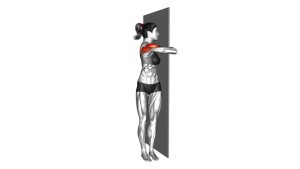
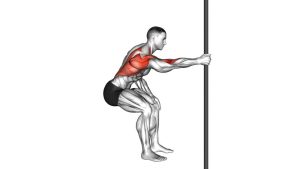
Assisted Standing Chest Stretch: Best Chest Opener for Posture, Shoulder Mobility & Tight Pec Relief
Learn the Assisted Standing Chest Stretch to open tight pecs, improve shoulder mobility, and reduce rounded-shoulder posture. Includes step-by-step form, hold times by goal, mistakes, FAQs, and optional gear.
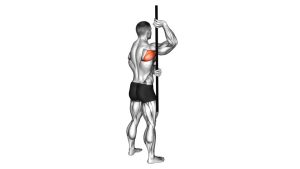
Assisted Standing Chest Stretch
This stretch should feel like a comfortable pull across the front of the chest and possibly the front of the shoulder—not sharp pain in the shoulder joint, tingling down the arm, or aggressive pinching. The best results come from calm breathing, good posture, and consistent practice.
Quick Overview
| Body Part | Chest |
|---|---|
| Primary Muscle | Pectoralis major (chest) |
| Secondary Muscle | Pectoralis minor, anterior deltoid, biceps (long head), anterior shoulder tissues |
| Equipment | None (optional: stretching strap/band, doorway anchor, towel) |
| Difficulty | Beginner (excellent for warm-ups, cooldowns, and posture routines) |
Sets & Holds (By Goal)
- Warm-up mobility (before training): 1–2 rounds × 20–30 sec hold (easy tension)
- Posture / desk reset: 2–3 rounds × 20–40 sec hold (slow breathing, 30–60 sec rest)
- Cooldown / flexibility focus: 2–4 rounds × 30–60 sec hold (mild stretch, no pain)
- Shoulder comfort / recovery days: 2–3 rounds × 20–30 sec hold (very gentle)
Progression rule: Increase breathing control and hold time first. Only increase range if your shoulders stay relaxed and your ribs don’t flare.
Setup / Starting Position
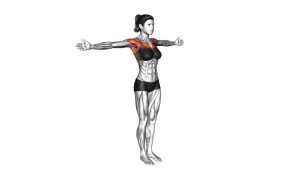
- Stand tall: Feet hip-to-shoulder width, knees soft, weight evenly distributed.
- Stack your ribs: Keep the ribcage down (avoid flaring) and brace lightly through the midsection.
- Shoulders relaxed: Let the shoulders sit down and back without aggressive squeezing.
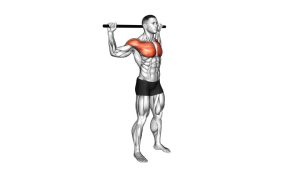
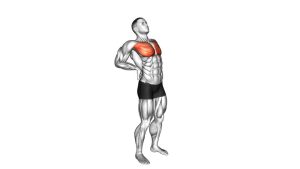
- Choose your assistance: Hands clasped behind you, a strap/towel, or a light band to guide the arms back.
- Neck neutral: Chin level, long spine—don’t crank the head back.
Tip: If you feel shoulder pinching, slightly bend the elbows and reduce how far the hands move behind you.
Execution (Step-by-Step)
- Set posture first: Stand tall with ribs stacked and shoulders relaxed.
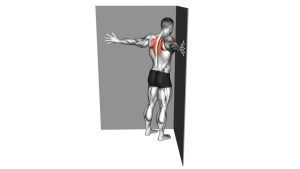
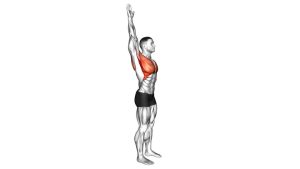
- Move arms slightly back: Gently guide the hands/arms behind the body (use the strap/band only as assistance).
- Open the chest: Think “collarbones wide” and “sternum up” without arching the low back.
- Hold and breathe: Inhale through the nose, exhale slowly; keep tension at a comfortable level.
- Return smoothly: Bring the arms back to neutral slowly—no bouncing or snapping out of the position.
Pro Tips & Common Mistakes
- Keep ribs down: Don’t turn it into a low-back arch—stacked posture improves the chest stretch.
- Shoulders stay low: Avoid shrugging toward the ears.
- Gentle assistance only: The strap/band guides position—don’t crank aggressively.
- Soften the elbows if needed: A slight bend can reduce shoulder stress while keeping pec stretch.
- Use slow exhalations: Long exhales often let you “melt” into the stretch safely.
- Don’t bounce: Static holds are safer and more effective for this type of opener.
FAQ
Where should I feel this stretch?
Most people feel it across the front of the chest and sometimes the front of the shoulder. If you feel sharp pinching inside the shoulder joint, reduce range, soften the elbows, and keep ribs stacked.
How long should I hold the stretch?
A good starting point is 20–40 seconds per round with calm breathing. For flexibility-focused cooldowns, you can build up to 60 seconds if it stays comfortable and controlled.
Can I do this every day?
Yes—many people can do this stretch daily if the intensity is mild. Treat it like posture hygiene: light tension, clean form, and consistent breathing.
What if I only feel it in my shoulders, not my chest?
Try a smaller range, keep the ribs down, and think “chest wide” rather than “arms far back.” Slightly bending the elbows and using a strap can shift the sensation toward the pecs.
Who should be cautious with this stretch?
If you have a recent shoulder injury, unstable shoulder history, or nerve-like symptoms (tingling/numbness down the arm), avoid forcing the position and consider professional guidance.
Recommended Equipment (Optional)
- Stretching Strap / Mobility Strap — makes the “assisted” position easier without overreaching
- Resistance Bands Set — light band assistance for controlled chest opening and shoulder prep
- Door Anchor for Bands — useful for safe mobility work and pairing stretches with band drills
- Foam Roller — complements chest opening with thoracic mobility and pec soft-tissue work
- Massage Ball / Peanut Ball — targets tight pec minor and front-shoulder tissues before stretching
Tip: Keep all tools light and supportive. If a tool increases pain or nerve-like symptoms, stop and reduce intensity.