Hyperextension on Bench: Proper Form, Benefits, Sets, Tips & FAQ
Learn how to do the Hyperextension on Bench with safe form, proper hip hinge technique, sets by goal, common mistakes, FAQs, and recommended equipment.
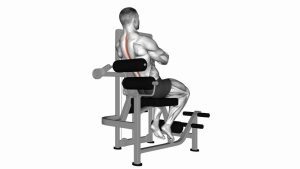
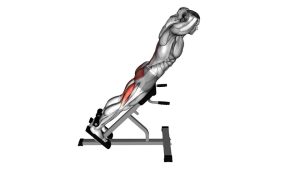
Hyperextension (on Bench)
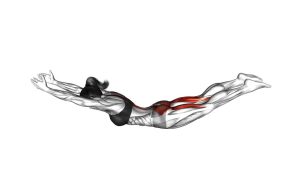
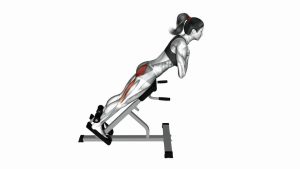
This exercise is valuable because it teaches your hips and spine to work together under control. In addition, it builds strength through the erector spinae while also training the glutes and hamstrings to extend the hips. Therefore, it can support better posture, stronger deadlift mechanics, and improved posterior-chain endurance.
However, quality matters more than range. A clean repetition should look smooth, stable, and deliberate. Your torso should lower through a comfortable hip hinge, and then your glutes should help lift you back to neutral. As a result, the lower back works as a strong stabilizer instead of being forced into excessive compression.
Quick Overview
| Body Part | Lower Back |
|---|---|
| Primary Muscle | Erector spinae |
| Secondary Muscle | Glutes, hamstrings, deep spinal stabilizers, and core |
| Equipment | Hyperextension bench / Roman chair |
| Difficulty | Beginner to intermediate, depending on range, tempo, and added resistance |
Sets & Reps (By Goal)
- Beginner technique practice: 2–3 sets × 8–12 reps with slow, controlled form.
- Lower-back endurance: 2–4 sets × 12–20 reps with a smooth tempo and short rest.
- Glute and hamstring focus: 3–4 sets × 10–15 reps while squeezing the glutes at the top.
- Strength progression: 3–5 sets × 6–10 reps using a light plate or dumbbell only after form is solid.
- Warm-up activation: 1–2 sets × 10–12 reps before deadlifts, squats, or hip-hinge workouts.
Progression rule: First improve control, range, and tempo. After that, add resistance gradually. If your lower back arches hard at the top, reduce the load immediately.
Setup / Starting Position
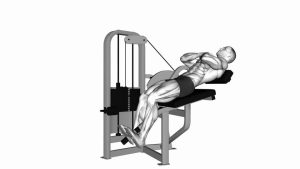
- Adjust the bench height: Set the pad so your hips can hinge freely. The pad should support the upper thighs or hip crease, not press into the stomach.
- Secure your feet: Place your ankles under the foot pads. Then press your feet firmly into the platform so your lower body stays stable.
- Align your hips: Position your hips at the edge of the pad. This allows the torso to move without the bench blocking the hinge.
- Set your torso: Start with your torso lowered in a comfortable forward angle. Keep your spine long rather than collapsed.
- Choose your arm position: Cross your arms over your chest for better control. Alternatively, place your hands lightly behind your head if you can avoid pulling on the neck.
- Brace lightly: Before moving, tighten your midsection just enough to keep the ribs and pelvis organized.
Tip: If you are new to this movement, use a shorter range first. Then, as your control improves, gradually lower your torso farther without rounding aggressively.
Execution (Step-by-Step)
- Start from the bottom position: Begin with your torso lowered and your hips flexed. Keep your neck neutral and your gaze slightly downward.
- Brace before lifting: Inhale gently, tighten your core, and keep your shoulders relaxed. This prepares your spine for a stable repetition.
- Drive through the hips: Lift your torso by extending your hips. Think about pushing your hips into the pad and squeezing your glutes.
- Rise to neutral: Continue upward until your body forms a straight line from shoulders to hips and legs. Do not lean far behind neutral.
- Pause briefly: Hold the top for a moment. During this pause, keep the glutes active and avoid jamming the lower back.
- Lower with control: Slowly hinge forward again. Let the hips flex while keeping the movement smooth and deliberate.
- Reset before the next rep: Once you reach the bottom, stay controlled. Then begin the next repetition without bouncing.
Pro Tips & Common Mistakes
- Think “hip extension,” not “back bending”: Although the lower back works hard, the hips should drive the movement.
- Stop at a straight line: Many people overarch at the top. Instead, finish when your torso, hips, and legs are aligned.
- Control the lowering phase: The eccentric portion builds strength and teaches control. Therefore, do not drop quickly into the bottom position.
- Keep your neck neutral: Avoid looking straight ahead at the top, because this often encourages neck extension.
- Do not swing: Momentum reduces muscle tension and increases stress on the lower back.
- Use the glutes at the top: Squeeze your glutes gently to finish the rep. As a result, your lower back does not need to overcompensate.
- Avoid heavy loading too soon: Before holding a plate or dumbbell, master bodyweight reps with perfect control.
- Match the range to your mobility: If your hamstrings feel tight or your back rounds sharply, shorten the range and move slower.
FAQ
What muscles does the Hyperextension on Bench work?
The exercise primarily works the erector spinae of the lower back. In addition, it trains the glutes, hamstrings, and deep core stabilizers. Because the movement uses hip extension, it is also useful for posterior-chain development.
Should I go above neutral at the top?
No. You should usually stop when your body forms a straight line. Going far beyond neutral can place unnecessary pressure on the lower back. Therefore, a controlled neutral finish is safer and more effective for most people.
Is this exercise good for lower-back strength?
Yes, it can be excellent for lower-back strength and endurance when performed correctly. However, the movement should feel controlled and muscular. If it feels like sharp spinal pressure, reduce the range or stop the set.
How can I make hyperextensions more glute-focused?
To make the exercise more glute-focused, slightly round the upper back only if comfortable, keep the ribs down, and think about driving the hips into the pad. Then squeeze the glutes at the top without arching the lower back.
Can beginners do the Hyperextension on Bench?
Yes, beginners can do it if they use a controlled range and avoid loading too early. Start with bodyweight reps, move slowly, and stop at neutral. Over time, you can increase reps, hold time, or resistance.
Is the Hyperextension on Bench the same as a back extension?
In most gym settings, the terms are used similarly. However, “back extension” often describes the general movement, while “hyperextension” commonly refers to the bench or Roman chair version. Despite the name, you do not need to hyperextend the spine.
Why do I feel this mostly in my hamstrings?
Feeling the hamstrings is normal because they assist hip extension. However, if they dominate completely, adjust your pad position, reduce range, and focus on glute engagement at the top.
Can I add weight to this exercise?
Yes, but only after your bodyweight form is consistent. Start with a light plate or dumbbell held close to the chest. Additionally, avoid adding weight if it causes swinging, overextension, or back discomfort.
Recommended Equipment
- Hyperextension Bench / Roman Chair — the main equipment for performing bench hyperextensions safely and comfortably.
- Adjustable Roman Chair — useful if you want better pad height control for different body sizes.
- Weight Plate with Handles — helpful for progressive overload once bodyweight reps become easy.
- Dumbbell Set — a simple way to add controlled resistance while keeping the load close to the chest.
- Exercise Mat for Home Gym — useful under the bench to improve floor grip and protect your training space.
Equipment tip: Choose a stable bench with secure ankle pads and firm hip support. A wobbly bench can make the exercise less safe and reduce movement control.