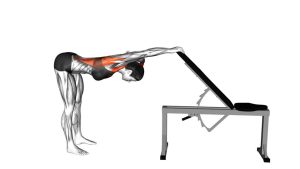
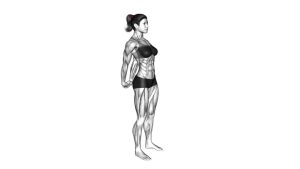
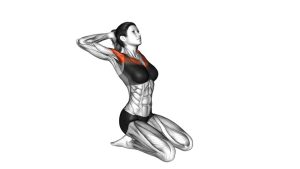
Assisted Pulling-Backs Chest Stretch: Partner Form, Benefits, Sets, Tips & FAQ
Learn the Assisted Pulling-Backs Chest Stretch (partner-assisted chest opener) to improve pec flexibility and posture. Step-by-step setup, safe execution cues, sets by goal, mistakes to avoid, FAQs, and optional equipment.
Assisted Pulling-Backs Chest Stretch
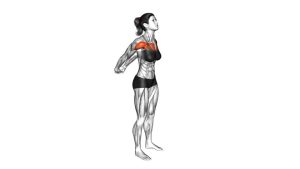
This stretch targets tight pecs that contribute to rounded shoulders and a “closed” chest posture. Because a partner can add range, the key is control: small increases in tension, steady breathing, and no bouncing. You should feel the stretch across the front of the chest and possibly the front shoulder, not in the elbow joint or a pinchy spot in the shoulder.
Quick Overview
| Body Part | Chest |
|---|---|
| Primary Muscle | Pectoralis major (pecs) |
| Secondary Muscle | Pectoralis minor, anterior deltoids, biceps (long head), front shoulder capsule |
| Equipment | Partner assistance (optional: strap/towel, foam roller, doorway/wall for alternatives) |
| Difficulty | Beginner (mobility-focused; range depends on comfort and partner control) |
Sets & Reps (By Goal)
- Warm-up (before pressing): 1–2 sets × 20–30 sec hold (easy tension, 30–45 sec rest)
- Post-workout cooldown: 2–4 sets × 30–60 sec hold (moderate tension, 45–75 sec rest)
- Posture / daily mobility: 2–3 sets × 30–45 sec hold (light-to-moderate tension)
- Desk-break “reset”: 1–2 holds × 15–30 sec (very light tension, focus on breathing)
Progression rule: Add 5–10 seconds per hold or a tiny increase in range first. Avoid forcing deeper range—better posture and consistent breathing beats max stretch intensity.
Setup / Starting Position
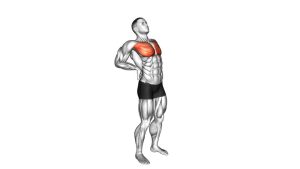
- Stand tall: Feet hip-width, knees soft, ribs stacked over pelvis (no big low-back arch).
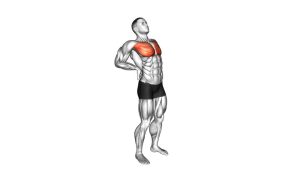
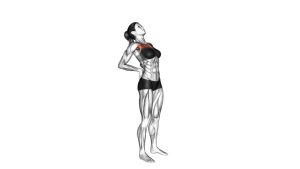
- Arm position: Bring your arms behind you with elbows straight or slightly bent—hands near the back pockets.
- Partner grip: Partner stands behind and grips your wrists or forearms evenly.
- Shoulders down: Relax traps; gently pull shoulder blades back and down.
- Agree on a signal: Use “more / hold / stop” so your partner knows your comfort limits.
Tip: If you’re tight, start with slight elbow bend and hands lower (closer to hips). Higher arms + straight elbows can intensify the front-shoulder stretch.
Execution (Step-by-Step)
- Set posture: Chin neutral, chest tall, ribs stacked. Inhale through the nose.
- Partner applies tension: Partner gently pulls your arms backward until you feel a clear chest stretch.
- Find the “sweet spot”: Strong but comfortable tension—no pinching in the shoulder joint.
- Hold & breathe: Maintain the position for 20–60 seconds, breathing slowly and relaxing the shoulders.
- Controlled release: Partner slowly reduces tension and returns your arms toward neutral (no sudden drop).
Pro Tips & Common Mistakes
- Go slow: Partner should increase range in tiny steps—not one big pull.
- Keep ribs stacked: Avoid “cheating” with a big low-back arch (it reduces the chest stretch quality).
- Shoulders down & back: Shrugging shifts stress away from the pecs and into the neck/traps.
- Don’t chase pain: Stretch discomfort is okay; sharp pain or pinching is not.
- Hands lower = safer: Lower arm angle usually feels better for people with sensitive shoulders.
- Pair smartly: Great after bench/push days, or paired with rows/face pulls for posture balance.
FAQ
Where should I feel this stretch?
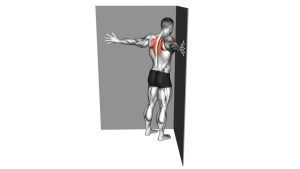
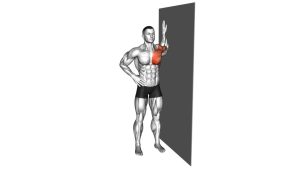
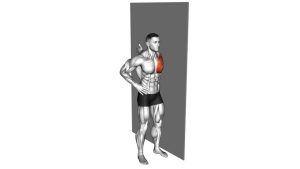
You should feel it across the front of the chest (pec major) and sometimes the front shoulder. If you feel a sharp pinch deep in the shoulder joint, reduce range, lower the hands, or switch to a gentler doorway chest stretch.
Should my elbows be straight or slightly bent?
Either works. Slight elbow bend often feels more comfortable and reduces strain on the front shoulder. Straight elbows can intensify the stretch—use them only if it stays smooth and pain-free.
How hard should my partner pull?
Light-to-moderate tension is best. The partner should pull until you reach a strong stretch that still allows relaxed breathing. Avoid forcing deeper range—progress by time and comfort, not intensity.
Is this good for rounded shoulders and posture?
Yes, it can help open the chest and reduce stiffness that contributes to shoulder rounding. For best results, combine it with upper-back strengthening (rows, face pulls, rear delt work) and frequent posture breaks.
Who should avoid or modify this stretch?
If you have shoulder instability, a history of dislocations, or ongoing nerve-like symptoms (tingling/numbness), use a smaller range or choose a solo version. When in doubt, get guidance from a qualified professional.
Recommended Equipment (Optional)
- Stretching Strap (Yoga Strap) — helps recreate a controlled chest opener without a partner
- Resistance Bands Set — great for band pull-aparts and posture work to complement chest opening
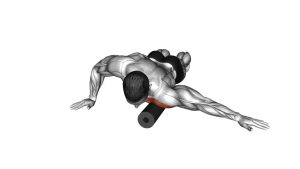
- Foam Roller — useful for thoracic extension + pec opening drills
- Massage Ball / Lacrosse Ball — spot-release tight pec minor and front shoulder tissues (gentle pressure)
- Posture Corrector (Light Reminder) — optional awareness tool; use lightly and don’t rely on it instead of training
Tip: The best “equipment” for this stretch is a patient progression. Keep tension moderate, breathe slowly, and build range over time.