Cobra Yoga Pose: Proper Form, Benefits, Sets, Tips & FAQ
Learn the Cobra Yoga Pose with safe form, step-by-step cues, benefits, sets by goal, common mistakes, FAQs, and recommended yoga equipment.
Cobra Yoga Pose
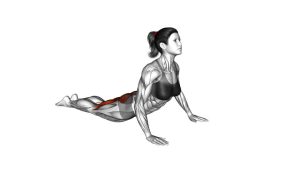
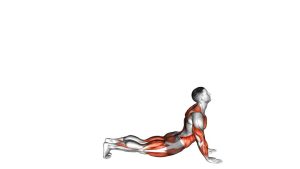
This exercise is useful for beginners because it teaches controlled extension without heavy loading. It can fit into a yoga flow, a mobility warm-up, a posture routine, or a gentle cool-down after core training. During the pose, the hands provide support, but they should not do all the work. A clean Cobra Pose feels active through the upper back, open across the chest, and stable through the hips.
The video shows a smooth prone setup followed by a gradual lift into extension. The lower body remains on the floor while the chest rises. The shoulders stay down instead of shrugging toward the ears. This makes the movement safer and more effective because the spine extends evenly instead of collapsing into the lower back.
Quick Overview
| Body Part | Back |
|---|---|
| Primary Muscle | Spinal erectors |
| Secondary Muscle | Glutes, lower trapezius, rhomboids, rear shoulders, chest, abdominals, hip flexors |
| Equipment | Bodyweight; yoga mat recommended |
| Difficulty | Beginner |
Sets & Reps (By Goal)
- Mobility warm-up: 2–3 sets of 6–10 slow reps with a 1–2 second pause at the top.
- Yoga flow practice: 3–6 controlled repetitions, usually paired with downward dog, child’s pose, or plank transitions.
- Posture and chest opening: 2–4 sets of 15–30 second holds with calm breathing.
- Beginner back extension control: 2–3 sets of 5–8 reps, using a small range of motion.
- Cool-down stretch: 1–3 holds of 20–40 seconds, keeping the effort gentle and relaxed.
Progression rule: Improve control before height. Add time, smoother breathing, or cleaner shoulder position before trying to lift the chest higher.
Setup / Starting Position
- Lie face down: Place your body in a prone position on a yoga mat. Keep your legs extended behind you.
- Set the feet: Point the toes back or keep the tops of the feet resting on the floor. Let the legs stay long and steady.
- Place the hands: Position your palms on the floor beside the lower ribs or under the shoulders.
- Bend the elbows: Keep the elbows close to your sides. Avoid letting them flare wide.
- Relax the shoulders: Draw the shoulders away from the ears before lifting.
- Prepare the spine: Lengthen through the crown of the head. Keep the neck neutral before the first lift.
- Brace lightly: Keep the pelvis grounded and lightly engage the glutes and lower abdomen for support.
A good setup makes the pose easier to control. If the hands start too far forward, the shoulders may shrug. If the hands start too far back, the lower back may feel compressed.
Execution (Step-by-Step)
- Start with an inhale: Take a smooth breath in while keeping your legs, pelvis, and lower ribs connected to the floor.
- Lift the head gently: Begin by lengthening the neck and raising the head slightly. Keep the gaze forward, not aggressively upward.
- Raise the chest: Let the chest peel away from the floor in a controlled way. Move slowly so the upper back contributes to the lift.
- Use the hands lightly: Press into the palms for support, but avoid pushing so hard that the lower back collapses.
- Keep elbows soft: Maintain a slight bend in the arms, especially if you are a beginner or have limited spinal mobility.
- Open the chest: Draw the shoulder blades gently back and down. Keep the collarbones broad.
- Hold the top position: Pause for 1–3 seconds or hold longer if your goal is mobility. Breathe calmly while keeping the spine long.
- Lower with control: Exhale and return the chest, ribs, and forehead toward the floor slowly.
- Reset before repeating: Relax briefly, then repeat the next rep with the same controlled rhythm.
Pro Tips & Common Mistakes
- Lift through the chest first: Think about moving the sternum forward and up instead of only bending the lower back.
- Keep the pelvis grounded: The hips should stay connected to the mat during the classic Cobra Pose.
- Avoid locking the elbows: Straight arms can turn the pose into an aggressive press-up. Keep a soft bend for better control.
- Do not throw the head back: Keep the neck long. A slight upward gaze is enough.
- Relax the shoulders: Pull the shoulders away from the ears so the upper traps do not dominate.
- Use a smaller range if needed: A low Cobra with clean alignment is better than a high Cobra with pain or compression.
- Breathe throughout the hold: Holding the breath often creates tension in the neck and lower back.
- Engage the legs lightly: Active legs help stabilize the pelvis and reduce uncontrolled movement.
- Avoid rushing reps: Fast repetitions reduce mobility benefits and make it harder to feel proper spinal extension.
- Pair with a counterpose: Child’s pose or a gentle knee-to-chest stretch can help balance the backbend.
FAQ
What muscles does the Cobra Yoga Pose work?
Cobra Pose mainly works the spinal erectors, which help extend the back. It also involves the glutes, upper-back muscles, rear shoulders, and deep stabilizers around the spine. The front of the body, especially the chest, abdominals, and hip flexors, receives a gentle stretch.
Is Cobra Pose good for posture?
Yes, it can support better posture when performed with control. The pose encourages chest opening, upper-back extension, and awareness of shoulder position. For stronger posture results, combine it with rows, face pulls, wall slides, and core stability work.
Should my arms be straight in Cobra Pose?
Not necessarily. Many beginners should keep the elbows slightly bent. Straight arms can be appropriate for some people, but only if the lower back stays comfortable and the chest remains lifted without shoulder shrugging.
Why do I feel Cobra Pose in my lower back?
Some lower-back sensation is normal because the spine is extending. However, sharp pain or pinching is not ideal. Use a smaller lift, keep the pelvis grounded, engage the legs lightly, and avoid pushing too hard with the hands.
Is Cobra Pose the same as Upward Facing Dog?
No. In Cobra Pose, the pelvis and legs usually stay on the floor. In Upward Facing Dog, the thighs and hips lift away from the floor while the arms support more body weight. Cobra is generally easier and more beginner-friendly.
How long should I hold Cobra Pose?
Beginners can hold it for 10–20 seconds. For mobility work, 20–40 seconds may be useful if the pose feels comfortable. For dynamic practice, use controlled repetitions with short pauses at the top.
Can I do Cobra Pose every day?
Many people can practice Cobra Pose daily at a low to moderate intensity. Keep the range comfortable and avoid forcing the backbend. If soreness or discomfort builds, reduce the frequency or shorten the hold time.
Recommended Equipment
- Non-Slip Yoga Mat — gives your hands, hips, and feet a stable surface during Cobra Pose.
- Yoga Blocks — useful for modified yoga flows and support work around backbend practice.
- Yoga Towel — helps reduce slipping if your hands sweat during longer sessions.
- Yoga Bolster Pillow — supports gentle chest-opening stretches before or after Cobra Pose.
- Foam Roller for Back Mobility — useful for thoracic mobility work that can improve backbend comfort.
Choose equipment that improves comfort and control. Do not use props to force a deeper backbend.