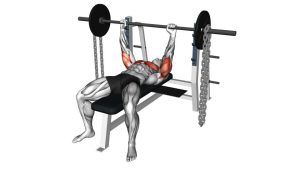
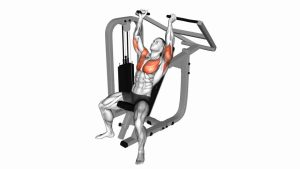
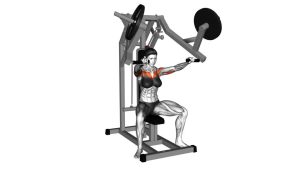
Lever Chest Press: Proper Form, Sets & Reps, Tips & FAQ (Plate-Loaded Machine)
Master the Lever Chest Press for chest size and pressing strength. Learn correct setup, step-by-step execution, sets & reps by goal, common mistakes, FAQs, and recommended equipment.
Lever Chest Press
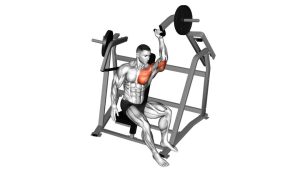
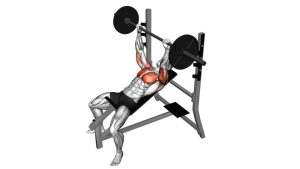
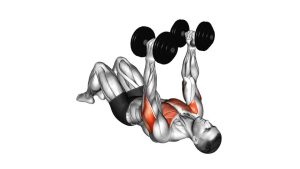
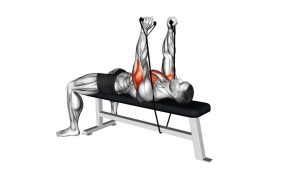
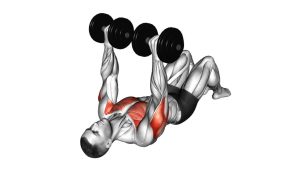
The lever chest press is perfect when you want a consistent pressing pattern with less setup complexity than free weights. It can be used as a primary compound press for chest-focused sessions or as a safer overload option after dumbbell/barbell work. Your goal: stable shoulder blades, neutral wrists, and a controlled stretch at the bottom—no bouncing.
Quick Overview
| Body Part | Chest |
|---|---|
| Primary Muscle | Pectoralis major (sternal fibers emphasis) |
| Secondary Muscle | Triceps brachii, anterior deltoids |
| Equipment | Plate-loaded lever chest press machine + weight plates |
| Difficulty | Beginner–Intermediate (easy to learn, progresses well with load and tempo) |
Sets & Reps (By Goal)
- Muscle growth (hypertrophy): 3–5 sets × 8–12 reps (60–90 sec rest)
- Strength focus: 4–6 sets × 4–8 reps (2–3 min rest)
- End-of-workout pump: 2–4 sets × 12–20 reps (45–75 sec rest)
- Beginner technique: 2–3 sets × 10–12 reps (controlled tempo, 60–90 sec rest)
Progression rule: Add reps first until you hit the top of the range with clean form, then increase the load slightly. Keep 1–3 reps in reserve on most sets.
Setup / Starting Position
- Adjust the seat: Set the height so the handles line up around mid-chest level when seated.
- Back on the pad: Sit tall with your upper back and hips fully supported.
- Feet planted: Place feet flat and slightly behind the knees for a stable base.
- Grip the handles: Neutral or slightly pronated grip depending on the machine—wrists straight.
- Set the shoulders: Pull shoulder blades gently back and down (no shrugging).
Tip: If the machine allows, choose a handle width that keeps elbows about 30–60° from your torso (not fully flared).
Execution (Step-by-Step)
- Start under control: Begin with elbows bent and chest tall. Brace lightly through the midsection.
- Press smoothly: Drive the handles forward and slightly inward (based on the machine path).
- Keep shoulders stable: Don’t let them roll forward as you press—stay “proud chest.”
- Stop short of a hard lockout: Keep a soft bend in the elbows to maintain chest tension.
- Lower with intent: Return slowly until you feel a controlled chest stretch—no bounce at the bottom.
Pro Tips & Common Mistakes
- Don’t flare aggressively: Excessive elbow flare can stress the front shoulder—keep a moderate angle.
- Avoid shrugging: If traps take over, reset shoulders down and back and lower the load.
- No bouncing: Control the bottom position—bounce reduces tension and increases joint stress.
- Keep wrists neutral: Bent wrists leak power and irritate joints—stack knuckles over forearms.
- Use full “safe” range: Get a stretch without letting shoulders roll forward or losing contact with the pad.
- Peak contraction matters: Light pause at the top (without locking out) improves chest engagement.
FAQ
Where should I feel the lever chest press?
You should feel most of the work in the chest, with assistance from the triceps and front shoulders. If you feel shoulder pinching, reduce the depth slightly and keep the shoulder blades set.
Is the lever chest press better than dumbbell or barbell press?
It’s not “better,” just different. The lever press is great for stable overload and chest-focused volume, while free weights demand more stability. Many lifters use both: free weights first, machine press after.
How deep should I lower the handles?
Lower until you feel a controlled stretch in the chest while keeping your shoulders down and back and your upper back on the pad. If your shoulders roll forward, you’ve gone too far.
Should I lock out at the top?
For hypertrophy, a soft lockout is usually best—stop just short of snapping the elbows straight so the chest stays under tension. For strength work, full lockout can be fine if pain-free and controlled.
How do I make it more chest-focused and less triceps?
Use a slightly wider grip if available, keep elbows moderately out, slow the eccentric, and stop short of lockout. Also think “bring the biceps toward the midline” as you press.
Recommended Equipment
- Olympic Weight Plates — essential for plate-loaded lever machines; choose iron or bumper plates
- Weightlifting Chalk (or Liquid Chalk) — improves grip and reduces slipping on machine handles
- Lifting Straps (Optional) — useful if grip fatigue limits your pressing sets
- Resistance Bands Set — great for warm-ups (band pull-aparts) and shoulder activation before pressing
- Wrist Wraps (Optional) — supports wrist alignment if you tend to bend wrists under heavy loads
Tip: For best pressing performance, warm up your shoulders with light rows, band pull-aparts, or face-pull-style work before heavy sets.