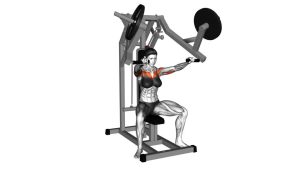
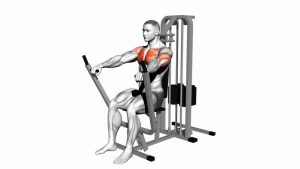
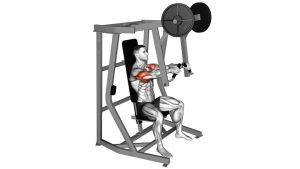
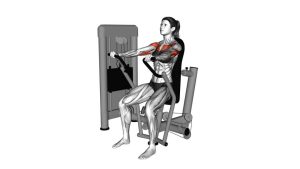
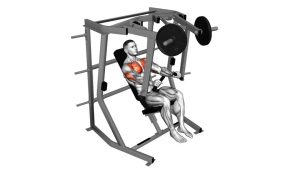
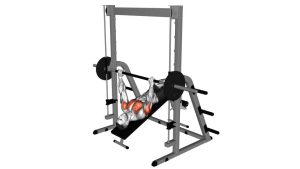
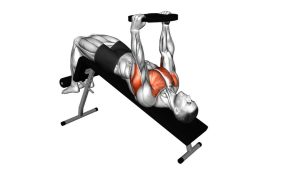
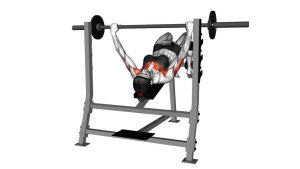
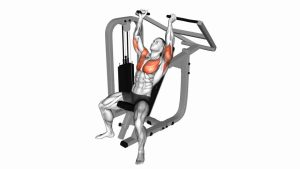
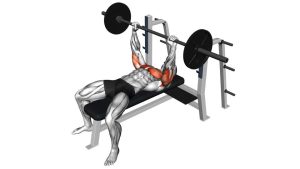
Lever Decline Chest Press: Proper Form, Sets & Reps, Tips (Plate-Loaded Machine)
Learn the Lever Decline Chest Press with perfect machine setup, step-by-step execution, sets & reps by goal, common mistakes, FAQs, and recommended equipment for lower-chest strength and hypertrophy.
Lever Decline Chest Press
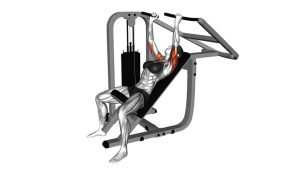
This movement shines when you maintain a strong base and consistent tension. Because the path is guided, your job is to keep the shoulders stable and let the pecs do the work—avoid turning it into a triceps-only press by locking out aggressively or letting the shoulders roll forward.
Quick Overview
| Body Part | Chest |
|---|---|
| Primary Muscle | Pectoralis major (sternal fibers / lower-chest emphasis) |
| Secondary Muscle | Triceps brachii; anterior deltoids (assistance); serratus/scapular stabilizers (support) |
| Equipment | Plate-loaded decline chest press machine (lever press) |
| Difficulty | Beginner–Intermediate (stable machine path, but setup + shoulder position matter) |
Sets & Reps (By Goal)
- Muscle growth (hypertrophy): 3–5 sets × 8–12 reps (60–90 sec rest)
- Strength focus: 4–6 sets × 4–8 reps (2–3 min rest)
- Chest pump / finisher: 2–4 sets × 12–20 reps (45–75 sec rest)
- Technique / control: 2–3 sets × 8–10 reps (slow tempo, perfect reps)
Progression rule: Add reps first (same load), then add small weight jumps. Keep the same depth and shoulder position—if range shortens or you start bouncing, the load is too heavy.
Setup / Starting Position
- Seat + back position: Sit fully back with your torso supported. Adjust the seat so the handles start near mid-to-lower chest level.
- Feet planted: Place feet flat on the platform (or floor if your machine uses the floor). Use leg drive only for stability—don’t thrust your hips.
- Scapula set: Pull shoulder blades back and down (retracted + depressed). Keep chest “proud.”
- Grip + wrist: Wrap the handles firmly. Keep wrists stacked (no bending back).
- Elbow path: Elbows slightly tucked (about 30–60° from the torso). Avoid flaring straight out.
Tip: If you feel the front of the shoulder at the bottom, shorten the depth slightly and re-check scapular position.
Execution (Step-by-Step)
- Brace lightly: Inhale, keep ribs controlled, and maintain your shoulder blades pinned to the pad.
- Press smoothly: Drive the handles forward along the lever path. Think “squeeze the chest”, not “slam the lockout.”
- Stay in control at the top: Stop just short of a hard lockout to keep tension on the pecs.
- Lower under control: Return slowly until you reach a deep but comfortable stretch—no bouncing off the bottom.
- Repeat with the same groove: Every rep should match the first: stable shoulders, steady tempo, consistent depth.
Pro Tips & Common Mistakes
- Keep scapula pinned: Shoulder blades back & down throughout—don’t reach forward at the top.
- Control the bottom: Avoid bouncing or letting the plates slam—this shifts stress to joints.
- Don’t over-tuck: Too much tuck turns it into a triceps press. Aim for a natural 30–60° elbow angle.
- Use a full, safe ROM: Deep stretch is good, but stop before shoulder discomfort or loss of position.
- Tempo for growth: 2–3 seconds down, 1 second up (smooth), optional 0–1 second pause at the stretch.
- Mind-muscle cue: Imagine pulling your upper arms toward the midline as you press (pecs drive the motion).
FAQ
What part of the chest does the decline press emphasize?
The decline angle typically increases emphasis on the sternal (lower) fibers of the pec major. You’ll still train the whole chest, but many lifters feel stronger lower-chest engagement compared to flat pressing.
Should I lock out my elbows at the top?
For hypertrophy, it’s usually better to stop just short of a hard lockout to keep constant tension on the chest. Locking out isn’t “wrong,” but snapping into lockout can shift work to the triceps and irritate elbows.
How deep should I lower the handles?
Lower until you reach a strong chest stretch without shoulder pain or losing scapular position. If shoulders roll forward or you feel pinching, shorten the depth slightly and re-set your shoulder blades.
Is the lever decline press good for beginners?
Yes. The guided path makes it easier to learn pressing mechanics and load the chest safely. Start light, prioritize smooth reps, and dial in seat position so the start feels comfortable.
How do I make it more chest-dominant and less triceps-dominant?
Use a controlled tempo, keep the chest “up,” avoid over-tucking, and don’t slam lockout. Focus on the pec squeeze and maintain tension through the mid-range.
Recommended Equipment
- Olympic Weight Plates (2-inch) — essential for loading plate-loaded lever press machines
- Training Gloves / Grip Gloves — helps comfort and grip on hard machine handles
- Liquid Chalk — improves handle grip without bulky gloves
- Gym Machine Strap / Stabilization Belt — optional tool for added torso stability on some press machines
- Resistance Bands Set — great for warm-ups (band pull-aparts) and chest activation before pressing
Tip: If you train heavy, prioritize stable footwear and controlled reps. The machine is safe—but only if you keep your shoulders locked in and avoid bouncing.