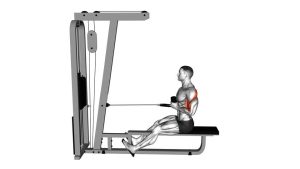
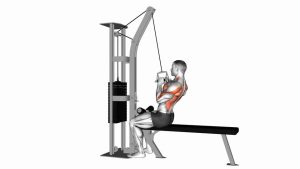
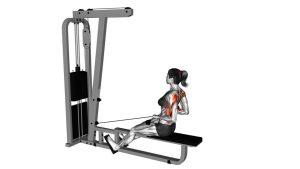
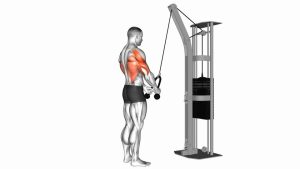
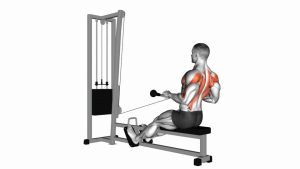
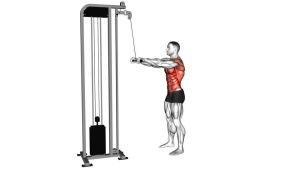
Cable Thibaudeau Kayak Row: Form, Back Muscles, Sets, Tips & FAQ
Learn the Cable Thibaudeau Kayak Row for lats, mid-back, core rotation, and rowing control. Includes setup, steps, mistakes, FAQs, and equipment.
Cable Thibaudeau Kayak Row
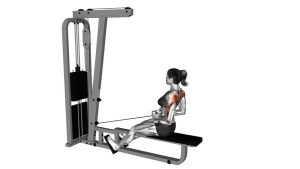
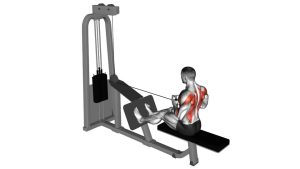
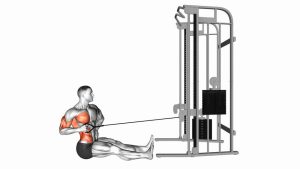
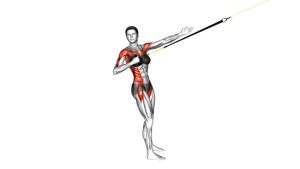
This exercise works best when the movement feels smooth, controlled, and athletic. The goal is not to twist aggressively or yank the cable with momentum. Instead, each rep should feel like a coordinated pull where one elbow drives back while the opposite arm reaches forward. Your torso rotates slightly with the pull, but your ribs, hips, and spine should remain controlled from start to finish.
The Cable Thibaudeau Kayak Row is especially useful for lifters who want a back exercise that trains more than simple pulling strength. It teaches the lats to work with the obliques, spinal stabilizers, scapular retractors, and grip muscles. Because the cable keeps tension on the body during both the pull and return, the exercise also challenges timing, posture, and muscular endurance.
Quick Overview
| Body Part | Back |
|---|---|
| Primary Muscle | Latissimus dorsi |
| Secondary Muscle | Rhomboids, middle traps, rear delts, biceps, obliques, spinal stabilizers |
| Equipment | Cable machine, low pulley, rope attachment or dual handles |
| Difficulty | Intermediate because it requires coordination, posture control, and rotational stability |
Sets & Reps (By Goal)
- Back muscle growth: 3–4 sets × 10–14 reps per side with a controlled squeeze on every pull.
- Lat activation: 2–3 sets × 12–16 total alternating reps using light-to-moderate resistance.
- Rotational core control: 3 sets × 8–12 reps per side with slower tempo and strict torso control.
- Back endurance finisher: 2–3 sets × 30–45 seconds of continuous alternating rows.
- Technique practice: 2 sets × 8–10 reps per side using a light load and a smooth rhythm.
Progression rule: Add reps first, then increase time under tension, and only increase weight when you can keep the torso rotation controlled. If the cable pulls your shoulders forward or your lower back starts twisting aggressively, the load is too heavy.
Setup / Starting Position
- Set the cable low: Attach a rope handle or two separate handles to a low pulley. The cable should pull from in front of you, close to floor level.
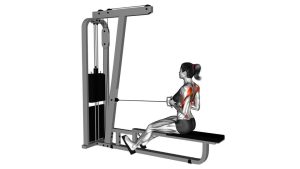
- Sit facing the machine: Sit on the floor, a low bench, or a stable seated position. Keep your feet planted or legs extended enough to create a solid base.
- Hold the handles firmly: Grip the rope or handles with both hands. Keep your arms extended forward without locking your elbows aggressively.
- Stack your posture: Keep your chest lifted, ribs controlled, shoulders down, and spine long. Avoid rounding your upper back before the first pull.
- Create light cable tension: Move far enough away from the pulley so the weight stack does not rest between reps. You should feel constant tension before you begin.
- Brace gently: Engage your core as if preparing for a controlled twist. Your hips should stay stable while your upper body rotates with control.
Setup matters. If you sit too close to the pulley, the cable may lose tension. If you sit too far away, the weight may pull your shoulders forward and make the exercise harder to control.
Execution (Step-by-Step)
- Start with both arms forward: Keep the handles in front of your torso. Let your shoulders reach slightly forward without collapsing your chest.
- Pull one elbow back: Drive one elbow toward your ribs or waist. Keep the elbow close to your body instead of flaring it wide.
- Rotate slightly toward the pulling side: Allow your torso to turn with the row. The rotation should be smooth and controlled, not forced from the lower back.
- Squeeze the working side: At the back of the pull, feel the lat and mid-back contract. Keep your shoulder down and avoid shrugging.
- Reach the opposite arm forward: As one side pulls, the other arm stays extended. This creates the kayak-style pattern and keeps tension across the upper body.
- Return under control: Let the pulling arm move forward slowly while your torso returns toward center. Do not let the cable snap your arm forward.
- Alternate to the other side: Pull the opposite elbow back and repeat the same rowing pattern. Keep the rhythm steady and controlled.
- Continue the flow: Move side to side like a slow, powerful kayak stroke. Each rep should feel connected, not rushed.
Pro Tips & Common Mistakes
Pro Tips
- Think “elbow to back pocket”: This cue helps you pull with the lat instead of only bending the elbow with the biceps.
- Keep the shoulder down: A depressed shoulder position improves lat engagement and reduces upper-trap dominance.
- Use a moderate tempo: Pull for about one second, pause briefly, then return under control. A rushed rhythm often turns the exercise into momentum.
- Let the torso rotate, but not collapse: A small controlled rotation is useful. A big uncontrolled twist reduces back tension and may stress the spine.
- Stay tall through the chest: A long spine makes the movement more effective and keeps the cable path cleaner.
- Use continuous tension: Do not let the weight stack touch down between reps. Smooth resistance is one of the biggest benefits of cable work.
Common Mistakes
- Using too much weight: Heavy loads often cause jerking, shoulder shrugging, and excessive trunk rotation.
- Turning it into a biceps exercise: If you only bend the elbow without pulling the shoulder blade back, the lats will not work as effectively.
- Over-rotating the lower back: Rotation should come with control through the torso. Do not whip your spine side to side.
- Letting the shoulders round forward: A collapsed chest makes it harder to retract the scapula and can reduce back activation.
- Losing the alternating rhythm: The exercise should look like a coordinated kayak stroke, not two disconnected single-arm rows.
- Pulling the handle too high: A high elbow path may shift tension toward the traps and rear delts. Pull closer to the ribs or waist for more lat emphasis.
FAQ
What muscles does the Cable Thibaudeau Kayak Row work?
The main target is the latissimus dorsi. It also works the rhomboids, middle traps, rear delts, biceps, obliques, and spinal stabilizers. Because the movement alternates from side to side, the core must help control rotation while the back performs the rowing action.
Is the Cable Thibaudeau Kayak Row a back exercise or a core exercise?
It is mainly a back exercise, but it has a strong core-control component. The lats and mid-back produce the pulling force, while the obliques and trunk stabilizers help manage the rotational pattern.
Should I use heavy weight on this exercise?
Use a moderate load that allows smooth alternating reps. Going too heavy usually causes momentum, poor shoulder position, and excessive twisting. This exercise is more effective when the cable stays controlled and the lats stay engaged.
Can beginners do the Cable Thibaudeau Kayak Row?
Beginners can learn it, but they should start light. A standard seated cable row or single-arm cable row may be easier first. Once basic rowing mechanics are solid, the kayak row becomes a useful progression for coordination and rotational control.
Where should I feel the exercise?
You should feel the working side lat, the mid-back near the shoulder blade, and some tension through the obliques. You should not feel sharp lower-back pain, shoulder pinching, or neck tension.
What attachment is best for this exercise?
A rope attachment works well because it allows a natural hand path and alternating motion. Dual D-handles can also work if your cable station allows them. Choose the attachment that lets you pull smoothly without wrist discomfort.
Recommended Equipment
- Cable Machine / Functional Trainer — the main equipment needed for consistent cable resistance and smooth rowing tension
- Tricep Rope Cable Attachment — useful for creating the kayak-style alternating pull with a natural hand position
- Cable D-Handles — good alternative for single-arm control and comfortable grip during rotational rows
- Exercise Floor Mat — improves comfort if performing the exercise seated on the floor
- Weightlifting Grips / Lifting Gloves — helps maintain grip during longer sets and cable endurance work
Equipment tip: A smooth pulley and a comfortable handle make this exercise easier to control. If the cable path feels rough or unstable, reduce the weight and focus on clean alternating reps.