Potty Squat Exercise: Proper Form, Benefits, Sets, Tips & FAQ
Learn the Potty Squat for better squat depth, leg strength, balance, and mobility with step-by-step form, sets, mistakes, FAQs, and equipment.
Potty Squat
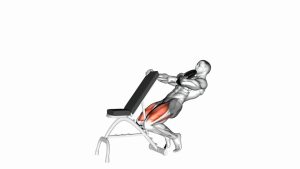
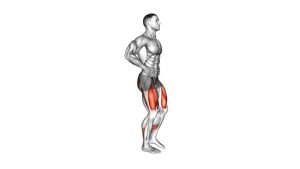
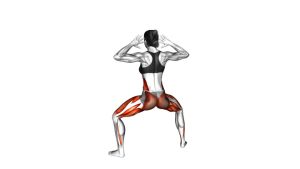
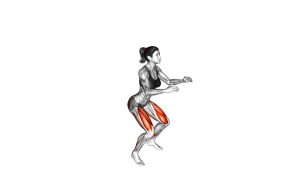
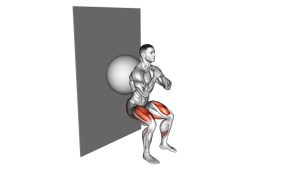
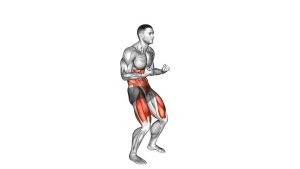
This exercise is useful for learning how to sit into a squat without rushing, bouncing, or collapsing through the knees. Because no external weight is required, the Potty Squat works well for beginners, home workouts, warm-ups, mobility routines, and basic strength practice. The goal is not to drop as low as possible. Instead, aim for a smooth controlled descent, stable knees, planted heels, and a strong return to standing.
Quick Overview
| Body Part | Legs |
|---|---|
| Primary Muscle | Quadriceps |
| Secondary Muscle | Glutes, hamstrings, calves, hip stabilizers, and core |
| Equipment | No equipment required |
| Difficulty | Beginner |
Sets & Reps (By Goal)
- Beginner technique practice: 2–3 sets of 8–12 reps with a slow controlled tempo.
- Lower-body strength endurance: 3–4 sets of 12–20 reps with 45–75 seconds of rest.
- Warm-up or mobility preparation: 1–2 sets of 8–10 smooth reps before leg training.
- Control and balance focus: 3 sets of 6–10 reps using a 3-second descent and steady return.
Progression rule: First improve depth, balance, and knee tracking. After your reps look clean, increase reps, slow the tempo, pause briefly near the bottom, or progress to loaded squat variations.
Setup / Starting Position
- Stand tall: Place your feet about shoulder-width apart with your toes slightly turned out if comfortable.
- Set your posture: Keep your chest lifted, spine neutral, and head facing forward.
- Brace lightly: Tighten your core enough to keep your torso stable without holding your breath.
- Prepare your arms: Start with the arms relaxed or out to the sides, then bring them forward as you squat.
- Ground your feet: Keep pressure through the heel, big toe, and little toe so the foot stays stable.
A stable starting position makes the full repetition easier. Before each rep, check that your feet are even, your shoulders are relaxed, and your knees are ready to track over your toes.
Execution (Step-by-Step)
- Begin the descent: Bend your knees and hips at the same time while sending your hips slightly back.
- Reach the arms forward: Extend your arms in front of your body to help balance the torso as you lower.
- Control the knees: Let the knees travel forward naturally, but keep them aligned with the toes.
- Lower to your clean depth: Squat until your thighs approach parallel or until your form starts to break.
- Pause briefly: Hold the bottom position for a moment without bouncing or relaxing the core.
- Drive upward: Push the floor away, extend the knees and hips together, and return to standing.
- Reset tall: Finish with the body upright, hips extended, and feet still fully planted.
Pro Tips & Common Mistakes
Pro Tips
- Use your arms as a counterbalance: Reaching forward helps you sit down with better control.
- Keep the whole foot connected: Do not let the heels lift or the arches collapse.
- Control the bottom: Pause softly instead of bouncing out of the squat.
- Match knees with toes: Your knees should travel in the same direction as your feet.
- Use a comfortable depth: Stop before your back rounds or your balance shifts too far forward.
Common Mistakes
- Knees collapsing inward: This reduces stability and can place extra stress on the knees.
- Heels lifting: This often means the depth is too aggressive or ankle mobility needs work.
- Rounding the lower back: Reduce depth and keep the chest more active.
- Dropping too fast: Fast reps remove control and make balance harder.
- Standing up with the hips first: Rise with the chest and hips together for cleaner mechanics.
FAQ
What muscles does the Potty Squat work?
The Potty Squat mainly works the quadriceps. It also trains the glutes, hamstrings, calves, hip stabilizers, and core because these muscles help control the descent, balance the body, and return you to standing.
Is the Potty Squat good for beginners?
Yes. It is a great beginner squat variation because it uses bodyweight only and allows you to focus on balance, depth, and knee tracking before adding resistance.
How deep should I go?
Go only as deep as you can while keeping your heels down, spine neutral, and knees aligned with your toes. For many beginners, stopping around parallel or slightly above parallel is enough.
Why do my heels lift during the squat?
Heel lift can happen because of limited ankle mobility, poor foot pressure, or excessive forward shifting. Try reducing the depth, slowing down, and keeping pressure through the full foot.
Can I use this exercise in a home workout?
Absolutely. The Potty Squat requires no equipment, so it fits well in home leg workouts, beginner routines, warm-ups, mobility sessions, and bodyweight conditioning circuits.
Recommended Equipment
- Exercise Mat — provides a comfortable non-slip surface for home squat practice.
- Resistance Bands for Legs — useful for teaching knee tracking and glute engagement during squat patterns.
- Squat Wedge / Slant Board — helps improve squat depth when ankle mobility is limited.
- Adjustable Dumbbells — ideal for progressing from bodyweight squats to goblet squats.
- Foam Roller — useful for warming up the quads, calves, and hips before lower-body training.
Choose equipment based on your goal. Beginners can start with only an exercise mat, while more advanced users can add bands, wedges, or dumbbells to improve control and progression.