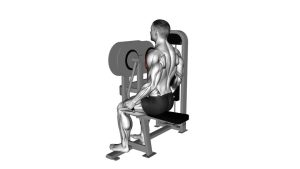
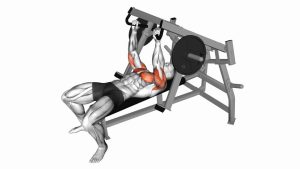
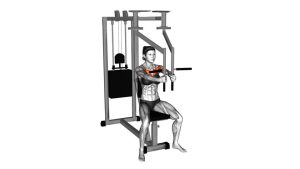
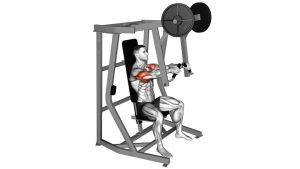
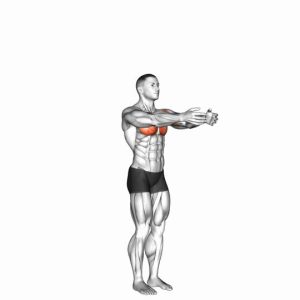
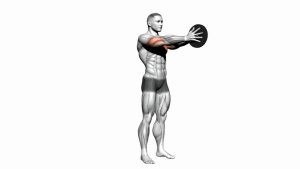
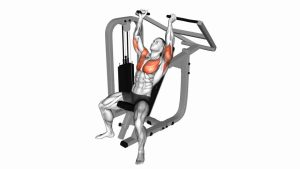
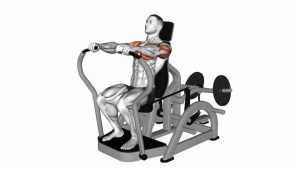
Lever Chest Press (Plate-Loaded): Form, Muscles Worked, Sets & Reps, Tips
Learn how to do the plate-loaded lever chest press with perfect form. Step-by-step setup, execution cues, sets & reps by goal, common mistakes, FAQs, and recommended equipment.
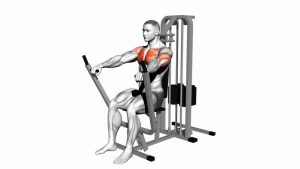
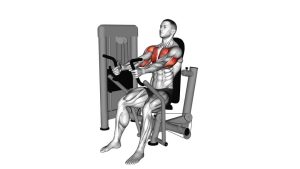
Lever Chest Press (Plate-Loaded Machine)
This exercise rewards consistent technique: keep your upper back anchored, maintain a neutral wrist, and press in a smooth arc. You should feel the chest doing most of the work, with triceps and front delts assisting. If you feel shoulder pinching, adjust seat height so the handles start around mid-chest and keep elbows slightly below shoulder level.
Quick Overview
| Body Part | Chest |
|---|---|
| Primary Muscle | Pectoralis major (sternal fibers emphasized) |
| Secondary Muscle | Triceps, anterior deltoids, scapular stabilizers |
| Equipment | Plate-loaded lever chest press machine + weight plates |
| Difficulty | Beginner–Intermediate (easy to learn, challenging to load) |
Sets & Reps (By Goal)
- Muscle growth (hypertrophy): 3–5 sets × 8–15 reps (60–90 sec rest)
- Strength focus: 3–6 sets × 4–8 reps (2–3 min rest)
- Endurance / pump finisher: 2–4 sets × 15–25 reps (45–75 sec rest)
- Beginner technique: 2–3 sets × 10–12 reps (slow tempo, 60–90 sec rest)
Progression rule: Add reps first until you hit the top of your target range, then increase load by the smallest plate jump. Keep all reps smooth—don’t “chase weight” with sloppy range.
Setup / Starting Position
- Adjust the seat: Set height so the handles start around mid-chest and your elbows are slightly below shoulder level.
- Plant your feet: Feet flat and stable for leg drive support (without lifting hips).
- Lock in your upper back: Pull shoulder blades back and down and keep the upper back against the pad.
- Grip and wrist position: Hold handles firmly with neutral wrists (no bending back).
- Brace lightly: Keep ribs controlled and torso steady—avoid excessive arching or rib flare.
Tip: If your shoulders feel stressed at the bottom, reduce depth slightly and keep elbows at a comfortable angle (don’t flare hard).
Execution (Step-by-Step)
- Start tight: Chest up, shoulders set, core braced. Begin with elbows bent and handles close to the chest line.
- Press smoothly: Drive the handles forward in the machine’s arc while keeping shoulders down and back.
- Control the top: Reach near full elbow extension without aggressive lockout. Keep tension on the chest.
- Lower under control: Return slowly until you reach a comfortable stretch—no bouncing off the stops.
- Repeat consistently: Keep the same tempo and range for every rep.
Pro Tips & Common Mistakes
- Seat height matters: Too low often turns it into a shoulder press; too high can stress shoulders.
- Don’t slam the bottom: Controlled eccentrics keep the chest loaded and protect the joints.
- Avoid extreme elbow flare: Slightly tucked elbows usually feel stronger and safer.
- Keep wrists stacked: Bent wrists leak force and can irritate joints.
- No shoulder roll-forward: Losing scapular position reduces chest tension and increases shoulder stress.
- Use full control before adding plates: Stable reps beat heavier, shaky reps for growth.
FAQ
What muscles does the lever chest press work?
The primary muscle is the pectoralis major. The triceps and anterior deltoids assist, while upper-back muscles stabilize the shoulder blades.
Is the plate-loaded chest press good for hypertrophy?
Yes. The stable machine path helps you push close to failure safely, making it excellent for 8–15 rep hypertrophy work with consistent tension.
Should I lock out at the top?
It’s fine to reach near full extension, but avoid an aggressive lockout if it shifts tension away from the chest. Keep the top controlled and maintain tension.
Why do my shoulders hurt on chest press machines?
Common causes are poor seat height, elbows flaring too hard, or shoulders rolling forward at the bottom. Adjust the seat so the handles start around mid-chest and keep scapulae set.
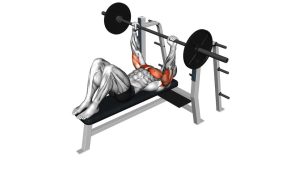
How does this compare to bench press?
The lever press is more stable and easier to load safely, especially near failure. Bench pressing demands more stabilization and technique, but both can build strength and size effectively.
Recommended Equipment (Optional)
- Olympic Weight Plates (2-inch) — for loading plate-loaded lever machines
- Weight Plate Storage Tree — keeps plates organized and close to your machine
- Lifting Straps — helpful if grip fatigue limits heavy pressing setups
- Training Gloves (Optional) — improves handle comfort and reduces hand irritation
- Gym Chalk / Liquid Chalk — keeps hands dry for a more secure grip
Tip: If your gym provides plates, you may only need comfort/grip items. Prioritize stable setup and controlled reps for best results.