Chest Dip on Straight Bar: Proper Form, Sets, Tips & FAQ (Chest Emphasis)
Learn the chest-focused straight-bar dip with step-by-step form cues, sets & reps by goal, common mistakes, FAQs, and recommended equipment to build lower chest safely.
Chest Dip on Straight Bar
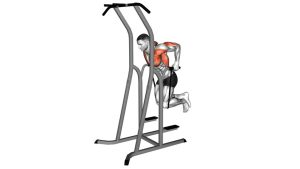
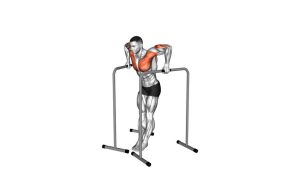
Straight-bar dips can be extremely effective for building the chest, but they reward positioning and control. The biggest difference between a chest dip and a triceps dip is your torso angle and elbow path. If you stay too upright and tuck your elbows hard, the triceps will dominate. To bias the chest, use a slight-to-moderate forward lean, allow a natural elbow flare, and keep the shoulders depressed (down away from the ears).
Quick Overview
| Body Part | Chest |
|---|---|
| Primary Muscle | Pectoralis major (lower/sternal fibers emphasis) |
| Secondary Muscle | Triceps, anterior deltoids, scapular stabilizers |
| Equipment | Straight dip bars / parallel bars (dip station) |
| Difficulty | Intermediate (advanced when weighted or performed in deeper ranges) |
Sets & Reps (By Goal)
- Hypertrophy (most people): 3–5 sets × 6–12 reps (60–120 sec rest)
- Strength focus: 4–6 sets × 3–6 reps (2–3 min rest, add weight if possible)
- Endurance / calisthenics volume: 2–4 sets × 10–20 reps (45–90 sec rest)
- Technique / shoulder-friendly re-intro: 2–3 sets × 5–8 reps (slow tempo, assisted if needed)
Progression rule: First increase reps with clean form, then add load (dip belt), then increase range of motion. Avoid progressing all three at once.
Setup / Starting Position
- Grip the bars: Hands slightly outside shoulder width on straight parallel bars. Neutral wrists.
- Lock in the shoulders: Press the bars down to set the shoulders down and back (no shrugging).
- Top position: Arms straight, chest lifted, ribs controlled (don’t over-arch).
- Chest bias: Bring feet slightly behind you and take a mild forward lean before lowering.
- Brace: Tight core and glutes so the body stays stable without swinging.
Tip: If you’re new to dips, start with a slightly smaller range of motion and build depth over time.
Execution (Step-by-Step)
- Begin the descent: Inhale, keep shoulders down, and bend the elbows to lower smoothly.
- Lean forward: Let the torso angle shift forward as you descend (this is the chest emphasis).
- Elbow path: Allow a natural flare—elbows travel out and back (not tucked hard to the ribs).
- Reach depth with control: Lower until you feel a strong chest stretch without shoulder pinching.
- Drive up: Exhale and press the bars down, bringing the body back to the top with a steady tempo.
- Finish strong: Lock out without shrugging, reset the shoulders, repeat.
Pro Tips & Common Mistakes
- Chest dip cue: “Chest forward, elbows out and back, shoulders down.”
- Control the eccentric: 2–3 seconds down builds more chest tension and keeps shoulders safer.
- Don’t bounce: No dropping into the bottom—own the stretch.
- Avoid shrugging: If shoulders rise toward your ears, stop and reset at the top.
- Depth is earned: Too deep too soon can irritate shoulders—build range gradually.
- Stop swinging: Keep legs quiet; tension should stay in the torso and upper body.
- Weighted dips: Add load only after you can do clean, stable sets in your target rep range.
FAQ
How do I make dips hit my chest more than my triceps?
Use a forward torso lean, allow a natural elbow flare, and lower under control into a comfortable stretch. Staying too upright and tucking elbows hard usually shifts emphasis to the triceps.
Where should I feel straight-bar chest dips?
Most people feel them in the lower/outer chest, plus triceps and front delts. You should also feel strong tension at the bottom stretch. Sharp shoulder pinching is a sign to reduce depth or adjust form.
Are dips bad for shoulders?
Dips can be shoulder-friendly when you build range slowly, keep the shoulders depressed, avoid bouncing, and stop short of painful positions. If your shoulders are sensitive, use assistance and a smaller range first.
Should I go as deep as possible?
Not automatically. Use the deepest range you can control without shoulder discomfort. Over time, you can gradually increase depth as mobility and strength improve.
How can I progress this exercise?
First add reps with clean form, then add load using a dip belt, then increase range of motion. You can also slow the lowering phase or add a brief pause at the bottom.
Recommended Equipment
- Dip Belt — best way to add weight for strength and hypertrophy progressions
- Dip Station / Parallel Bars — stable bars for clean reps (home or gym setup)
- Assistance Resistance Bands — reduces load so you can train full range with good control
- Weight Plates — used with a dip belt for progressive overload
- Gymnastic Rings — optional upgrade for advanced dip variations and deeper stabilization
Tip: If your shoulders are sensitive, start with assisted dips (bands) and build stability before adding load.