Dumbbell Alternating Floor Press: Form, Sets & Reps, Benefits, Tips (Chest)
Learn the Dumbbell Alternating Floor Press for chest strength and shoulder-friendly pressing. Step-by-step form cues, sets & reps by goal, common mistakes, FAQs, and recommended equipment.
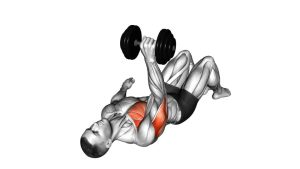
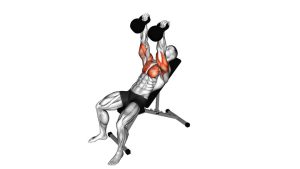
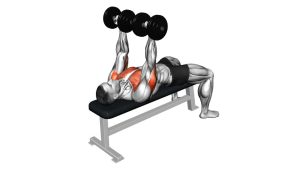
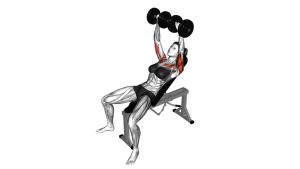
Dumbbell Alternating Floor Press
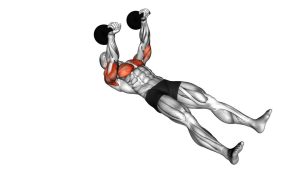
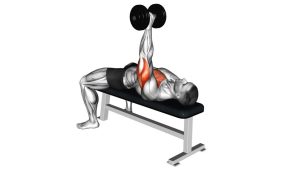
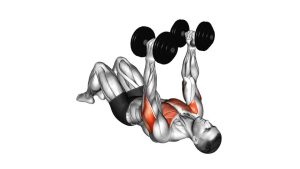
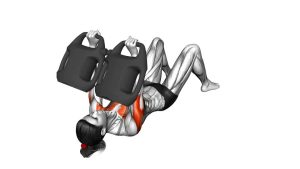
This lift rewards a steady torso and a clean dumbbell path. Think: ribs down, shoulder blades set, and press straight up over the shoulder. Lower until the triceps gently touch the floor, pause briefly, then drive back up—no bouncing.
Quick Overview
| Body Part | Chest |
|---|---|
| Primary Muscle | Pectoralis major (chest) |
| Secondary Muscle | Triceps, anterior deltoids, core stabilizers (anti-rotation) |
| Equipment | Dumbbells (optional: exercise mat) |
| Difficulty | Beginner–Intermediate (simple setup, higher stability demand than bilateral pressing) |
Sets & Reps (By Goal)
- Strength: 4–6 sets × 4–6 reps per side (2–3 min rest, controlled lowering)
- Hypertrophy (muscle gain): 3–5 sets × 8–12 reps per side (60–90 sec rest)
- Endurance / Conditioning: 2–4 sets × 12–20 reps per side (30–60 sec rest)
- Shoulder-friendly pressing volume: 3–4 sets × 6–10 reps per side (pause on the floor each rep)
Progression rule: Add reps first (keeping perfect torso control), then increase load. If your hips twist or the dumbbell path gets shaky, reduce weight and tighten your brace.
Setup / Starting Position
- Lie on the floor: Knees bent, feet flat. Use a mat if needed for comfort and grip.
- Start with dumbbells at chest level: Elbows bent ~90°, triceps lightly on the floor, forearms vertical.
- Set the shoulders: Pull shoulder blades gently back and down; keep the chest “proud” without over-arching.
- Brace the core: Ribs down, glutes lightly engaged—your torso should not rotate during reps.
- Pick a grip: Neutral-to-slightly-pronated is fine. Choose what feels best on your shoulders and wrists.
Tip: If the elbows flare wide, the shoulders often feel cranky. Aim for a slight tuck (about 30–45° from the torso).
Execution (Step-by-Step)
- Press one side: Drive the dumbbell up until the elbow reaches lockout over the shoulder.
- Hold the other arm steady: Keep the non-working dumbbell stable—don’t let it drift or wobble.
- Lower with control: Bring the working arm down until the triceps gently contact the floor. Pause briefly.
- Switch arms: Press the other dumbbell while keeping your torso square and braced.
- Repeat smoothly: Keep the tempo consistent and avoid bouncing off the floor for extra reps.
Pro Tips & Common Mistakes
- Press over the shoulder: Don’t let the dumbbell drift toward your face or far forward.
- Pause on the floor: A light pause removes momentum and builds real pressing strength.
- Don’t bounce: Slamming elbows into the floor stresses the joint and kills control.
- Keep ribs down: Avoid over-arching to “cheat” the lockout—brace instead.
- Elbows slightly tucked: Too much flare can irritate the shoulder; too much tuck turns it into more triceps.
- Match both sides: If one arm is weaker, start with that side and keep reps symmetrical.
FAQ
What’s the main benefit of doing this on the floor instead of a bench?
The floor limits the bottom range, which often feels more shoulder-friendly while still allowing strong chest and triceps work. It’s also great for building a consistent press path without relying on a deep stretch.
Should I keep the non-working arm locked out the whole time?
You can. Holding it stable increases the anti-rotation challenge. If that’s too hard, keep the non-working dumbbell at chest level (still controlled) and build up to the full “one up, one moving” style.
Is this more chest or triceps?
It’s primarily chest, but elbow tuck and range can shift emphasis. A moderate tuck (30–45°) and pressing “up and slightly inward” usually gives the best chest feel without stressing the shoulders.
What if my shoulders feel uncomfortable?
Reduce load, tuck elbows slightly more, and slow the lowering phase. Keep shoulders set (back and down) and avoid flaring. If pain persists, switch to a neutral grip and use lighter dumbbells.
Recommended Equipment (Optional)
- Adjustable Dumbbells — easiest way to progress load at home without buying many pairs
- Rubber Hex Dumbbells (Pairs) — stable on the floor and comfortable for repeated pressing sets
- Thick Exercise Mat — improves comfort for elbows/upper back and reduces slipping
- Wrist Wraps (Lifting) — helpful if wrists fatigue during heavier dumbbell pressing
- Dumbbell Rack / Stand — safer setup and cleaner storage for consistent training
Tip: If your goal is chest growth, pair this with a fly variation (cables/bands) for a fuller chest stimulus.