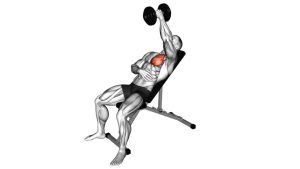
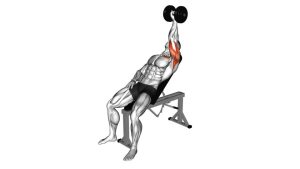
Dumbbell Alternating Floor Press: Form, Sets, Benefits & Tips (Chest + Triceps)
Learn the Dumbbell Alternating Floor Press for chest-focused strength with shoulder-friendly range of motion. Step-by-step form, sets by goal, common mistakes, FAQs, and recommended equipment.
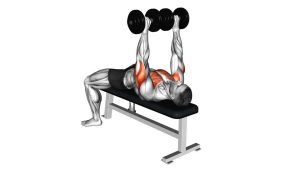
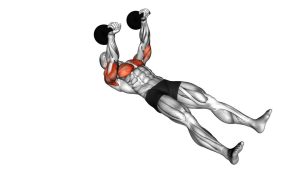
Dumbbell Alternating Floor Press
Expect the most work in the mid-range and lockout. You’ll feel the chest and triceps, with extra demand on the core because one arm stays down while the other presses. Keep the motion smooth—touch the elbows to the floor gently and avoid bouncing.
Quick Overview
| Body Part | Chest |
|---|---|
| Primary Muscle | Pectoralis major (chest) |
| Secondary Muscle | Triceps, anterior deltoids, core stabilizers (anti-rotation) |
| Equipment | Dumbbells, floor space (optional: exercise mat) |
| Difficulty | Beginner to Intermediate (easy to learn, hard to overload safely) |
Sets & Reps (By Goal)
- Strength: 4–6 sets × 3–6 reps/side (rest 90–150 sec)
- Hypertrophy (muscle growth): 3–5 sets × 8–12 reps/side (rest 60–90 sec)
- Endurance / conditioning: 2–4 sets × 12–20 reps/side (rest 45–75 sec)
- Beginner technique: 2–3 sets × 6–10 reps/side (slow tempo, rest 60–90 sec)
Progression rule: Add reps first while keeping perfect control. When you hit the top of the rep range on both sides, increase dumbbell load slightly or slow the lowering phase to 2–3 seconds.
Setup / Starting Position
- Lie on the floor: Knees bent, feet flat, spine neutral (avoid excessive arching).
- Set the dumbbells: Hold one dumbbell in each hand, elbows bent, upper arms resting on the floor.
- Stack your joints: Wrists neutral, forearms vertical, dumbbells aligned over the elbows.
- Brace your core: Tighten abs and glutes lightly to prevent twisting during alternating reps.
- Shoulders “packed”: Think shoulder blades slightly back and down—stable but not forced.
Tip: A mat improves comfort and helps you stay stable without sliding.
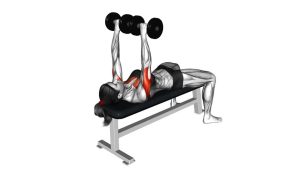
Execution (Step-by-Step)
- Start with both dumbbells down: Elbows on the floor, chest proud, wrists stacked.
- Press one side: Drive the dumbbell up until the arm is nearly straight over the shoulder.
- Stay square: Keep ribs down and hips level—don’t rotate as you press.
- Lower with control: Bring the dumbbell down until the elbow gently touches the floor (no bounce).
- Switch arms: Press the other side while the non-working arm stays down and stable.
Pro Tips & Common Mistakes
- Control the descent: A 2–3 second lowering phase builds strength and protects the shoulder.
- Elbows not flared: Keep elbows about 30–45° from the torso for a chest-friendly press path.
- No bouncing: Touch the floor lightly—bouncing reduces tension and irritates joints.
- Don’t twist: Alternating reps can cause rotation; brace abs and keep hips square.
- Neutral wrists: Don’t let wrists bend back—stack the dumbbell over your forearm.
- Match reps per side: Start with your weaker side first and stop when form breaks.
FAQ
Is the dumbbell floor press good for shoulders?
Often, yes. The floor limits how deep your elbows can drop, which reduces shoulder extension compared to a bench press. It can be a solid option if deep pressing causes discomfort—just keep the elbows slightly tucked and avoid bouncing.
Should I alternate reps or do one arm at a time?
Alternating reps add a stability challenge and can help balance left/right strength. If you want maximum focus on one side, you can complete all reps on one arm first, then switch.
Where should I feel it?
Primarily in the chest and triceps, with some front-shoulder involvement. You’ll also feel your core working to resist rotation when pressing one side at a time.
What if the dumbbells feel unstable at the top?
Reduce the load, slow the movement, and focus on stacking the wrist over the elbow and shoulder. A controlled tempo and a firm grip improve stability quickly.
Can I do this at home without a bench?
Yes—this is one of the best chest pressing options for home workouts. You only need dumbbells and enough floor space to lie down safely.
Recommended Equipment
- Adjustable Dumbbells Set — easy load progression without needing multiple pairs
- Thick Exercise Mat — improves comfort for elbows, shoulders, and spine on the floor
- Dumbbell Grip Handles / Fat Grips — increases grip demand and helps keep wrists neutral
- Training Gloves (Optional) — helps comfort and grip if hands fatigue early
- Foam Roller — useful for quick warm-ups (upper back) before pressing
Tip: Choose dumbbells that let you keep every rep smooth and controlled—especially the lowering phase and elbow touch on the floor.