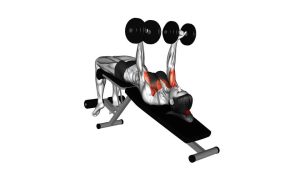
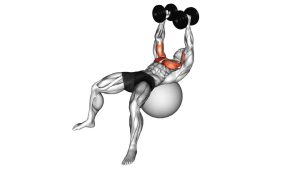
High Dumbbell Fly (Chest Focus): Form, Sets & Reps, Tips, FAQs
Learn the High Dumbbell Fly for chest isolation and upper-body control. Step-by-step form cues, sets & reps by goal, common mistakes, FAQs, and recommended equipment.
High Dumbbell Fly (Chest Focus)
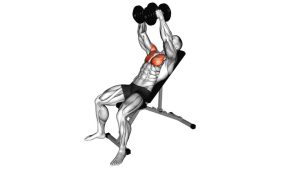
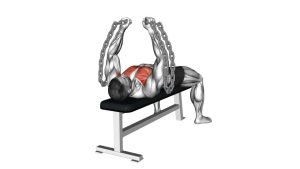
Think of this exercise as chest isolation with posture. The goal is smooth tension through the pecs, not heavy loading. Use dumbbells you can control without swinging, shrugging, or bending the elbows more as you fatigue. You should feel the chest doing most of the work while the shoulders stay stable.
Quick Overview
| Body Part | Chest |
|---|---|
| Primary Muscle | Pectoralis major (upper & mid chest emphasis) |
| Secondary Muscle | Anterior deltoids, biceps (stability), serratus anterior & scapular stabilizers |
| Equipment | Dumbbells (optional: bench for support, wrist wraps) |
| Difficulty | Beginner–Intermediate (easy to learn; best with strict control) |
Sets & Reps (By Goal)
- Muscle gain (hypertrophy): 3–5 sets × 10–15 reps (60–90 sec rest, controlled tempo)
- Strength support / technique: 3–4 sets × 8–12 reps (75–120 sec rest, strict form)
- Chest pump finisher: 2–3 sets × 15–25 reps (30–60 sec rest, light weight)
- Shoulder-friendly chest work: 2–4 sets × 12–20 reps (keep range pain-free, slow negatives)
Progression rule: Add reps first (stay clean), then add small weight jumps. If you start swinging or “pressing” the fly up, the weight is too heavy.
Setup / Starting Position
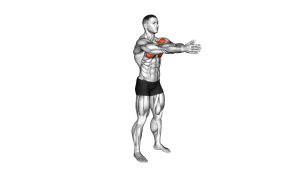
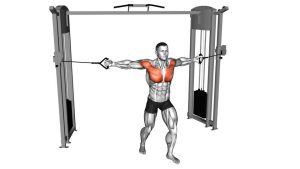
- Stand stable: Feet shoulder-width, knees soft, glutes lightly engaged.
- Brace: Ribs down, core tight, chest tall—no excessive lower-back arch.
- Set shoulders: Pull shoulder blades slightly down and back (avoid shrugging).
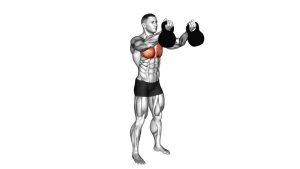
- Arm position: Hold dumbbells out to the sides and slightly forward at upper-chest to shoulder height.
- Elbow angle: Keep a soft bend and keep that bend consistent the whole set.
Tip: Choose a load you can move with no body sway. This exercise rewards control more than weight.
Execution (Step-by-Step)
- Start under tension: Arms open with a soft elbow bend, chest lifted, shoulders stable.
- “Hug” inward: Bring the dumbbells up and in along a wide arc toward the upper chest line.
- Keep elbows fixed: Don’t turn it into a curl or press—your elbow angle stays nearly the same.
- Squeeze the chest: Stop just short of clanking dumbbells together; hold 1 second.
- Control the return: Open the arms back out slowly until you feel a comfortable chest stretch.
- Repeat smoothly: Maintain posture and tempo; stop 1–2 reps before form breaks.
Pro Tips & Common Mistakes
Pro Tips
- Use a “soft lock” elbow: Slight bend, consistent angle, chest does the moving.
- Think wide arc: Hands travel like you’re hugging a big barrel—smooth and controlled.
- Slow eccentric: 2–4 seconds on the way down usually increases chest stimulus.
- Stay tall: Chest up, ribs down, no sway—keep tension where you want it.
- Stop short of pain: Use a range that feels like a chest stretch, not shoulder pinching.
Common Mistakes
- Turning it into a press: If your elbows tuck and you “push,” reduce load and refocus on the arc.
- Over-bending elbows: Excessive elbow flexion shifts stress away from the pecs.
- Shrugging up: Shoulder elevation reduces stability and can irritate the front shoulder.
- Dropping too low: Letting arms drift behind the body often causes shoulder discomfort.
- Swinging: Momentum = less chest work. Choose a weight you can own.
FAQ
Where should I feel the High Dumbbell Fly?
Mainly across the chest—especially the upper-to-mid pec region—along with some stabilizing work in the front shoulders. If you feel sharp front-shoulder pinching, shorten range and keep your shoulders down and back.
Is this better than a bench dumbbell fly?
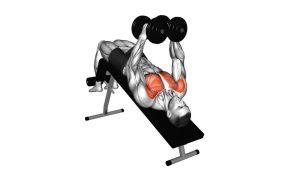
They’re different. Standing high flies are great for control, posture, and lighter isolation. Bench flies can allow more stretch and loading, but may irritate shoulders if form or range is poor.
How heavy should I go?
Use a weight that lets you keep a smooth arc with no swinging and a consistent elbow bend. If you can’t control the lowering phase, it’s too heavy.
How do I make it more chest-focused and less shoulder-focused?
Keep the arms slightly in front of your torso (don’t drift behind), maintain shoulder blades gently down/back, and think “chest squeezes the arms together.” A slower eccentric also helps.
When should I place this in my workout?
Most people do best using it as a secondary movement after presses, or as a finisher for high-rep chest pump work.
Recommended Equipment (Amazon)
- Adjustable Dumbbells — space-saving way to load flies with small increments
- Neoprene Dumbbell Set (Light–Medium) — ideal for strict form and higher-rep pump work
- Resistance Bands Set — great for chest activation warm-ups and accessory fly variations
- Wrist Wraps (Weightlifting) — optional support if wrists fatigue during longer sets
- Adjustable Weight Bench — helpful if you want to progress into incline/flat dumbbell fly variations
Tip: Choose equipment that helps you keep reps smooth, controlled, and pain-free. For flies, lighter loads done well beat heavy loads done sloppy.