Dumbbell Floor Hammer Press: Form, Sets, Tips & FAQ
Learn the dumbbell floor hammer press (neutral-grip floor press) for chest strength with shoulder-friendly range of motion. Step-by-step form, sets by goal, mistakes, FAQs, and gear.
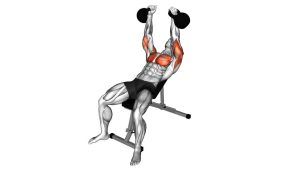
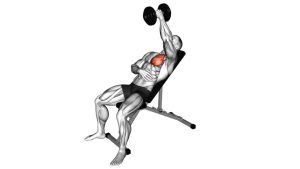
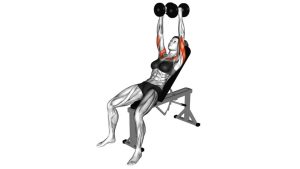
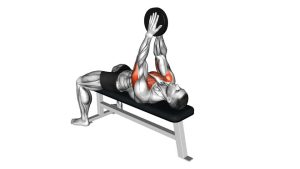
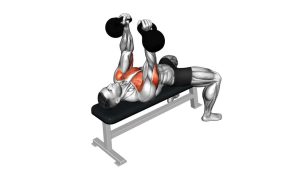
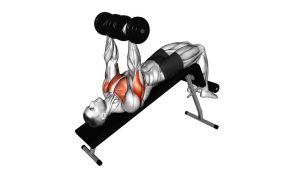
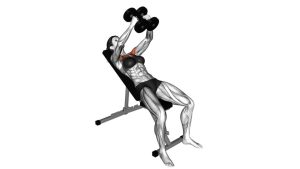
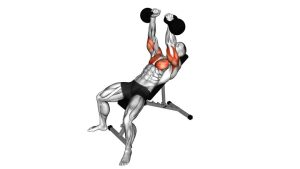
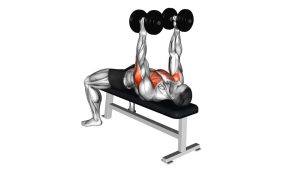
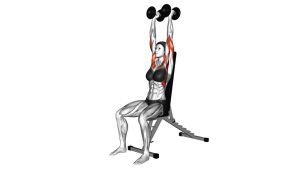
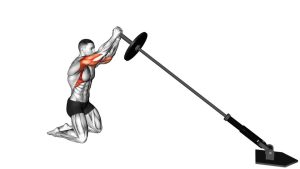
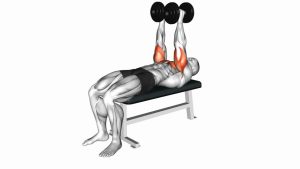
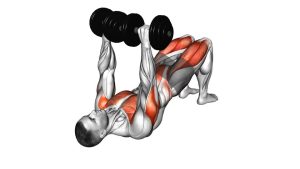
Dumbbell Lying-on-Floor Hammer Press
This is a great option if you train at home, want a clean pressing pattern, or feel shoulder discomfort when your elbows drop too deep on a bench. Keep your wrists stacked, elbows slightly tucked, and press with smooth control—no bouncing off the floor.
Quick Overview
| Body Part | Chest |
|---|---|
| Primary Muscle | Pectoralis major (chest) |
| Secondary Muscle | Triceps; anterior deltoids; forearms (grip stabilization) |
| Equipment | Dumbbells + floor space (optional: exercise mat) |
| Difficulty | Beginner to Intermediate (form-dependent) |
Sets & Reps (By Goal)
- Strength focus: 4–6 sets × 3–6 reps (2–3 min rest, controlled pause on the floor)
- Hypertrophy (muscle growth): 3–5 sets × 8–12 reps (60–90 sec rest, steady tempo)
- Endurance / pump: 2–4 sets × 12–20 reps (45–75 sec rest, strict form)
- Shoulder-friendly pressing: 3–4 sets × 6–10 reps (light pause on floor each rep)
Progression rule: Add reps first (until the top of your range), then increase load. If your elbows flare or wrists bend back, reduce weight and rebuild clean reps.
Setup / Starting Position
- Lie on the floor: Knees bent, feet flat for stability. Use a mat if needed.
- Neutral grip: Hold dumbbells with palms facing each other (hammer position).
- Upper arms grounded: Elbows bent and lightly resting on the floor near your sides (not flared wide).
- Stack the joints: Wrists over elbows; forearms mostly vertical.
- Brace: Ribs down, core tight, shoulders “packed” (down and stable).
Tip: Start with slightly lighter dumbbells than your regular bench press—floor pressing is often more triceps-heavy and strict.
Execution (Step-by-Step)
- Set tension: Inhale, brace, and keep shoulder blades stable against the floor.
- Press up: Drive both dumbbells upward until arms are nearly straight. Keep palms facing each other.
- Control the top: Don’t slam into lockout—finish strong with a slight soft elbow.
- Lower slowly: Bring the dumbbells down under control until elbows touch the floor.
- Pause & repeat: Brief pause on the floor (no bounce), then press into the next rep.
Pro Tips & Common Mistakes
- Keep wrists stacked: Avoid bending wrists back—think “knuckles to the ceiling.”
- Pause on the floor: Light pause improves control and removes momentum.
- Elbows slightly tucked: Too wide can irritate shoulders; too tucked can become mostly triceps.
- Press straight up: Don’t let dumbbells drift toward your face or down toward your stomach.
- No bounce: Don’t slam elbows into the floor—touch gently, then press.
- Brace the core: Prevent excessive arching; keep ribs down and body stable.
FAQ
What’s the benefit of a hammer (neutral) grip?
A neutral grip often feels more comfortable on the shoulders and can improve pressing stability. It also shifts some demand to the triceps while still training the chest hard.
Is the floor press as effective as a bench press?
It’s highly effective for strength and muscle, but the range of motion is shorter than a full bench press. Many lifters use it to train pressing power, control, and shoulder-friendly volume.
Where should I feel it?
Mainly in the chest and triceps. If you feel mostly shoulders, reduce load, tuck elbows slightly, and keep forearms more vertical throughout the rep.
Should I touch the dumbbells together at the top?
Not necessary. Focus on a stable lockout and controlled descent. If touching makes you lose shoulder position, keep a small gap between dumbbells.
How can I make it harder without heavier dumbbells?
Add a 1–2 second pause on the floor, slow the lowering phase (3–4 seconds), increase reps, or use unilateral (one-arm) floor presses for added core and stability demand.
Recommended Equipment
- Adjustable Dumbbells — space-saving way to progress load for presses
- Rubber Hex Dumbbells — stable on the floor and durable for home training
- Extra-Thick Exercise Mat — improves comfort for elbows/upper arms on the floor
- Weightlifting Wrist Wraps — supports wrist stacking for heavier pressing
- Dumbbell Rack / Stand — keeps your setup tidy and reduces trip hazards
Tip: Choose dumbbells you can control smoothly. Good reps beat heavy reps—especially when pressing from the floor.