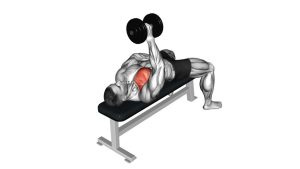
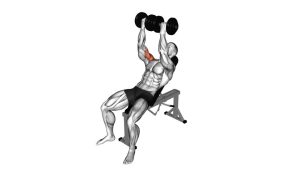
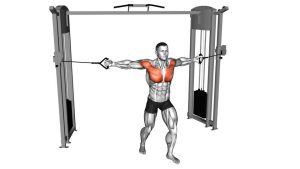
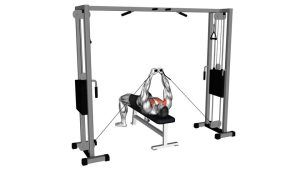
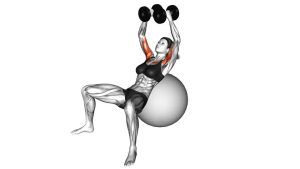
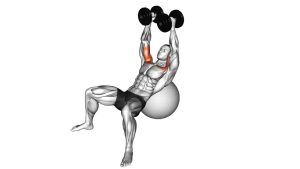
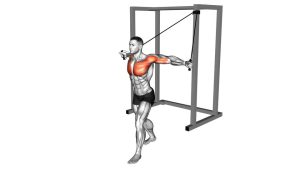
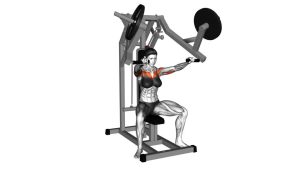
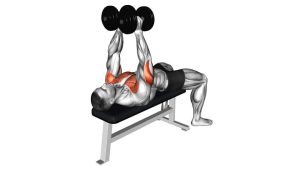
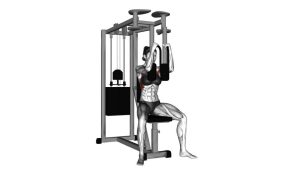
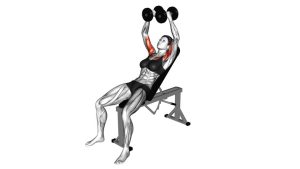
Lever Crossovers (Machine Chest Fly): Form, Muscles Worked, Sets & Reps, Tips + FAQs
Master Lever Crossovers (machine chest fly) to build your chest safely with constant tension. Learn setup, step-by-step execution, sets & reps by goal, common mistakes, FAQs, and recommended equipment.
Lever Crossovers (Machine Chest Fly)
This exercise is all about control: stable torso, shoulders down, and a consistent elbow angle. Done well, it targets the chest with minimal joint stress and makes an excellent accessory lift or finisher after pressing.
Quick Overview
| Body Part | Chest |
|---|---|
| Primary Muscle | Pectoralis major (chest) |
| Secondary Muscle | Anterior deltoids; biceps (stabilization); serratus anterior |
| Equipment | Lever chest fly / plate-loaded fly machine (or selectorized equivalent) |
| Difficulty | Beginner–Intermediate (machine-guided, but form-dependent) |
Sets & Reps (By Goal)
- Muscle growth (hypertrophy): 3–5 sets × 8–15 reps (60–90 sec rest)
- Strength emphasis (controlled): 3–4 sets × 6–10 reps (90–120 sec rest)
- Chest finisher / pump: 2–4 sets × 12–20 reps (45–75 sec rest)
- Technique & control: 2–3 sets × 10–12 reps (slow eccentric, light–moderate load)
Progression rule: Add reps first while keeping the same smooth arc and a slow return. Increase load only when your shoulders stay comfortable and your torso stays still.
Setup / Starting Position
- Adjust the seat: Set handle height around mid-chest so the movement feels natural and pain-free.
- Set your torso: Sit tall with your back on the pad, ribs down, and feet planted.
- Shoulders “packed”: Think down and slightly back—no shrugging.
- Soft elbows: Keep a small bend and lock it in. Don’t turn this into a press.
- Start under control: Begin with tension—avoid letting the weight yank you into the stretch.
Tip: If your shoulders feel cranky, reduce range slightly and keep the elbows a touch more forward (not flared way back).
Execution (Step-by-Step)
- Brace and breathe: Keep your torso still, chest up, and neck relaxed.
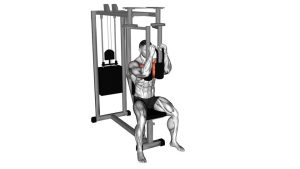
- Bring the handles inward: Sweep the arms forward in a wide arc like you’re hugging a barrel.
- Finish with the chest: Stop when the handles meet (or nearly meet) without rounding the shoulders forward.
- Pause and squeeze: Hold 1 second while keeping shoulders down and elbows softly bent.
- Return slowly: Open back to a controlled stretch in 2–4 seconds, resisting the weight the whole way.
Pro Tips & Common Mistakes
Pro Tips
- Think “arms as hooks”: Move from the chest, not the hands.
- Slow eccentric: The return builds most of the stimulus—don’t rush it.
- Keep a fixed elbow angle: This keeps it a fly, not a press.
- Stop short of shoulder pain: Big stretch is optional; control is mandatory.
- Great after pressing: Use it after bench/incline for focused chest volume.
Common Mistakes
- Shrugging shoulders: Turns it into traps/shoulders and can irritate joints.
- Turning it into a press: Bending elbows more to move heavier weight reduces chest isolation.
- Letting the weight slam back: Lose tension and increase shoulder stress.
- Rounding forward at the finish: Keep the chest proud; don’t collapse.
- Too heavy, too fast: Flyes reward control more than load.
FAQ
Where should I feel lever crossovers most?
Primarily in the chest—a strong contraction as the handles come together, plus a controlled stretch as you open. Some shoulder involvement is normal, but it shouldn’t dominate.
Is this better than dumbbell flyes?
Not “better,” just different. Lever fly machines provide a guided path and steady tension, often making them easier on joints and simpler to overload safely. Dumbbells demand more stabilization.
How deep should I go on the stretch?
Only as deep as you can keep your shoulders comfortable and controlled. A moderate stretch with perfect tension is more productive than a painful, unstable bottom position.
How do I target chest more and shoulders less?
Lower the load, keep shoulders down, keep a fixed elbow bend, and avoid letting the elbows drift too far behind your torso. Control the eccentric and stop before shoulder discomfort.
Where does this fit in a chest workout?
Best as an accessory after presses (bench/incline) or as a finisher. It’s ideal for adding chest volume without excessive joint stress.
Recommended Equipment (Optional)
- Chest Fly Machine (Home Gym Options) — for fly/crossover-style training at home
- Resistance Bands Set — great cable-crossover alternative and warm-ups
- Adjustable Dumbbells — for fly variations and chest accessory work
- Lifting Straps — optional if grip limits your control (not required)
- Foam Roller (Thoracic Mobility) — helps open the upper back for better chest positioning
Tip: Accessories should improve comfort and control. If any tool causes pain or worsens symptoms, stop and adjust.