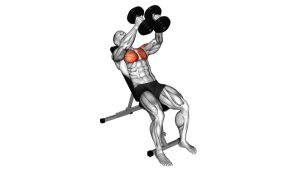
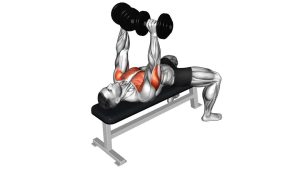
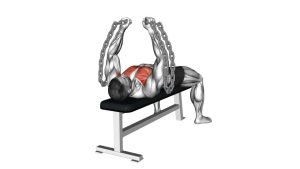
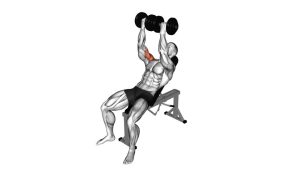
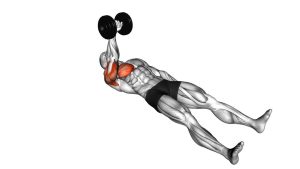
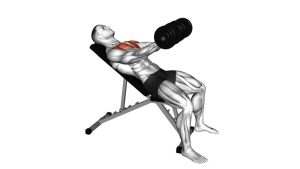
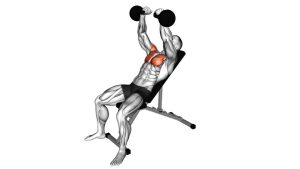
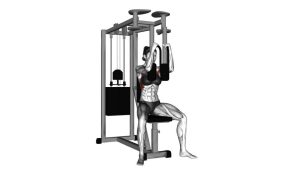
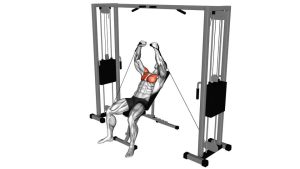
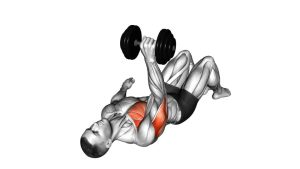
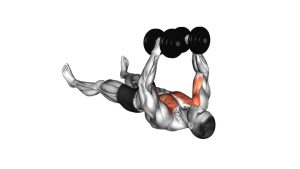
High Dumbbell Fly (Chest Focus): Form, Sets, Tips & FAQ
Learn the High Dumbbell Fly to build chest size with strict fly mechanics. Step-by-step form, sets by goal, setup cues, common mistakes, FAQs, and recommended dumbbell/bench gear.
High Dumbbell Fly
This movement rewards control more than heavy load. Use dumbbells you can lower slowly without shoulder discomfort, keep your shoulders “packed” (down and back), and aim for a quiet rep—no bouncing, no pressing, no speed.
Quick Overview
| Body Part | Chest |
|---|---|
| Primary Muscle | Pectoralis major (chest) |
| Secondary Muscle | Anterior deltoids; serratus anterior; biceps (stabilization) |
| Equipment | Dumbbells + flat bench (or floor as a regression) |
| Difficulty | Intermediate (technique-dependent, shoulder position matters) |
Sets & Reps (By Goal)
- Muscle growth (hypertrophy): 3–5 sets × 8–15 reps (60–90 sec rest)
- Chest “pump” finisher: 2–4 sets × 12–20 reps (30–60 sec rest)
- Strength-support accessory: 3–4 sets × 6–10 reps (90–120 sec rest, strict form)
- Beginner-friendly control: 2–3 sets × 10–12 reps (lighter load, longer tempo)
Progression rule: Add reps first (within the target range), then add a small amount of weight. If your elbows start straightening into a press, the load is too heavy for fly quality.
Setup / Starting Position
- Set the bench: Use a flat bench (stable, not wobbly). Sit with dumbbells on your thighs.
- Lie back safely: “Kick” one knee at a time to guide the dumbbells to the start position.
- Feet planted: Feet flat, knees bent, light full-body tension for stability.
- Shoulders packed: Pull shoulder blades slightly down and back; chest proud without excessive arch.
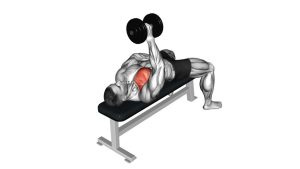
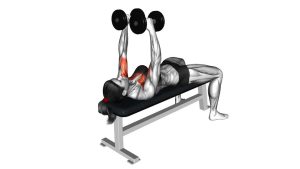
- Top position: Dumbbells above the chest, slightly toward the upper-chest/eye line, palms facing each other, elbows softly bent.
Tip: Think “hug a barrel” with your arms. Your elbow bend should stay nearly the same for the whole rep.
Execution (Step-by-Step)
- Inhale and brace: Keep ribs controlled, shoulders down, and wrists stacked over elbows.
- Lower in an arc: Open your arms wide as the dumbbells travel out and down with control (2–3 seconds).
- Stop at your safe stretch: Lower until you feel a strong chest stretch without shoulder pinching.
- Drive the “hug”: Squeeze your chest to bring the dumbbells back up along the same arc.
- Finish high: Bring the dumbbells close (don’t clang), keeping them slightly toward the upper-chest line, then repeat.
Pro Tips & Common Mistakes
Pro Tips
- Keep elbows softly bent: Locking out stresses joints and reduces chest tension.
- Use slow eccentrics: 2–3 seconds down builds the pec stretch and control.
- Stop shy of pain: Deep stretch is good; sharp shoulder pinch is not.
- Squeeze, don’t slam: Bring dumbbells close without clanking to keep tension on the chest.
- Think “arms as hooks”: The chest moves the weight; the arms guide it.
Common Mistakes
- Turning it into a press: Excessive elbow bend shifts stress to triceps/shoulders.
- Dropping too low: Overstretching can irritate the front of the shoulder.
- Shrugging up: Raises traps and dumps load into the shoulders.
- Wrist collapse: Letting wrists bend back reduces control and comfort.
- Rushing reps: Momentum removes the chest from the movement.
FAQ
Where should I feel the High Dumbbell Fly?
Mostly in the chest—a strong stretch at the bottom and a squeeze at the top. Some shoulder involvement is normal, but you should not feel sharp front-shoulder pinching.
Should I touch the dumbbells together at the top?
No need. Bring them close and squeeze the chest without clanking. Keeping a small gap often helps maintain tension and control.
How low should I lower the dumbbells?
Lower to your safe stretch—typically when your upper arms are near bench level (or slightly below if your shoulders tolerate it). If your shoulders pinch, shorten the range.
Is this better than a machine fly?
Dumbbells require more stabilization and can feel more natural for some lifters, while machines often provide steadier tension with less shoulder strain. Both are effective—choose what feels best.
What’s a good pairing with this exercise?
Pair it after presses (bench press, dumbbell press, push-ups) as an isolation move, or use it as a finisher for a high-rep chest pump.
Recommended Equipment (Amazon)
- Adjustable Dumbbells — space-saving way to progress load for flys and presses
- Flat Weight Bench — stable platform for strict fly mechanics
- Adjustable Workout Bench — lets you vary angles (flat/incline) for chest training variety
- Wrist Wraps — helps keep wrists stacked and comfortable during longer sets
- Workout Gloves / Grip Gloves — optional grip support if dumbbells slip during high-rep work
Tip: Prioritize a stable bench and dumbbells you can control with slow lowering. For flys, form quality beats heavier weight every time.