Dumbbell Floor Hammer Press: Form, Sets & Reps, Tips, FAQ
Learn the Dumbbell Lying-on-Floor Hammer Press (neutral-grip floor press) for chest and triceps strength with a shoulder-friendly range. Step-by-step form, sets by goal, common mistakes, FAQ, and recommended equipment.
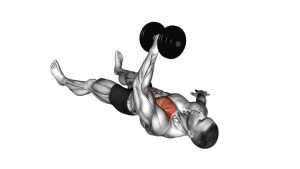
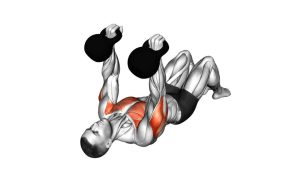
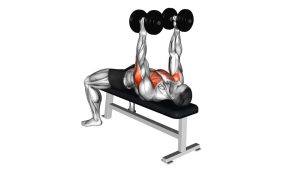
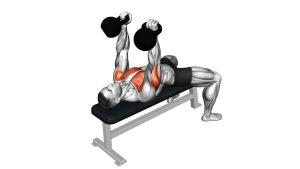
Dumbbell Lying-on-Floor Hammer Press
This movement shines when you prioritize tight positioning and a clean press path. Use a neutral (hammer) grip to keep the shoulders comfortable, and let the floor set a consistent bottom position. Your reps should feel strong and stable—not bouncy, not shaky, and not shoulder-pinching.
Quick Overview
| Body Part | Chest |
|---|---|
| Primary Muscle | Pectoralis major (chest) |
| Secondary Muscle | Triceps, anterior deltoids, core (stability) |
| Equipment | Dumbbells, floor space (optional: exercise mat) |
| Difficulty | Beginner–Intermediate (easy to learn; scalable loading) |
Sets & Reps (By Goal)
- Strength focus: 4–6 sets × 3–6 reps (2–3 min rest, heavier dumbbells, perfect control)
- Muscle growth (hypertrophy): 3–5 sets × 8–12 reps (60–90 sec rest, smooth tempo)
- Endurance / pump: 2–4 sets × 12–20 reps (45–75 sec rest, strict form)
- Shoulder-friendly pressing day: 3–4 sets × 6–10 reps (controlled eccentric, no bounce)
Progression rule: First add reps (or slow the lowering to 2–3 seconds). Then add load in small jumps. If your elbows slam the floor, you’re going too heavy or moving too fast.
Setup / Starting Position
- Lie on the floor: Bend knees with feet flat to stabilize your torso.
- Grab dumbbells safely: Roll to one side to pick them up, then roll back (or start seated and lie back with them).
- Neutral grip: Palms face each other. Wrists straight and stacked over elbows.
- Elbow position: Keep elbows a comfortable angle from your torso (roughly 30–60°), not fully flared.
- Brace: Light core tension, ribs down. Shoulder blades gently “set” (not jammed).
Tip: Use a mat if your elbows or upper arms feel uncomfortable on the floor.
Execution (Step-by-Step)
- Start at the bottom: Upper arms touch the floor lightly, elbows bent, dumbbells near chest line.
- Press up: Drive the dumbbells vertically until arms are straight (avoid aggressive lockout).
- Keep alignment: Wrists stacked; dumbbells stay over mid-chest/shoulders (no drifting forward).
- Pause for control: Brief 0.5–1 sec hold at the top to stabilize.
- Lower slowly: 2–3 seconds down until upper arms touch the floor again—no bouncing.
Pro Tips & Common Mistakes
Pro Tips
- Stay “stacked”: Wrist over elbow, elbow under dumbbell for maximum force transfer.
- Control the bottom: Touch the floor softly—treat it like a “reset,” not a bounce point.
- Use tempo for growth: 2–3 sec lowering + brief pause makes lighter dumbbells very effective.
- Keep shoulder blades stable: Gentle retraction/depression—no shrugging.
Common Mistakes
- Bouncing off the floor: Reduces tension and can irritate elbows/shoulders.
- Elbows flared hard: Often increases shoulder stress and reduces pressing stability.
- Wrists bending back: Weakens the press and can strain wrists—keep knuckles up.
- Dumbbells drifting forward: Turns it into a shoulder-dominant press—keep them stacked.
FAQ
Is the floor press better for shoulder comfort than a bench press?
For many lifters, yes. The floor limits how deep the elbow travels, reducing shoulder extension at the bottom. Combine that with a neutral grip and it’s often a shoulder-friendlier press variation.
Where should I feel this exercise the most?
Primarily in the chest and triceps. If your shoulders dominate, adjust elbow angle (slightly closer), reduce load, and keep the dumbbells stacked over the chest.
Can I do this at home with light dumbbells?
Absolutely. Use slower tempo, pauses, and higher reps (10–20) to make lighter dumbbells challenging and effective.
How is the hammer grip different from a regular dumbbell press?
A hammer/neutral grip keeps the shoulders in a more natural position for many people and can improve pressing comfort. It may also emphasize the triceps slightly depending on your elbow path.
What’s a good progression once this gets easy?
Increase reps first, then load. You can also add a longer pause at the bottom/top, or switch to a bench press for more range, or try a single-arm floor press for extra core and stability demand.
Recommended Equipment (Amazon)
- Adjustable Dumbbells — space-saving, easy progression for home training
- Hex Dumbbell Set — stable on the floor, great for presses and push-up variations
- Thick Exercise Mat — extra comfort for elbows/upper arms and better floor grip
- Wrist Wraps (Lifting) — helps keep wrists stacked for heavier pressing
- Resistance Bands Set — perfect for pairing with rows/pull-aparts to balance pressing volume
Tip: Choose dumbbells that let you keep the reps smooth and controlled. The floor press rewards tight technique more than maximum load.