Ceiling Look Stretch: Safe Neck Extension Form, Sets, Tips & FAQ
Learn the Ceiling Look Stretch to improve neck extension mobility, posture control, and cervical comfort with safe form, sets, tips, FAQs, and gear.
Ceiling Look Stretch
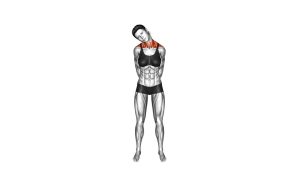
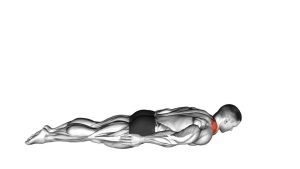
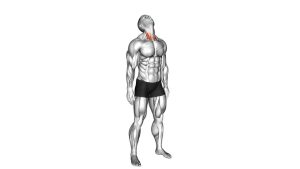
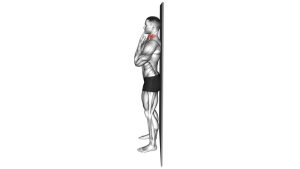
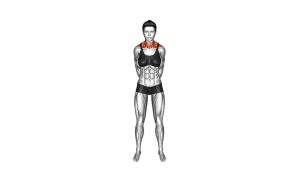
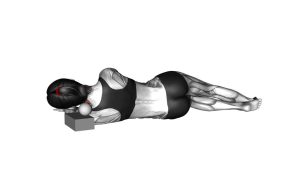
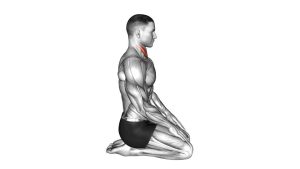
This exercise works best when performed slowly and with light effort. The movement should come from the neck, not from leaning the whole body backward or flaring the ribs. You should feel a gentle stretch through the front of the neck and mild activation through the back of the neck, without sharp pain, dizziness, or compression.
Quick Overview
| Body Part | Neck |
|---|---|
| Primary Muscle | Cervical extensors |
| Secondary Muscle | Deep neck flexors, upper cervical stabilizers, upper trapezius lightly |
| Equipment | None required |
| Difficulty | Beginner |
Sets & Reps (By Goal)
- Daily neck mobility: 2–3 sets × 6–10 slow reps
- Posture reset: 1–2 sets × 5–8 reps during desk breaks
- Warm-up preparation: 2 sets × 8–12 reps before upper-body training
- Control and awareness: 2–3 sets × 5–8 reps with a 2–3 second pause at the top
Progression rule: Improve smoothness and comfort first. Do not increase range by forcing the head backward. Progress by using slower tempo, cleaner posture, or slightly longer pauses.
Setup / Starting Position
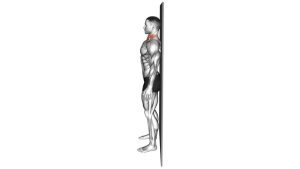
- Start upright: Sit or stand tall with your spine stacked and your chest relaxed.
- Set the shoulders: Keep the shoulders down and away from the ears.
- Face forward: Begin with the chin level and the eyes looking straight ahead.
- Relax the jaw: Keep the mouth relaxed and avoid clenching the teeth.
- Brace lightly: Keep the ribs down so the motion stays in the neck instead of the lower back.
Tip: If you are new to this movement, perform it seated first so the torso stays quiet and the neck motion is easier to control.
Execution (Step-by-Step)
- Begin in neutral: Keep your head tall, chin level, and shoulders relaxed.
- Lift the chin slowly: Start looking upward by gently extending the neck.
- Follow with the eyes: Let your gaze move toward the ceiling as the head tilts back.
- Stay controlled: Avoid throwing the head backward or using momentum.
- Pause briefly: Hold the top position for 1–3 seconds if it feels comfortable.
- Return slowly: Bring the head back to neutral with the same level of control.
Pro Tips & Common Mistakes
- Move slowly: Neck mobility exercises should be controlled, not rushed.
- Avoid overextension: Do not force the head backward to chase a deeper stretch.
- Keep the ribs down: If the chest lifts too much, the movement may shift into the upper back or lower back.
- Relax the shoulders: Avoid shrugging as the head moves upward.
- Use a comfortable range: Mild stretch is acceptable; sharp pain or compression is not.
- Control the return: Do not let the head drop quickly back to neutral.
- Breathe normally: Holding your breath can increase neck and jaw tension.
FAQ
What is the Ceiling Look Stretch good for?
The Ceiling Look Stretch helps improve controlled neck extension, posture awareness, and cervical mobility. It can be useful for people who spend long periods looking down at screens, phones, or desks.
Where should I feel this stretch?
You may feel a gentle stretch through the front of the neck and mild work through the back of the neck. You should not feel sharp pain, dizziness, nerve symptoms, or strong compression at the back of the neck.
Should I push my head as far back as possible?
No. The goal is comfortable mobility and control, not maximum range. Stop before discomfort and keep every rep smooth.
Can I do this exercise every day?
Many people can perform it daily at low intensity. Start with a small number of slow reps and adjust based on comfort. If symptoms increase, reduce the range or stop the exercise.
Is this exercise good for tech neck?
It can support better neck movement and posture awareness, but it works best when combined with chin tucks, upper-back strengthening, rows, face pulls, and regular screen-position adjustments.
Recommended Equipment (Optional)
- Cervical Contour Pillow — supports neutral neck alignment during rest and recovery
- Neck and Shoulder Relaxer — useful for gentle neck relaxation after mobility work
- Cervical Roll / Neck Support — helps support the natural curve of the neck when lying down
- Posture Corrector Brace — provides light posture awareness, but should not replace strengthening
- Resistance Bands Set — useful for pairing neck mobility with upper-back posture exercises
Tip: Equipment is optional. The main priority is controlled movement, relaxed breathing, and staying within a comfortable neck range.