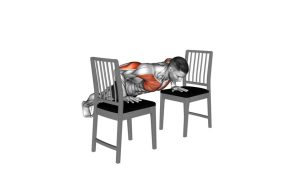
Chest Dip (Chest Focus): Proper Form, Sets & Reps, Tips, FAQ + Gear
Master the chest-focused dip with perfect setup, step-by-step execution, and goal-based sets & reps. Learn common mistakes, FAQs, and recommended dip gear.
Chest Dip
Done well, dips build a thick chest, strong shoulders, and resilient pressing mechanics. The key is shoulder control: keep your shoulders down (not shrugged), maintain a gentle forward lean, and stop the descent before you feel shoulder pinching.
Quick Overview
| Body Part | Chest |
|---|---|
| Primary Muscle | Pectoralis major (lower & mid fibers) |
| Secondary Muscle | Triceps, anterior deltoids, serratus anterior (stabilization), core |
| Equipment | Parallel bars / dip station (optional: assistance band, dip belt) |
| Difficulty | Intermediate (scale with assistance or load) |
Sets & Reps (By Goal)
- Muscle / Hypertrophy: 3–5 sets × 6–12 reps (60–120 sec rest)
- Strength: 4–6 sets × 3–6 reps (2–3 min rest, add weight if needed)
- Endurance / Conditioning: 2–4 sets × 12–20 reps (45–90 sec rest)
- Skill / Technique (assisted): 3–4 sets × 5–8 slow reps (2–4 sec down)
Progression rule: First earn clean reps (full control, no shoulder pinch). Then add reps, then add load (dip belt) or tempo (slower eccentric).
Setup / Starting Position
- Grip the bars: Hands on parallel bars, wrists neutral, grip firm.
- Lock in the shoulders: Press “down” into the bars to keep shoulders depressed (no shrugging).
- Start tall: Arms straight (not aggressively locked), chest proud, neck neutral.
- Choose chest focus: Slight forward lean + allow a comfortable elbow flare (not extreme).
- Lower-body position: Bend knees slightly and keep legs quiet behind you to prevent swinging.
Tip: If you struggle to stay stable, squeeze glutes and brace your abs like you’re holding a plank.
Execution (Step-by-Step)
- Inhale & brace: Maintain shoulder depression and a slight forward lean.
- Descend under control: Bend elbows and lower your body down and slightly forward (not straight down).
- Hit a safe depth: Stop when you feel a strong chest stretch but no shoulder pinch. Upper arms often reach near parallel.
- Press up smoothly: Drive through the bars, keeping the torso lean and ribs controlled.
- Finish strong: Return to the top with shoulders still “down,” avoiding shrugging or bouncing.
Pro Tips & Common Mistakes
Pro Tips
- Lean slightly forward: Chest dips are “chest down + forward,” not upright and straight down.
- Own the eccentric: A 2–4 second descent boosts control and chest stimulus.
- Keep shoulders down: Think “push the bars to the floor.”
- Scale smart: Use bands or an assisted machine until you can control depth and tempo.
- Pair well: Dips + incline pressing or cable flys is a strong chest combo.
Common Mistakes
- Shoulder shrugging at the top: dumps tension into the neck/upper traps.
- Diving too deep too soon: increases shoulder stress; earn depth gradually.
- Swinging/kipping: reduces chest tension and increases joint strain.
- Elbows locked extremely wide: can irritate shoulders—keep a comfortable angle.
- Rushing reps: fast bouncing usually means lost shoulder position.
FAQ
How do I make dips hit the chest more than the triceps?
Use a slight forward lean, let the elbows flare moderately, and think “chest down and forward.” Keep reps smooth and stop the descent before shoulder pinching.
How deep should I go on chest dips?
Go as deep as you can while keeping shoulders stable and pain-free. A good target is when your upper arms reach near parallel, but your safest depth is the one that gives a strong chest stretch without joint discomfort.
Are dips safe for shoulders?
They can be, if you control depth, maintain shoulder depression, and avoid bouncing. If you feel pinching in the front of the shoulder, scale to assisted dips, reduce depth, and strengthen supporting muscles (upper back, rotator cuff).
What’s better: bodyweight dips or weighted dips?
Bodyweight dips are best for mastering form and building volume. Weighted dips are great for strength once you can do consistent clean reps. Add load gradually using a dip belt.
What if I can’t do a full dip yet?
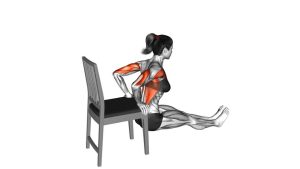
Start with assisted dips (band or machine), negative-only dips (slow lowers), or bench dips (with caution). Your goal is stable shoulders and controlled reps before you increase range or load.
Recommended Equipment (Optional)
- Dip Station / Parallel Bars — sturdy setup for home or gym-style dips
- Resistance Bands (Assistance Bands) — makes dips scalable while you build strength
- Dip Belt (Weighted Dips) — add load safely once bodyweight reps are strong
- Liquid Chalk / Grip Aid — improves grip security and reduces slipping
- Wrist Wraps — optional support if wrists fatigue on bars
Tip: Choose equipment that increases stability and comfort. If any tool causes pain or pinching, stop and reassess technique and range.