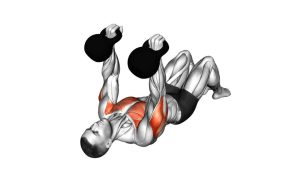
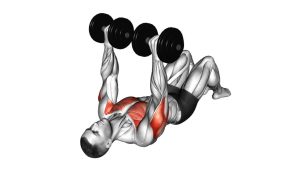
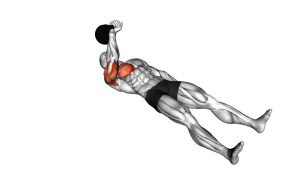
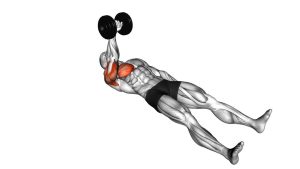
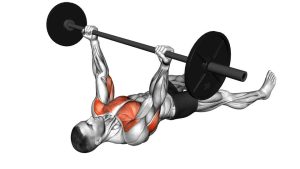
Barbell Floor Chest Press: Proper Form, Sets & Reps, Tips & FAQ
Learn the Barbell Floor Chest Press for chest and triceps strength with a shoulder-friendly range of motion. Step-by-step form, sets by goal, common mistakes, FAQs, and recommended equipment.
Barbell Floor Chest Press
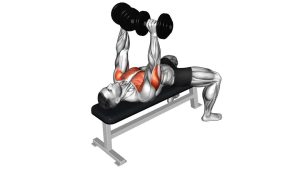
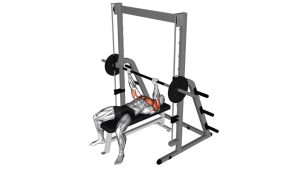
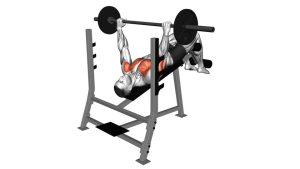
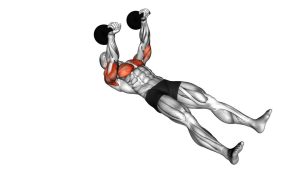
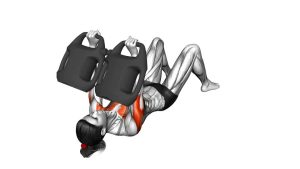
Floor pressing rewards tight setup and consistent pauses. Each rep starts from a stable bottom position with the triceps and upper back engaged. Keep the bar path controlled, wrists stacked, and elbows at a comfortable angle (not flared aggressively).
Quick Overview
| Body Part | Chest |
|---|---|
| Primary Muscle | Pectoralis major (sternal + clavicular fibers) |
| Secondary Muscle | Triceps brachii, anterior deltoids, serratus anterior (stability) |
| Equipment | Barbell + plates (optional: floor mats, low blocks/plates for starting height) |
| Difficulty | Intermediate (easier on shoulders than deep bench range, but requires good control) |
Sets & Reps (By Goal)
- Strength (lockout focus): 4–6 sets × 3–6 reps (2–3 min rest)
- Hypertrophy (chest + triceps): 3–5 sets × 6–10 reps (90–120 sec rest)
- Technique / control (paused reps): 3–4 sets × 5–8 reps (1–2 sec pause, 90–150 sec rest)
- Endurance / pump: 2–4 sets × 10–15 reps (60–90 sec rest, lighter load)
Progression rule: Add reps first (keep pauses clean), then add small weight increments. If bar speed slows dramatically or elbows lose position, hold the load and perfect the rep quality.
Setup / Starting Position
- Rack or start safely: Ideally use a rack set low enough to unrack while lying down, or use a spotter. (Avoid risky “roll of shame” setups with heavy loads.)
- Lie on the floor: Upper back, shoulders, and head supported. Bend knees with feet flat for stability.
- Grip width: Start with a moderate grip (often similar to bench press). Wrists stacked over elbows at the bottom.
- Shoulder position: Light retraction/depression—think “shoulders down and back” to create a stable base.
- Elbow angle: Keep elbows slightly tucked (roughly 30–60° from the torso) to protect shoulders.
Tip: If the bar starts too low to unrack comfortably, place plates/blocks under the bar ends or use a rack/spotter so you can begin in a strong position.
Execution (Step-by-Step)
- Unrack and stack: Bring the bar over the mid-chest with wrists straight and forearms vertical.
- Lower with control: Inhale, brace your core, and lower the bar until your upper arms gently touch the floor.
- Pause on the floor: Brief dead stop—no bouncing. Keep your upper back tight.
- Press up: Drive the bar upward smoothly. Think “push the bar away” while keeping elbows in a strong groove.
- Finish strong: Reach near full elbow extension with the bar stacked over shoulders. Exhale as you complete the rep.
Pro Tips & Common Mistakes
- Use a real pause: Let the triceps and chest produce force from a dead stop—avoid bouncing off the floor.
- Don’t flare excessively: Extreme elbow flare can irritate shoulders; keep a comfortable tuck.
- Stack wrists over elbows: Bent wrists leak strength and stress the joints.
- Keep shoulders packed: Don’t let shoulders protract at the top; maintain upper-back tension.
- Control the descent: Fast drop = unstable bottom position and inconsistent reps.
- Great pairing: Combine with rows/face pulls to keep shoulders balanced and pressing strong.
FAQ
Is the barbell floor press better for shoulders than bench press?
Often, yes. The floor limits how deep your elbows can travel, reducing shoulder extension at the bottom. That said, comfort depends on your grip width, elbow angle, and shoulder mobility.
What part of the press does the floor press improve most?
The floor press is excellent for mid-range to lockout strength because it reduces the deepest stretch position. Many lifters feel a strong triceps contribution, especially with paused reps.
Where should the bar touch?
Think mid-chest line with forearms vertical. The bar usually does not touch the floor—your upper arms contact the floor first, creating the bottom position.
Can beginners do this exercise?
Yes, but start light and prioritize safety (rack/spotter). The movement is simple, but unracking from the floor can be awkward without setup. If needed, begin with dumbbell floor presses to learn pressing control.
What are good variations?
Popular options include paused floor press, close-grip floor press (more triceps), and dumbbell floor press (easier setup and shoulder-friendly).
Recommended Equipment (Amazon)
- Olympic Barbell — a solid bar with good knurling makes floor pressing safer and more consistent
- Olympic Weight Plates (Bumper or Iron) — stable plates help with safe setup and even loading
- Barbell Jack / Deadlift Jack — makes loading/unloading plates easier without straining your back
- Thick Exercise Mat — improves comfort on elbows/upper back while keeping a firm base
- Olympic Barbell Collars — keeps plates secure for safer reps and cleaner bar balance
Tip: If you train alone, prioritize a safe unrack method (rack height/spotter/blocks). Strong reps are great—safe reps are mandatory.