1-Board Bench Press: Form, Sets & Reps, Tips, and FAQ
Learn the 1-Board Bench Press (Board Press) to build mid-range pressing power and lockout strength with less shoulder stress. Step-by-step form, sets by goal, common mistakes, FAQs, and recommended equipment.
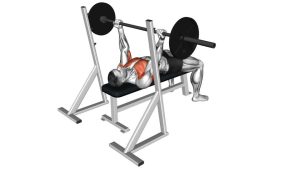
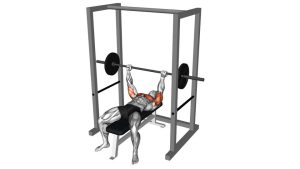
Barbell Bench Press with 1 Board
Use the 1-board bench when you want to build confidence with heavier loads, attack a sticking point, or keep pressing hard while managing shoulder comfort. The goal is a consistent bar path and a soft, controlled touch on the board—no bouncing, no collapsing, no rushed lockout.
Quick Overview
| Body Part | Chest |
|---|---|
| Primary Muscle | Pectoralis major (mid-range emphasis) |
| Secondary Muscle | Triceps brachii (lockout), anterior deltoid, serratus (stability), lats (bar control) |
| Equipment | Barbell, flat bench, rack/stands, 1-board (or foam board), optional spotter & collars |
| Difficulty | Intermediate (advanced when used for overload/heavy singles) |
Sets & Reps (By Goal)
- Max strength (primary lift / overload): 4–6 sets × 2–5 reps (2–3 min rest)
- Powerlifting lockout focus (sticking point work): 5–8 sets × 1–3 reps (2–4 min rest, crisp reps)
- Hypertrophy + strength blend: 3–5 sets × 6–10 reps (90–150 sec rest)
- Technique / speed (submax): 6–10 sets × 2–3 reps (60–90 sec rest, fast concentric)
Loading note: Many lifters can use slightly more weight than a full-range bench because the bottom stretch is reduced. Keep the reps clean: controlled touch on the board, no bounce, full lockout.
Setup / Starting Position
- Rack height: Set the J-hooks so you can unrack without losing shoulder position. Add safeties if available.
- Bench setup: Eyes under the bar. Feet planted and stable (drive through the floor).
- Upper back tight: Retract and depress shoulder blades (“pin them to the bench”). Chest tall.
- Grip & wrists: Grip slightly wider than shoulder width (common), wrists stacked over elbows—avoid cocked wrists.
- Board placement: Spotter holds a 1-board firmly on the sternum/upper chest line where your bar normally touches.
- Big breath & brace: Inhale, brace the torso, keep ribs controlled—don’t lose tightness before unrack.
Tip: If you bench with a competition touch point, keep the board at that same touch line so your bar path stays consistent.
Execution (Step-by-Step)
- Unrack tight: Press the bar up and move it out over the shoulders with locked elbows, keeping shoulder blades pinned.
- Controlled descent: Lower the bar with control toward the board. Elbows slightly tucked (not flared hard).
- Soft touch: Let the bar touch the board—no bounce. Keep forearms near vertical at the bottom.
- Press powerfully: Drive the bar up and slightly back toward the rack (natural bench bar path).
- Lockout & reset: Finish with full elbow extension, keep the torso tight, then repeat with the same touch point.
Pro Tips & Common Mistakes
Pro Tips
- Use the board as a target: Aim for a consistent touch point every rep.
- Stay tight on the pause: Light contact, keep lats engaged, then press.
- Drive with legs: Push the floor away to stabilize the torso and help the press stay strong.
- Rotate intent: Heavy doubles/triples one week, 6–10 reps the next to build both strength and size.
Common Mistakes
- Bouncing off the board: Turns it into a “rebound” rep and reduces carryover.
- Wrists folding back: Leaks power and irritates wrists/elbows—stack knuckles over forearms.
- Elbows flaring hard: Can stress shoulders—use a moderate tuck that matches your normal bench.
- Losing shoulder position: If shoulders roll forward, reset your scapula and lighten the load.
- Board drifting: The spotter should hold the board steady—movement changes the bar path and consistency.
FAQ
What does the 1-board bench press train most?
It emphasizes mid-range pressing strength and lockout power, usually increasing triceps involvement while still training the chest. It’s a popular bench accessory to address sticking points and overload safely.
Is the 1-board bench easier on shoulders than full ROM bench press?
Often, yes—because it reduces the deepest bottom position where the shoulder is most stretched. However, form and grip matter. If you still feel pain, reduce load, adjust touch point, and consider a closer grip or dumbbell pressing.
How heavy should I go compared to my normal bench?
Many lifters can use slightly more weight than their full-range bench, but it varies. Start conservative, keep the touch controlled, and progress only when you can repeat the same bar path every rep.
Do I need a spotter for board presses?
Strongly recommended. A spotter stabilizes the board, helps maintain safety, and can assist if a rep stalls. If you train alone, use a rack with safeties and consider a foam board that can stay in place.
Where should the bar touch the board?
Usually on your normal bench touch line (often lower-to-mid sternum depending on your style). The key is consistency: same touch point, stable wrists, and elbows tracking smoothly.
Recommended Equipment (Optional)
- Bench Press Board (1-Board / Board Press Set) — purpose-built boards for consistent partial-ROM training
- Olympic Barbell Collars — keeps plates secure for safer heavy pressing
- Bench Press Safety Spotter Arms / Rack Safeties — adds a safety layer if you train without a spotter
- Wrist Wraps (Powerlifting Style) — helps keep wrists stacked and stable during heavier sets
- Heavy-Duty Flat Weight Bench — stable base for strong leg drive and consistent pressing
Tip: Choose equipment that improves consistency and safety. The board press works best when your touch point and setup stay identical set to set.