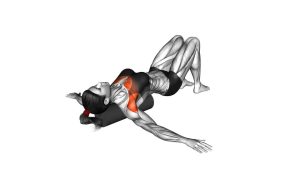
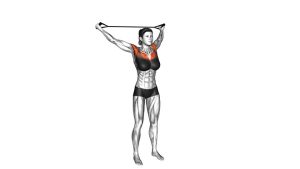
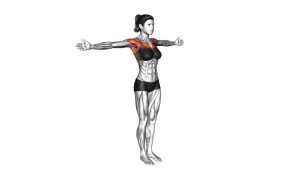
Above-Head Chest Stretch : How to Do It, Benefits, Tips & FAQ
Open up tight chest muscles and improve posture with the Above-Head Chest Stretch. Learn correct form, hold times by goal, common mistakes, FAQs, and optional equipment picks.
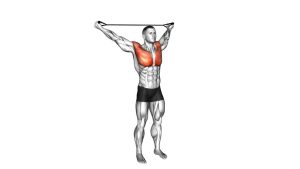
Above-Head Chest Stretch
Use a light-to-moderate stretch that feels “opening” across the chest and front shoulders. You should not feel pinching at the front of the shoulder joint, sharp pain, numbness/tingling, or strain in the neck or lower back. The best results come from calm breathing and consistent practice, not forcing range.
Quick Overview
| Body Part | Chest |
|---|---|
| Primary Muscle | Pectoralis major (upper fibers often feel emphasized), pectoralis minor |
| Secondary Muscle | Anterior deltoids, long head of biceps (often feels stretched), upper ribcage tissues |
| Equipment | None (optional: yoga strap, towel, wall, foam roller) |
| Difficulty | Beginner (mobility-focused, low impact) |
Sets & Reps (By Goal)
- Warm-up (before training): 1–2 sets × 20–30 sec hold (easy effort, breathe, 20–40 sec rest)
- Mobility (improve overhead comfort): 2–4 sets × 30–45 sec hold (30–60 sec rest)
- Post-workout cooldown: 2–3 sets × 30–60 sec hold (slow nasal breathing, 30–60 sec rest)
- Desk/posture reset: 1–2 sets × 15–30 sec hold (light stretch, repeat 1–3 times/day)
Progression rule: Increase hold time first (up to ~60 seconds). Only increase intensity by opening slightly more when the shoulders stay relaxed and the lower back stays neutral (no big arch).
Setup / Starting Position
- Stand tall: Feet hip-width, knees soft, glutes lightly engaged, ribs stacked over hips.
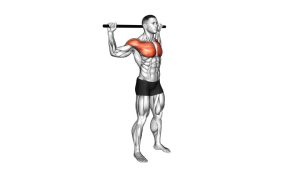
- Raise arms overhead: Reach up as if “getting taller,” keeping shoulders down (no shrugging).
- Choose hand position: Hands together (clasp) or hold a towel/strap with a comfortable width.
- Set the torso: Keep the neck long and chin neutral. Avoid flaring ribs or arching the lower back.
- Find a gentle start: You should feel mild stretch across the chest/front shoulders before you “open” more.
Tip: A strap/towel helps you control shoulder position and keep tension out of the neck.
Execution (Step-by-Step)
- Reach up first: Extend tall through the crown of the head and fingertips (gentle upward reach).
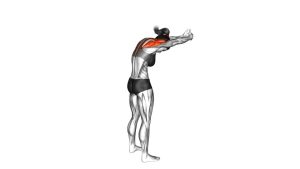
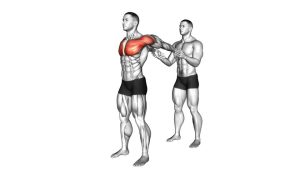
- Open the chest: Without arching your low back, let your arms drift slightly behind your head line (small range). Keep shoulders down and wide.
- Breathe into the ribcage: Inhale to expand the chest; exhale to relax the shoulders while maintaining position.
- Hold: Stay 20–60 seconds depending on goal. The stretch should be strong but comfortable.
- Exit smoothly: Bring arms back to vertical, then lower. Avoid dropping or yanking out of the stretch.
Pro Tips & Common Mistakes
Pro Tips
- Think “up then open”: Reach tall first, then gently open the chest.
- Keep ribs stacked: Light abs + glutes prevent the stretch from turning into a low-back arch.
- Use a strap: Holding a strap/towel reduces wrist strain and helps you control shoulder width.
- Breathe slowly: 3–5 deep breaths can increase comfort and stretch quality.
- Pair it well: Great after pressing days or before posture work (rows, face pulls, band pull-aparts).
Common Mistakes
- Overarching the lower back: The stretch moves to the spine instead of the chest.
- Shrugging shoulders: Loads the neck/traps and reduces chest stretch.
- Forcing range: “Pinchy” shoulders = back off and keep it pain-free.
- Holding breath: Makes the stretch feel harsher and less effective.
- Elbows locked hard: Try a slight bend if joints feel cranky.
FAQ
Where should I feel the Above-Head Chest Stretch?
Most people feel it across the front of the chest and front shoulders. You may also feel a stretch along the biceps (long head). If you feel shoulder pinching, reduce range and keep ribs stacked (no arch).
Is this a warm-up stretch or a cooldown stretch?
Both. Use shorter holds (15–30 sec) for warm-ups and longer holds (30–60 sec) for cooldown or mobility sessions. Keep intensity gentle before lifting.
What if I can’t get my arms comfortably overhead?
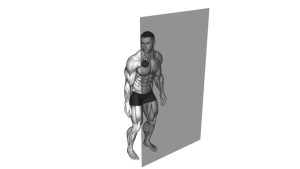
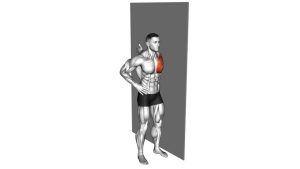
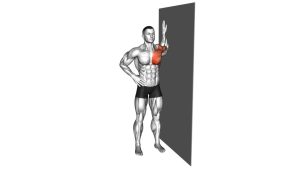
Use a towel/strap with a wider grip, bend elbows slightly, and open only a small amount. You can also do a doorway chest stretch or foam roller opener as a regression.
Should I feel this in my lower back?
No. If your lower back takes over, you’re likely arching. Squeeze glutes lightly, bring ribs down, and reduce how far the arms drift behind you.
How often can I do it?
Many people can do it daily at light intensity. If you’re very sore or your shoulders feel irritated, reduce volume and keep the stretch smaller.
Recommended Equipment (Optional)
- Yoga Strap — helps control hand spacing and shoulder comfort during overhead stretches
- Stretching Strap (Multi-Loop) — offers multiple grip options for gradual progression
- Foam Roller — supports chest-opening drills and thoracic mobility work
- Resistance Bands Set — pair with rows, pull-aparts, and face pulls for posture balance
- Posture Corrector (Light Reminder) — optional awareness tool; not a replacement for mobility + strengthening
Tip: If a tool increases shoulder pinching or nerve-like symptoms, stop using it and reduce the stretch range. Consistency + comfort beats intensity.