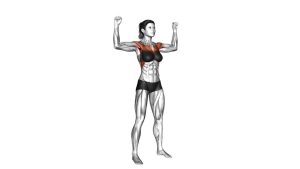
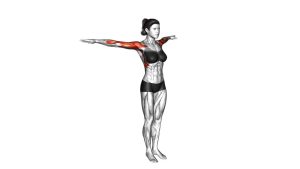
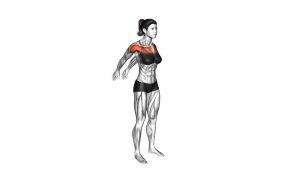
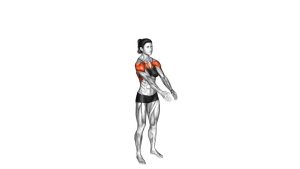
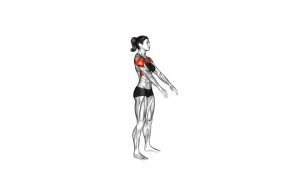
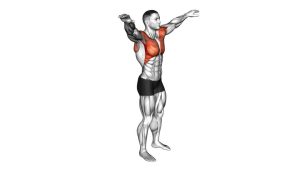
Band Warm-Up Shoulder Stretch (Chest Focus): Form, Sets, Tips & FAQ
Use this band warm-up shoulder stretch to open the chest and improve anterior shoulder mobility. Includes step-by-step form, sets by goal, common mistakes, FAQs, and recommended band gear.
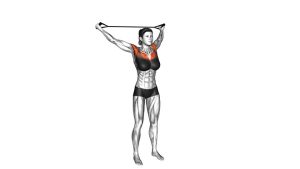
Band Warm-Up Shoulder Stretch
Think of this as a primer for pressing days (bench, push-ups, dips) or as a quick posture reset after desk time. Keep the ribs down, neck long, and let the band create steady, manageable tension. Your chest should feel like it’s “opening,” not like your shoulders are being forced into a joint stretch.
Quick Overview
| Body Part | Chest |
|---|---|
| Primary Muscle | Pectoralis major (chest) — stretch/mobility focus |
| Secondary Muscle | Anterior deltoid, biceps (long head), pec minor (often), scapular retractors (light control) |
| Equipment | Resistance band (light–medium) |
| Difficulty | Beginner (great as a warm-up or daily posture drill) |
Sets & Reps (By Goal)
- Warm-up before pressing: 2–3 sets × 8–12 slow reps (1–2 sec open, 1–2 sec return)
- Chest/shoulder mobility: 2–4 sets × 10–15 reps (smooth tempo, 30–60 sec rest)
- Posture reset (desk break): 1–2 sets × 6–10 reps (easy effort, no strain)
- Cooldown stretch emphasis: 2–3 sets × 6–10 reps + 2–5 sec pause in the open position
Progression rule: First improve control (slower reps + better posture). Then increase range slightly. Last, move to a slightly stronger band—only if the shoulders stay relaxed and pain-free.
Setup / Starting Position
- Stand tall: Feet hip-width, knees soft, glutes lightly engaged, ribs down.
- Grip the band: Hold with both hands, wider than shoulder-width to start.
- Arms in front: Hands at chest height, elbows straight but not aggressively locked.
- Set shoulders: Keep shoulders down and relaxed—no shrugging.
- Choose band tension: You want light–moderate tension that you can control smoothly.
Tip: If you feel shoulder pinching, widen your grip and use a lighter band. Comfort and control come first.
Execution (Step-by-Step)
- Brace lightly: Exhale gently, keep ribs stacked over hips, neck long.
- Open the band: Pull the hands outward and slightly back to open the chest.
- Keep arms level: Stay around chest height—don’t turn it into an overhead movement unless intended.
- Pause briefly: Hold 1–2 seconds in the open position while breathing calmly.
- Return with control: Bring hands back to the start slowly—no snapping back.
Pro Tips & Common Mistakes
Pro Tips
- Start wider: A wider grip reduces stress on the shoulder and makes the stretch cleaner.
- Keep ribs down: Avoid compensating by arching the low back to “fake” more range.
- Think “open the chest”: Gentle scap retraction helps, but don’t crank the shoulder blades hard.
- Use the right band: Light bands are best for warm-ups; heavy bands often cause poor form.
Common Mistakes
- Shrugging the shoulders: This shifts tension into the neck/traps.
- Yanking fast reps: Mobility improves with control—not speed.
- Overextending the spine: Rib flare/low-back arch reduces the stretch and irritates shoulders.
- Grip too narrow too soon: This can create shoulder pinching and joint stress.
FAQ
Where should I feel this stretch?
Mostly across the chest (pecs) and the front of the shoulders. You should not feel sharp pinching deep in the shoulder joint. If you do, widen your grip, lighten the band, and reduce the range.
Is this the same as a band pull-apart?
It’s similar, but the intent is different. A pull-apart is often used for upper-back activation. This version prioritizes chest opening and anterior shoulder mobility with a smoother, stretch-focused tempo.
How often can I do it?
Many people can do it daily at low intensity. For warm-ups, 2–3 sets is plenty. If you notice lingering soreness or irritation, reduce volume and keep the movement smaller.
What if my shoulders feel tight or pinch?
Start with a wider grip, use a lighter band, and keep the arms closer to chest height. Stay in a pain-free range and emphasize slow control. If symptoms persist, consider professional guidance.
Recommended Equipment (Optional)
- Loop Resistance Bands Set — multiple tensions for warm-ups and mobility
- Therapy Resistance Bands with Handles — comfortable grip for controlled stretches
- Latex-Free Resistance Bands — good option if you have latex sensitivity
- Door Anchor for Bands — expands band mobility options (rows, press warm-ups)
- Foam Roller — pairs well for chest/thoracic mobility before or after stretching
Tip: For warm-ups, choose a band that lets you keep your shoulders down and your ribs stacked. If you have to fight the band, it’s too heavy for mobility work.