Diamond Press (Sphinx Push-Up): Form, Sets & Tips for Bigger Triceps
Learn the Diamond Press (Sphinx Push-Up) to build triceps strength with a close-hand “diamond” setup. Step-by-step form, sets by goal, common mistakes, FAQs, and optional equipment.
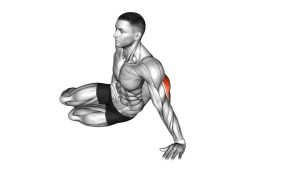
Diamond Press (Sphinx Push-Up)
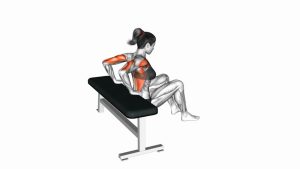
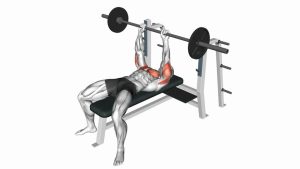
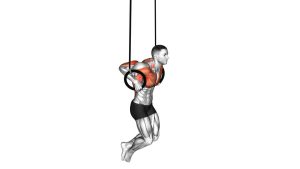
This exercise rewards control more than speed. You’ll get the best triceps stimulus when you keep your elbows close, maintain a strong plank, and avoid letting the shoulders shrug toward your ears. If your wrists or elbows feel cranky, use a softer surface, slow down, and shorten the range until it feels clean.
Quick Overview
| Body Part | Triceps |
|---|---|
| Primary Muscle | Triceps brachii (all heads) |
| Secondary Muscle | Chest (pectorals), front delts, serratus anterior, core stabilizers |
| Equipment | None (optional: mat, push-up handles/parallettes) |
| Difficulty | Intermediate (scale by elevating hands/using knees/shortening range) |
Sets & Reps (By Goal)
- Strength: 4–6 sets × 3–6 reps (2–3 min rest, strict tempo)
- Hypertrophy (size): 3–5 sets × 6–12 reps (60–90 sec rest)
- Endurance / conditioning: 2–4 sets × 12–20 reps (45–75 sec rest)
- Skill & control (joint-friendly): 2–3 sets × 5–8 reps (3 sec down, 1 sec pause, smooth press)
Progression rule: First add reps with perfect form. Then slow the eccentric (lowering). After that, increase difficulty by elevating feet slightly or moving to a stricter full-range press.
Setup / Starting Position
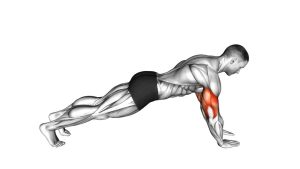
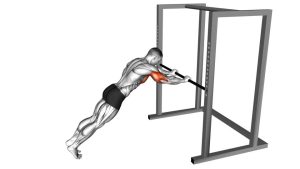
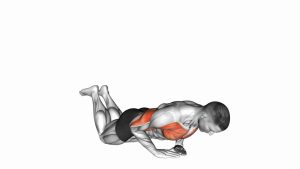
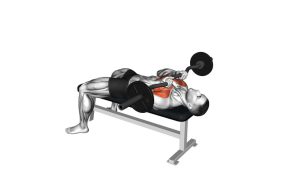
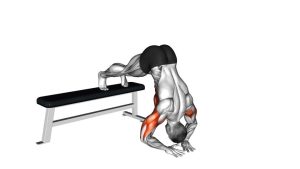
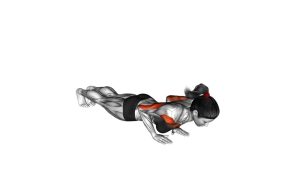
- Get on the floor: Use a mat if needed. Start in a forearm-supported plank position.
- Hands “diamond”: Bring thumbs and index fingers close to form a diamond shape under your chest/upper sternum area.
- Elbows tucked: Point elbows back alongside the ribs (avoid flaring wide).
- Brace the plank: Squeeze glutes, tighten core, and keep a straight line from head to heels (or knees if scaling).
- Neck neutral: Look slightly ahead of your hands—don’t crane the neck.
Tip: If wrists are uncomfortable, use push-up handles or parallettes to keep a more neutral wrist angle.
Execution (Step-by-Step)
- Set tension: Lock in your plank (core + glutes). Keep shoulders down and away from ears.
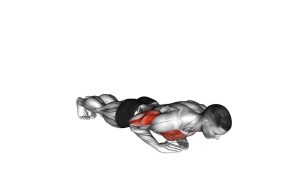
- Lower with control: Bend elbows back (not out) and lower your chest toward your hands/forearms.
- Pause briefly: Stop just before you lose plank alignment or feel shoulder pinching.
- Press up: Drive the floor away by extending the elbows. Keep the diamond hand position tight.
- Finish strong: At the top, keep ribs down and avoid over-arching the lower back.
Pro Tips & Common Mistakes
- Keep elbows tight: Elbows drifting wide shifts stress to shoulders and reduces triceps focus.
- Move as one unit: Maintain a plank—no worming, hip sag, or bouncing.
- Use tempo: A slow 2–4 second lower instantly increases difficulty without changing the setup.
- Don’t force depth: Stop before shoulder pinching or losing alignment. Range grows over time.
- Avoid shrugged shoulders: Think “shoulders down” and push the floor away.
- Scale smart: Use knees, elevate hands (bench), or reduce range to keep reps smooth and pain-free.
FAQ
Where should I feel the Diamond Press?
Mostly in the triceps, with assistance from the chest and front delts. You should also feel your core working to keep your body rigid.
Is this better than a regular diamond push-up?
It’s different. This variation often feels more triceps-dominant because of the elbow-extension emphasis. Regular diamond push-ups can be slightly more chest-involved depending on torso angle and depth.
What if my wrists hurt?
Use a mat, adjust hand position slightly, or try push-up handles/parallettes for a neutral wrist. You can also scale by elevating hands on a bench to reduce load.
How do I make it easier (beginner scaling)?
Start with knees down, elevate your hands on a stable bench, and keep reps slow. Prioritize a strong plank and elbow control before increasing difficulty.
How do I progress without adding weights?
Add reps first, then slow the eccentric, then increase range. After that, try a slight feet elevation or pause longer near the bottom (while keeping the shoulders comfortable).
Recommended Equipment (Optional)
- Push-Up Handles — neutral wrists and a deeper, more comfortable press
- Parallettes Bars — sturdy grip option for wrist comfort and progression
- Thick Exercise Mat — protects elbows/forearms and improves comfort on the floor
- Elbow Compression Sleeves — optional support if elbows feel irritated during pressing volume
- Resistance Bands Set — great for pairing with triceps accessories (pressdowns, kickbacks) at home
Tip: If any tool increases discomfort, remove it and scale the movement instead. Consistent, clean reps beat forcing intensity.