Kettlebell Floor Press: Proper Form, Sets & Reps, Tips, and Best Equipment
Learn how to do the kettlebell floor press with perfect form. Step-by-step technique, sets & reps by goal, common mistakes, FAQs, and recommended equipment for stronger, safer chest pressing.
Kettlebell Floor Press
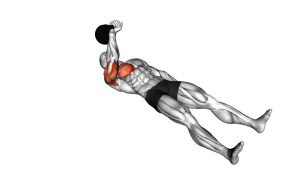
Think of this as a “clean press” for your chest: smooth reps, stacked wrists, and shoulders that stay packed. The floor gives you a consistent bottom position—great for building confidence and reducing shoulder irritation. You should feel the work mainly in the chest and triceps, with a steady, braced torso.
Quick Overview
| Body Part | Chest |
|---|---|
| Primary Muscle | Pectoralis major (chest) |
| Secondary Muscle | Triceps, anterior deltoids, serratus anterior, rotator cuff (stabilization) |
| Equipment | Kettlebell (one or two), floor mat (optional) |
| Difficulty | Beginner–Intermediate (progresses well with load, tempo, and unilateral work) |
Sets & Reps (By Goal)
- Strength: 4–6 sets × 3–6 reps (2–3 min rest, heavier kettlebell)
- Muscle growth (hypertrophy): 3–5 sets × 6–12 reps (60–120 sec rest)
- Endurance / conditioning: 2–4 sets × 12–20 reps (45–75 sec rest, controlled pace)
- Shoulder-friendly pressing / technique: 2–4 sets × 8–10 reps (1–2 sec pause on the floor)
Progression rule: Add reps first (up to the top of the range), then increase kettlebell weight. If you only have one kettlebell, progress with slower eccentrics, pauses, or single-arm variations.
Setup / Starting Position
- Lie on the floor: On your back with knees bent and feet flat for stability.
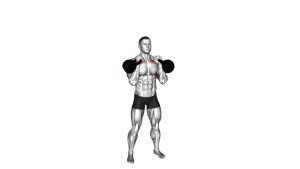
- Position the kettlebell: Start with the bell close to your chest. Keep your forearm vertical and wrist stacked.
- Set your shoulders: Gently pull shoulder blades “down and back” (packed), without arching hard.
- Elbow angle: Keep elbows about 30–60° from your torso (not flared straight out).
- Brace: Light core tension and ribs down—avoid excessive rib flare.
Tip: A yoga mat can improve comfort and reduce elbow impact, especially during higher-rep sets.
Execution (Step-by-Step)
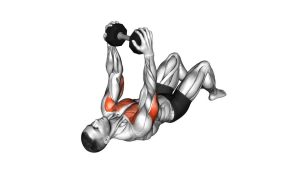
- Start tight: Wrist stacked, forearm vertical, shoulder packed, elbow hovering just above or lightly touching the floor.
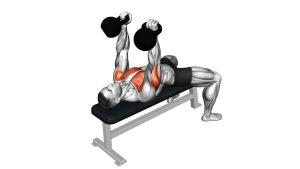
- Press up: Drive the kettlebell upward until your elbow is nearly straight. Keep the bell balanced and steady.
- Stay controlled: Avoid shrugging at the top—keep your shoulder away from your ear.
- Lower slowly: Bring the kettlebell down under control until the upper arm touches the floor gently.
- Reset and repeat: Pause briefly on the floor (optional) to remove bounce and keep reps clean.
Pro Tips & Common Mistakes
Pro Tips
- Use a neutral wrist: Keep knuckles pointed up—don’t let the bell fold the wrist back.
- Pause on the floor: A 1–2 second pause boosts control and keeps the shoulder joint happy.
- Keep elbows tucked: A moderate tuck (30–60°) is usually the sweet spot for chest + shoulder comfort.
- Unilateral focus: Single-arm presses train anti-rotation core stability—brace like someone might poke your ribs.
- Tempo progression: Try a 3-second lower (eccentric) before jumping to heavier load.
Common Mistakes
- Crashing the elbow: Don’t slam into the floor—touch softly and stay in control.
- Over-flaring elbows: Elbows straight out can irritate shoulders for many lifters.
- Loose shoulders: Shrugging up or letting the shoulder roll forward reduces power and stability.
- Hyperextending the wrist: If your wrist bends back, lighten the load or adjust the grip.
- Over-arching the back: A small natural arch is fine, but don’t turn it into a hard “bridge” unless it’s intentional.
FAQ
What’s the main benefit of the floor press vs. a bench press?
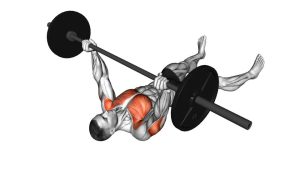
The floor limits how deep your elbow travels, which often makes it more shoulder-friendly. It also encourages clean, controlled reps and can improve lockout strength.
Should I do this with one kettlebell or two?
One kettlebell is great for stability and core control (anti-rotation). Two kettlebells increases overall load and symmetry but requires more control and setup. Start with one if you’re new to kettlebells.
Where should I feel it?
Mostly in the chest and triceps. Some shoulder work is normal, but you shouldn’t feel sharp pinching at the front of the shoulder.
How do I make it harder without heavier kettlebells?
Use slower eccentrics (3–5 seconds down), add pauses on the floor, increase reps, or switch to single-arm presses to increase stability demands.
Is the kettlebell floor press good for beginners?
Yes. The floor provides a consistent bottom position, helps control range of motion, and is often easier on the shoulders. Start light and focus on smooth, stable reps.
Recommended Equipment (Optional)
- Adjustable Kettlebell — saves space and lets you progress load without buying multiple bells
- Cast Iron Kettlebell (Single Bell) — durable classic option for floor presses and full-body kettlebell training
- Kettlebell Pair (Matching Set) — ideal if you want to press with two kettlebells for higher loading
- Thick Exercise Mat — improves comfort for elbows/upper arms and helps keep reps controlled
- Wrist Wraps (Optional Support) — helpful if wrist extension limits your kettlebell pressing comfort
Tip: Choose a kettlebell that allows steady reps with a stacked wrist. If the bell wobbles or forces wrist bend, drop the weight and prioritize control.