Bodyweight Standing Fly: No-Equipment Chest Fly for Activation, Control & Pump
Learn the Bodyweight Standing Fly (standing chest fly) to activate your pecs without equipment. Step-by-step form cues, sets by goal, common mistakes, FAQs, and optional Amazon gear for better chest training.
Bodyweight Standing Fly
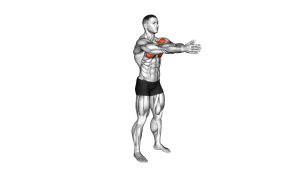
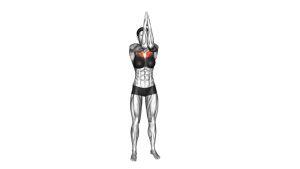
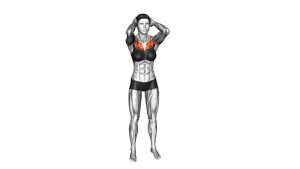
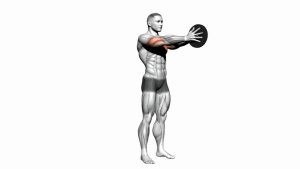
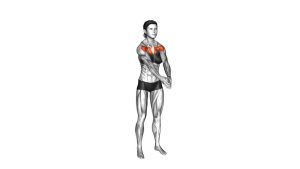
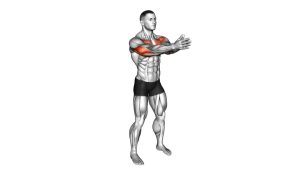
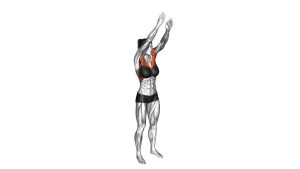
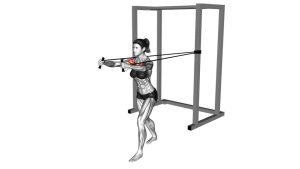
This movement is all about control, not heavy loading. Your goal is to feel the chest do the work: a smooth arc inward, a brief squeeze, then a slow return. Keep your shoulders down (no shrugging), and avoid turning it into a front-shoulder swing.
Quick Overview
| Body Part | Chest |
|---|---|
| Primary Muscle | Pectoralis major (sternal fibers emphasis) |
| Secondary Muscle | Anterior deltoid, serratus anterior (light), biceps (stabilization) |
| Equipment | None (optional: mini bands, sliders, resistance band) |
| Difficulty | Beginner (best for activation, technique, and high-rep pump work) |
Sets & Reps (By Goal)
- Warm-up / activation: 2–3 sets × 10–15 reps (1–2 sec squeeze, 30–45 sec rest)
- Muscle endurance / posture-friendly pump: 3–5 sets × 15–25 reps (steady tempo, 30–60 sec rest)
- Hypertrophy finisher (after presses/push-ups): 2–4 sets × 12–20 reps (2 sec squeeze, 45–75 sec rest)
- Beginner home circuit: 2–3 sets × 8–12 reps (slow reps, focus on form)
Progression rule: Add reps and slow down the lowering first. When 20 clean reps feel easy, increase tension by squeezing harder, holding longer, or using a light band.
Setup / Starting Position
- Stand tall: Feet hip-width, knees soft, core gently braced. Avoid leaning back.
- Set your shoulders: “Down and wide” (no shrug). Chest open, neck relaxed.
- Arm position: Arms out slightly to the sides with a soft elbow bend (about 10–20°).
- Hand path: Imagine hugging a big barrel—hands travel in a curved arc.
- Choose your range: Only go as wide as you can while keeping the shoulders comfortable and stable.
Tip: If your shoulders feel cranky, keep your elbows a bit more bent and avoid going too far behind your body.
Execution (Step-by-Step)
- Inhale and brace lightly: Keep ribs stacked over hips, posture tall.
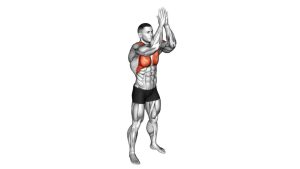
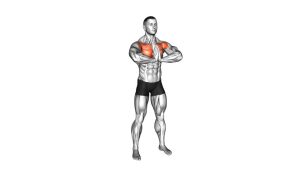
- Bring arms forward in an arc: Sweep hands inward like a wide hug. Elbow angle stays the same.
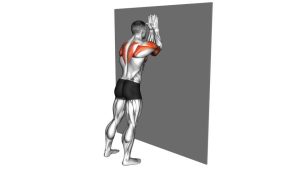
- Squeeze the chest: When hands meet (or slightly cross), pause 1–2 seconds and contract the pecs.
- Return slowly: Open the arms back out with control for 2–3 seconds (don’t swing).
- Repeat smoothly: Keep reps quiet and controlled—tension over speed.
Pro Tips & Common Mistakes
- Keep elbows soft: Locked elbows turn it into a jointy swing and reduce chest tension.
- Don’t shrug: Shoulders stay down—shrugging shifts effort to traps and neck.
- Avoid “shoulder pinch” depth: Going too far back can irritate the front shoulder. Use a comfortable arc.
- Use a squeeze, not speed: Hold 1–2 seconds at the front to make the exercise effective.
- Stay stacked: Don’t lean back and flare ribs to fake range.
- Make it harder safely: Add a light band, slow eccentrics, or longer holds instead of forcing range.
FAQ
Where should I feel the bodyweight standing fly?
Mostly in the chest, especially as you bring the arms together and squeeze. You may also feel light work in the front delts and upper arms for stability. If the shoulder joint feels pinchy, shorten the range and keep elbows slightly more bent.
Is this exercise good for building chest size?
It’s best as an activation or finisher. For hypertrophy, pair it with stronger loading options like push-ups, dumbbell presses, or resistance band presses. This fly shines when you use slow reps and hard squeezes.
How can I make it harder without weights?
Slow the lowering (3–4 seconds), add a 2–3 second squeeze at the front, increase reps, or use a light resistance band around the back to create real tension.
Should my hands touch or cross at the end?
Either works. Touching is usually easiest on the shoulders. A small cross can increase contraction, but don’t force it—keep the shoulders comfortable and the motion controlled.
Recommended Equipment (Optional)
- Resistance Bands Set — add real tension for harder fly variations and chest presses
- Mini Bands (Loop Bands) — great for warm-ups, serratus work, and shoulder-friendly activation
- Push-Up Handles — pair flys with push-ups for a stronger chest session (often easier on wrists)
- Sliding Discs / Gliding Discs — enables harder bodyweight fly progressions on smooth floors
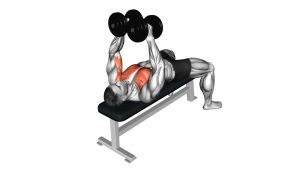
- Adjustable Dumbbells — optional upgrade for classic loaded flys and presses at home
Tip: If your shoulders are sensitive, prioritize bands and controlled tempo over deep range. The best results come from consistency, not forcing bigger motion.