Ring Chest Fly (Rings Fly): Form, Muscles Worked, Sets & Reps, Tips + FAQ
Learn how to do the Ring Chest Fly with perfect form to build strong pecs and shoulder stability. Step-by-step cues, sets & reps by goal, common mistakes, FAQs, and recommended ring gear.
Ring Chest Fly
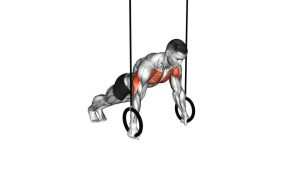
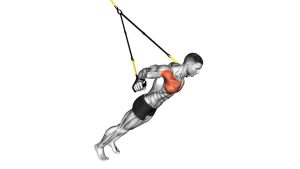
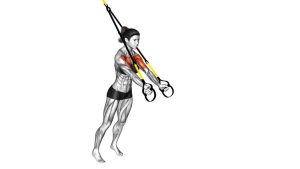
Think of this as a chest hug performed in a plank. Your job is to keep your whole body rigid (glutes + abs on), then open the arms slowly and return by squeezing the pecs—not by turning it into a press or shrugging through the shoulders.
Quick Overview
| Body Part | Chest |
|---|---|
| Primary Muscle | Pectoralis major (sternal + clavicular fibers) |
| Secondary Muscle | Anterior deltoids, serratus anterior, rotator cuff, biceps (stability), core (anti-extension) |
| Equipment | Gymnastic rings + secure anchor (optional: resistance band assist, chalk) |
| Difficulty | Intermediate to Advanced (high shoulder stability demand) |
Sets & Reps (By Goal)
- Hypertrophy (chest growth): 3–5 sets × 6–12 reps (2–3 sec lower, 60–120 sec rest)
- Strength + control: 4–6 sets × 3–6 reps (3–5 sec lower, 120–180 sec rest)
- Skill / stability practice: 2–4 sets × 5–10 reps (short range, perfect form, 60–90 sec rest)
- Finisher (light + clean): 2–3 sets × 10–15 reps (reduced lean, 45–75 sec rest)
Progression rule: First master still rings (minimal wobble). Then increase difficulty by (1) adding 1–2 reps, (2) slowing the eccentric, or (3) leaning your body forward slightly. Depth comes last.
Setup / Starting Position
- Set ring height: Start with rings around mid-chest height. Higher is easier; lower is harder.
- Choose your lean: Step forward so your body forms a rigid plank at an angle. More lean = more load.
- Lock the plank: Squeeze glutes, brace abs, ribs down. Keep a straight line from head to heels.
- Hands & elbows: Neutral grip. Keep a soft elbow bend (about 10–20°) and maintain it.
- Shoulders set: Think “shoulders down and wide.” Don’t shrug. Keep the chest proud without arching the low back.
Tip: If your shoulders feel unstable, start with a smaller range and a more upright lean until the rings stay steady.
Execution (Step-by-Step)
- Breathe and brace: Inhale gently, lock your plank, and keep your neck neutral.
- Open the arms: Let the rings drift outward in a wide arc. Go slow—your chest lowers as the arms open.
- Control the bottom: Stop where you can still keep shoulder control (no joint “dumping” forward).
- Hug back to center: Exhale and squeeze the pecs to bring the rings back together in front of the chest.
- Stabilize at the top: Brief pause. Rings still. Repeat with the same elbow angle and tempo.
Pro Tips & Common Mistakes
- Use “quiet reps”: Minimal ring wobble is a sign of control and better chest tension.
- Keep elbow bend consistent: Don’t turn it into a press by bending more at the bottom.
- Don’t chase deep stretch early: Depth without stability often irritates shoulders.
- Avoid shoulder shrugging: Shrugs shift work away from chest and destabilize the joint.
- No low-back arch: If ribs flare, bring feet forward (less lean) and brace harder.
- Regress smart: If needed, do ring push-ups or band-assisted ring flyes until stable.
FAQ
Where should I feel the Ring Chest Fly?
Mainly in the chest as you “hug” the rings back together. You’ll also feel your front shoulders and core working to stabilize, but it shouldn’t feel like sharp shoulder pinching or joint strain.
Is the Ring Chest Fly better than dumbbell flyes?
Rings aren’t automatically “better,” but they are more demanding on stabilization. Dumbbells can be easier to load progressively. Rings are excellent for control, shoulder integrity, and chest tension when performed with strict form.
How do I make it easier without changing the exercise?
Stand more upright (less lean), shorten range, raise the rings, and slow down. You can also use a light resistance band as assistance to reduce bottom-end load.
How do I know if my range is too deep?
If the rings wobble hard, your shoulders roll forward uncontrollably, you lose the plank (hips drop), or you feel pinching in the front of the shoulder, you’re too deep. Back off until every rep is stable and smooth.
Can beginners do Ring Chest Flyes?
Most beginners should build a base with ring push-ups, controlled eccentrics, and short-range flyes first. Once you can keep the rings steady and maintain a rigid plank, you can progress into full ring fly reps.
Recommended Equipment (Optional)
- Wooden Gymnastic Rings (with numbered straps) — best grip feel and comfort for fly variations
- Ring Strap Extenders / Longer Straps — useful if your anchor point is high (trees, beams, pull-up rigs)
- Door Anchor (for suspension/rings) — a home-friendly option when you don’t have an overhead mount
- Resistance Bands Set (light assistance) — helps regress flyes and supports warm-ups for shoulders
- Liquid Chalk — improves grip and reduces slipping during slow eccentrics
Tip: Always verify your anchor is solid and rated. Rings amplify instability—secure setup matters as much as form.