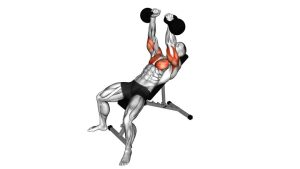
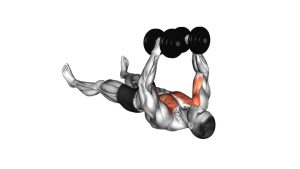
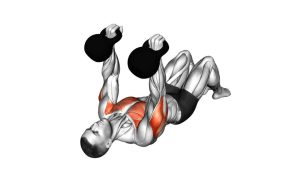
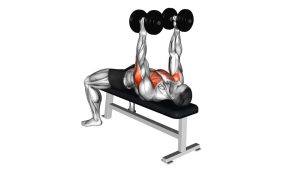
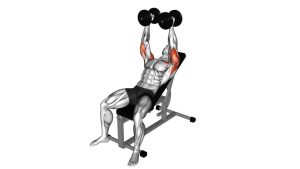
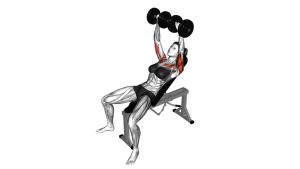
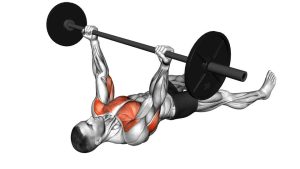
Single-Arm Dumbbell Floor Press : Form, Sets, Tips & FAQ
Learn the Single-Arm Dumbbell Floor Press to build chest strength with a shoulder-friendly range of motion. Step-by-step form, sets by goal, key tips, common mistakes, FAQs, and recommended equipment.
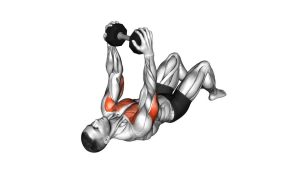
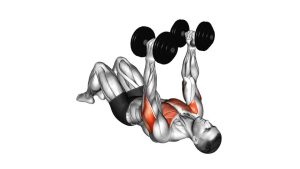
Dumbbell Single-Arm Floor Press
Treat this as a precision press. The goal is a clean, repeatable rep: wrist stacked, shoulder packed, ribs down, and the dumbbell moving on a stable path. When you do it right, you’ll feel a strong chest + triceps contraction—plus your midsection working hard to keep you from rotating.
Quick Overview
| Body Part | Chest |
|---|---|
| Primary Muscle | Pectoralis major — pressing strength with strong “hug” tension through the mid-range |
| Secondary Muscle | Triceps, anterior deltoids, serratus anterior (stability), obliques/deep core (anti-rotation) |
| Equipment | Dumbbell, floor space (optional: exercise mat) |
| Difficulty | Beginner → Intermediate (single-arm stability increases challenge) |
Sets & Reps (By Goal)
- Strength focus: 4–6 sets × 3–6 reps (90–150 sec rest, crisp reps, zero twisting)
- Hypertrophy (muscle): 3–5 sets × 8–12 reps (60–90 sec rest, 2–3 sec controlled lower)
- Endurance / pump: 2–4 sets × 12–20 reps (45–75 sec rest, steady tempo, clean lockout)
- Technique / shoulder-friendly block: 2–4 sets × 6–10 reps (lighter load, perfect stacking and pauses)
Progression rule: Add reps first while staying stable (no rotation), then add load. Your “true max” is the heaviest weight you can press with stacked wrist–elbow–shoulder and a quiet torso.
Setup / Starting Position
- Lie down stable: Sit with the dumbbell near your hip, then lie back safely. Bend knees and plant feet.
- Set the press arm: Start with the upper arm on the floor and elbow bent. Dumbbell is beside the chest.
- Pack the shoulder: Keep the shoulder “down and back” (no shrugging). Chest stays proud without flaring ribs.
- Stack the wrist: Wrist neutral, knuckles up, dumbbell centered over the forearm.
- Brace anti-rotation: Tighten abs and lightly squeeze glutes so your torso stays square.
Tip: The non-working hand can rest on the floor for balance—or on your ribs to remind you to keep the torso locked in.
Execution (Step-by-Step)
- Press straight up: Exhale and drive the dumbbell upward until your arm is nearly straight above your shoulder.
- Pause and own it: Briefly stabilize at the top—no wobble, no shoulder shrug.
- Lower with control: Bring the dumbbell down slowly until your triceps/upper arm lightly touches the floor.
- Stay square: Keep ribs down and resist rotation as you repeat each rep with the same path.
- Switch sides evenly: Match reps per side. Start with the weaker side first for better balance.
Pro Tips & Common Mistakes
Pro Tips
- Slow the eccentric: A 2–3 second lowering phase keeps tension on the chest and improves control.
- Elbow angle matters: Keep the elbow slightly tucked (about 30–60°) for a stronger, safer press.
- Press “through the floor”: Drive your feet into the ground to improve torso stability and power.
- Pause on the floor (lightly): Touch down gently—don’t bounce. Keep your shoulder packed.
- Stack and squeeze: Wrist neutral, forearm vertical, and a firm grip to keep the dumbbell stable.
Common Mistakes
- Twisting the torso: Rolling toward the working side instead of staying square.
- Shrugging at lockout: Shoulder rises toward the ear and steals tension from the chest.
- Broken wrist: Wrist bending back reduces power and can irritate the joint.
- Dropping too fast: Losing control on the way down kills chest stimulus and increases risk.
- Elbow flare: Elbow drifting too far out can shift stress to the shoulder.
FAQ
Is the single-arm floor press good for chest growth?
Yes. It loads the chest and triceps well, and the controlled range of motion helps you keep tension where you want it. For growth, use moderate loads, controlled reps, and progressive overload over time.
Why does the floor press feel different than a bench press?
The floor stops your elbow from dropping deep, which reduces stretch at the bottom and can feel more shoulder-friendly. The single-arm version also adds stability demands—so it can feel challenging even with lighter weights.
Where should I feel it?
Mainly in the chest and triceps, with your core working to prevent rotation. If you feel mostly shoulder, tuck the elbow slightly, pack the shoulder, and slow the lowering phase.
What if I feel shoulder discomfort?
Reduce load, avoid elbow flare, and keep the shoulder “down and back.” Control the descent and don’t bounce off the floor. If pain persists or feels sharp, stop and consult a qualified professional.
How can I make it harder without heavier dumbbells?
Add reps, slow the eccentric (3–4 seconds), add a 1–2 second pause at the top, or increase total sets. You can also do a “1.5 rep” style (press up, halfway down, up again, then full down) for more time under tension.
Recommended Equipment (Optional)
- Adjustable Dumbbells — easiest way to progress weight at home without owning multiple pairs
- Rubber Hex Dumbbells — stable on the floor and comfortable to handle for controlled presses
- Thick Non-Slip Exercise Mat — improves comfort for shoulders/elbows and adds grip on smooth floors
- Weightlifting Wrist Wraps — helpful if you press heavier and want extra wrist stacking support
- Dumbbell Stand / Storage Rack — makes setup easier and keeps your training area safer and cleaner
Tip: Pair pressing volume with upper-back work (rows, face pulls, rear-delts) to keep shoulders healthy and your pressing mechanics strong.