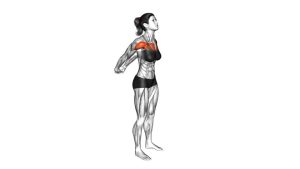
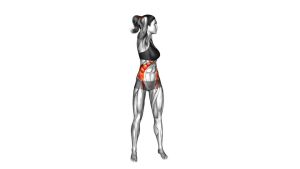
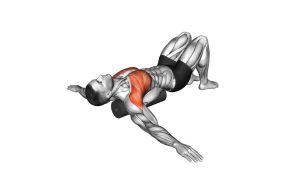
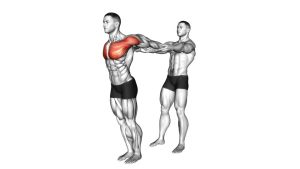
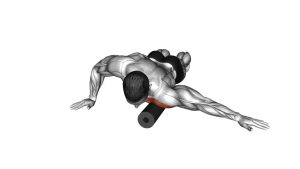
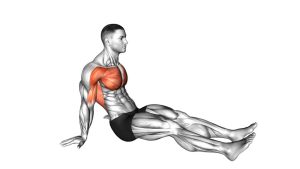
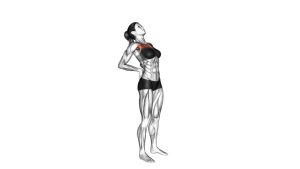
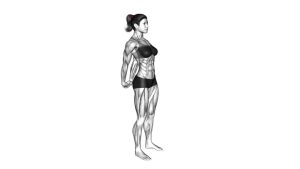
Roll Chest Opener (Lying on Floor): Form, Benefits, Sets, Tips & FAQ
Learn the Roll Chest Opener lying on the floor to stretch the chest and open the shoulders while improving thoracic rotation. Includes setup, step-by-step form, sets by goal, mistakes, FAQs, and recommended equipment.
Roll Chest Opener (Lying on Floor)
This movement is best performed with control and easy range. You should feel a comfortable stretch across the chest/front shoulder and a gentle rotation through the mid-to-upper back—not pinching in the shoulder or twisting in the lower back.
Quick Overview
| Body Part | Chest (Mobility / Stretch) |
|---|---|
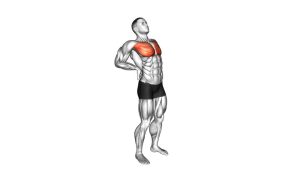
| Primary Muscle | Pectoralis major (pec stretch emphasis) |
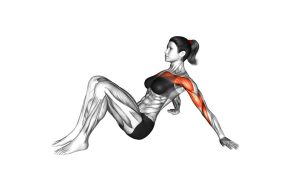
| Secondary Muscle | Anterior deltoid, pec minor, thoracic spine rotators, mid-back stabilizers (rhomboids / mid-traps) |
| Equipment | None (optional: exercise/yoga mat, small pillow/towel for head support) |
| Difficulty | Beginner (excellent for warm-ups, posture work, and recovery days) |
Sets & Reps (By Goal)
- Warm-up (before chest/upper body): 1–2 sets × 6–10 reps per side (slow, smooth)
- Mobility / posture routine: 2–3 sets × 8–12 reps per side (easy stretch, steady breathing)
- Cool-down (after training): 1–2 sets × 6–8 reps per side + 10–20 sec gentle hold at end range
- Shoulder comfort / desk break: 1 set × 5–8 reps per side (small range, no strain)
Progression note: First, improve your breathing and control. Then add 1–2 reps or a short end-range hold. Don’t force the arm to the floor—let range improve gradually.
Setup / Starting Position
- Lie on your side: Choose a comfortable surface (a mat helps).
- Stack your shoulders: Bottom arm reaches straight forward; top hand rests on top of the bottom hand.
- Stabilize the hips: Bend the top knee and place it in front of you (like a “kickstand”) to reduce hip/lower-back twisting.
- Head and neck comfort: Use a small pillow/towel under your head if your neck feels strained.
- Start relaxed: Exhale gently and let your ribs soften—avoid aggressively arching your lower back.
Execution (Step-by-Step)
- Reach forward: Begin with both arms extended in front, palms stacked, shoulders relaxed.
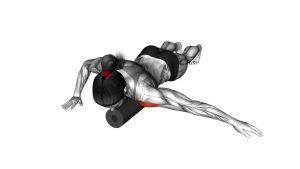
- Open the top arm: Sweep the top arm up and back in a wide arc, like opening a book.
- Rotate through the upper back: Let the chest turn toward the ceiling while the hips stay stable.
- Follow the hand with your eyes: Allow the head to rotate gently to maintain a smooth, natural spine rotation.
- Pause and breathe: At your comfortable end range, take 1–2 slow breaths (don’t force the hand to the floor).
- Return with control: Bring the top arm back along the same path to the start position and repeat.
Pro Tips & Common Mistakes
- Use your breath: Inhale as you open, exhale to soften into the stretch.
- Keep the hips steady: The bent top knee helps prevent you from “cheating” with hip rotation.
- Go slow: Smooth reps beat big reps. Avoid swinging the arm.
- Avoid shoulder pinching: If it pinches, keep the elbow slightly bent and reduce the range.
- Don’t crank the hand to the floor: Let mobility improve over time—forcing it can irritate the shoulder.
- Keep ribs controlled: Don’t turn it into a low-back arch. Think “rotate,” not “bridge.”
FAQ
Where should I feel the Roll Chest Opener?
Most people feel a comfortable stretch across the pecs/front shoulder and gentle rotation through the mid-to-upper back. You should not feel sharp pinching inside the shoulder joint.
Do I need to keep my hand flat on the floor behind me?
No. That’s a flexibility outcome, not the goal. Stop at your comfortable end range, breathe, and return smoothly. Range improves naturally with consistency.
What if I feel it mostly in my lower back?
Reduce the range and focus on keeping the hips stable (use the bent top knee as a brace). Also keep your ribs from flaring—rotation should come from the upper back, not lumbar twisting.
Is this a warm-up or a stretch?
Both. Do it as a warm-up with controlled reps, or as a cool-down stretch by adding a brief end-range pause with calm breathing.
How often can I do it?
Many people can do it 3–6 days per week because it’s low-intensity. Start with 1–2 sets per side and adjust based on how your shoulders feel.
Recommended Equipment (Optional)
- Non-Slip Yoga / Exercise Mat — adds comfort and grip for floor mobility work
- Yoga Bolster (Small) — helps support the spine and chest for gentler opening variations
- Foam Roller (Thoracic) — great pairing for upper-back extension work before chest openers
- Massage Ball / Lacrosse Ball — useful for pec and front-shoulder tissue release (light pressure)
- Stretching Strap — helps add gentle shoulder mobility work without forcing range
Tip: Keep mobility tools comfortable—if any item increases pain or tingling, skip it and reduce range.