Kettlebell Low Fly: Proper Form, Sets & Reps, Tips & FAQ
Learn how to do the Kettlebell Low Fly to build chest size with smooth tension. Step-by-step form cues, sets & reps by goal, common mistakes, FAQs, and recommended equipment.
Kettlebell Low Fly
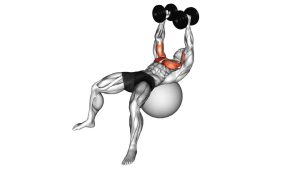
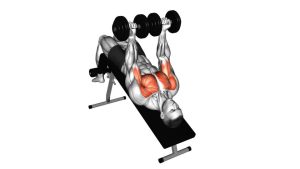
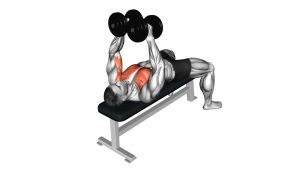
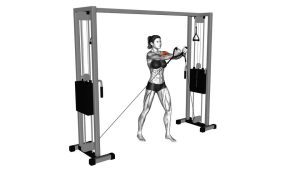
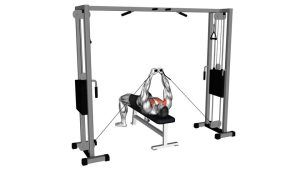
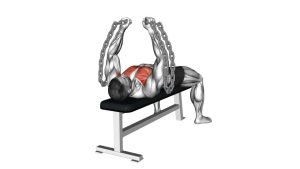
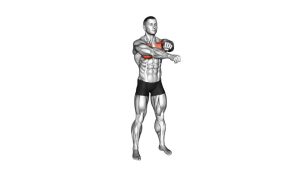
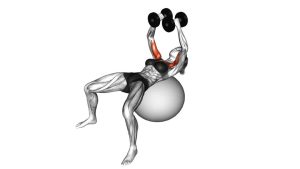
This fly works best with control and constant tension. You should feel the chest lengthen on the way down and contract as you bring the arms back together. Keep the shoulders “packed” (shoulder blades gently back and down) and avoid turning the rep into a dumbbell press by bending the elbows too much.
Quick Overview
| Body Part | Chest |
|---|---|
| Primary Muscle | Pectoralis major (chest) |
| Secondary Muscle | Anterior deltoids, biceps (stabilization), rotator cuff, forearms/grip |
| Equipment | 2 kettlebells + flat bench (optional: wrist wraps or chalk) |
| Difficulty | Intermediate (stability demand is higher than dumbbells) |
Sets & Reps (By Goal)
- Muscle growth (hypertrophy): 3–4 sets × 8–12 reps (60–90 sec rest)
- Chest “pump” finisher: 2–3 sets × 12–20 reps (45–75 sec rest)
- Control + stability focus: 2–4 sets × 6–10 reps (2–3 sec down, 60–90 sec rest)
- Strength accessory (after presses): 2–3 sets × 8–10 reps (moderate load, clean form)
Progression rule: Add reps first (until the top of your range), then add a small amount of load. If shoulder position breaks down or elbows start pressing, lighten the kettlebells and shorten the bottom range.
Setup / Starting Position
- Lie on a flat bench: Head, upper back, and glutes supported. Feet planted firmly.
- Set the shoulders: Pull shoulder blades slightly back and down to open the chest.
- Press to the start: Bring kettlebells above the mid-chest with arms nearly straight.
- Lock in elbow angle: Keep a soft bend (about 10–20°) and hold that bend throughout.
- Neutral wrists: Keep wrists stacked—don’t let the bell pull the wrist into extension.
Tip: Start lighter than you think. Kettlebells feel “different” than dumbbells because the load hangs under the handle.
Execution (Step-by-Step)
- Brace and breathe: Inhale gently, keep ribs down, and maintain a stable torso.
- Lower in a wide arc: Open the arms out to the sides with the same elbow bend—slow and controlled.
- Find a safe stretch: Stop at the point where the chest stretches but the shoulders still feel “packed.”
- Pause briefly: Hold 0.5–1 second in the bottom to remove momentum (optional but effective).
- Squeeze back up: Bring the arms back together in the same arc, thinking “hug the bench” with your pecs.
- Finish under control: Bring the bells above the chest without clanking or losing wrist position.
Pro Tips & Common Mistakes
Pro Tips
- Slow eccentric: 2–4 seconds down builds tension and improves control.
- Keep elbows “fixed”: Same bend all rep—this keeps it a fly, not a press.
- Shoulders stay packed: Think “chest up, shoulders down” at the bottom.
- Meet above mid-chest: Finish over the chest line, not over the face.
- Use straps/chalk if needed: Grip fatigue shouldn’t limit chest work too early.
Common Mistakes
- Going too deep: Overstretching turns into shoulder stress—limit depth.
- Turning it into a press: Excess elbow bend shifts load away from the pecs.
- Shrugging shoulders: Traps take over and the shoulder joint gets cranky.
- Rushing the bottom: Bounce kills control and increases strain.
- Bent wrists: Stack wrists to keep the kettlebell stable.
FAQ
Where should I feel the kettlebell low fly?
Mostly in the chest, especially through the stretch at the bottom and the squeeze on the way up. You may also feel extra stabilization in the shoulders, forearms, and grip due to the kettlebell’s offset load.
Is this better than dumbbell flies?
Not “better,” just different. Dumbbells are often easier to stabilize and load progressively. Kettlebells add a unique stability challenge and can feel great for controlled, moderate-load chest work.
How deep should I lower?
Lower until you feel a strong pec stretch while keeping the shoulders packed and pain-free. If you feel pinching in the front shoulder, reduce depth and slow down.
What’s a good tempo?
A reliable hypertrophy tempo is 2–4 seconds down, a brief pause, and 1–2 seconds up. Keep the rep smooth—no bounce.
Who should avoid this exercise?
If you have unresolved shoulder pain, instability, or a history of fly variations aggravating your joints, choose a more stable chest option (machines, cables, or push-up variations) until you can train pain-free.
Recommended Equipment
- Adjustable Kettlebell — space-saving option for progressive loading
- Kettlebell Set (Pairs) — useful if you want matching weights for flies and presses
- Flat Weight Bench — stable base for flies, presses, and rows
- Weightlifting Chalk — improves grip so your chest sets aren’t cut short
- Wrist Wraps (Optional) — extra wrist support if the kettlebell position feels unstable
Tip: Choose tools that help you keep reps smooth and controlled. Better stability usually means better chest tension.