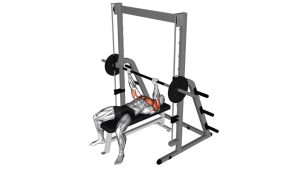
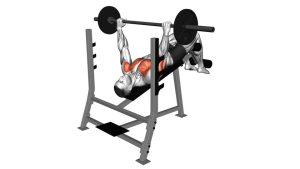
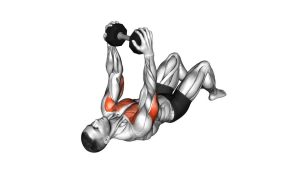
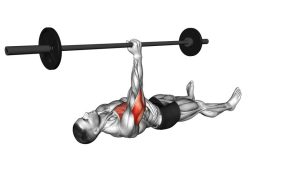
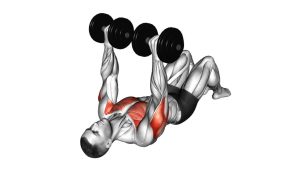
Reverse-Grip Barbell Floor Press: Safe Form, Sets & Reps, Tips & FAQ
Learn the reverse-grip barbell floor press for upper-chest focus with a shoulder-friendly range. Step-by-step form, sets by goal, mistakes, FAQs, and gear.
Reverse-Grip Barbell Floor Press
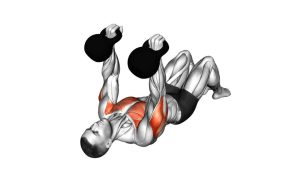
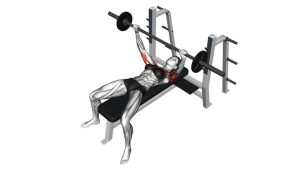
This variation is ideal if you want a press that feels more comfortable on the shoulders than a full-range bench press. The reverse grip encourages a slightly different pressing angle that many lifters feel more in the upper chest. Because your upper arms contact the floor, you’ll get consistent reps without excessive shoulder stretch.
Quick Overview
| Body Part | Chest |
|---|---|
| Primary Muscle | Upper chest (clavicular pectoralis major) |
| Secondary Muscle | Triceps, anterior deltoids, forearms/grip stabilizers |
| Equipment | Barbell + plates (optional: floor mat, wrist wraps) |
| Difficulty | Intermediate (reverse grip requires strong wrist control and bar stability) |
Sets & Reps (By Goal)
- Strength focus: 4–6 sets × 3–6 reps (2–3 min rest, controlled descent)
- Muscle growth: 3–5 sets × 6–12 reps (60–120 sec rest, smooth tempo)
- Lockout / triceps emphasis: 3–6 sets × 5–10 reps (pause on the floor for 1 sec)
- Shoulder-friendly pressing day: 2–4 sets × 8–12 reps (moderate effort, perfect form)
Progression rule: Add reps first (same form), then add small weight jumps. If wrists bend back or the bar path wobbles, reduce load and tighten technique.
Setup / Starting Position
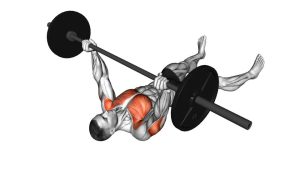
- Lie on the floor: Head, upper back, and hips on the floor. Bend knees with feet flat for stability.
- Set your shoulders: Pull shoulder blades slightly down and back—keep the chest proud without over-arching.
- Grip the bar underhand: Hands about shoulder-width to slightly wider. Use a full grip (thumbs wrapped).
- Stack wrists and elbows: Keep wrists neutral and forearms mostly vertical when the bar is over your chest.
- Unrack safely: Ideally from a rack set low, or with a spotter. Start with arms locked out above mid-chest.
Tip: If reverse grip feels uncomfortable, narrow your grip slightly and focus on keeping the bar centered in the palm (not in the fingers).
Execution (Step-by-Step)
- Brace: Tighten your core and keep your ribs controlled. Maintain shoulder blades “packed.”
- Lower with control: Bring the bar down toward the lower-to-mid chest line. Elbows stay slightly tucked.
- Touch the floor softly: Let the upper arms/triceps contact the floor—no bouncing.
- Pause briefly: Hold for ~1 second to stay strict and stable.
- Press up: Drive the bar upward to lockout while keeping wrists stacked and shoulders stable.
- Reset: Re-brace and repeat with the same bar path each rep.
Pro Tips & Common Mistakes
- Keep a closed grip: Never use a thumbless grip on a reverse-grip barbell press.
- Don’t over-lower: The floor is your stop—avoid trying to “force” extra range.
- Wrists stacked: Think “knuckles to the ceiling.” Wrist collapse usually means too much weight.
- Control the descent: A slow, steady eccentric protects shoulders and keeps tension on the chest.
- Elbows slightly tucked: Flaring can irritate shoulders and destabilize the reverse grip.
- Pause for quality: A 1-second pause on the floor builds strength and removes bounce.
- Use a rack/spotter: Unracking and racking can be the riskiest part on the floor—set up smart.
FAQ
Is the reverse-grip floor press better for upper chest?
It can be. Many lifters feel the reverse grip shifts tension higher on the chest compared to a standard grip. The exact feel depends on your grip width, elbow path, and shoulder position.
Why do floor presses feel easier on the shoulders?
Because the floor limits how far your upper arms can travel, reducing deep shoulder extension. That often makes pressing more comfortable—especially for lifters who feel pinching on full-range bench press.
Where should I feel it?
You should feel strong effort in the chest (often upper chest) and triceps. If you mainly feel wrist strain, reduce weight and focus on a stacked wrist position.
Can beginners do this exercise?
Beginners can, but it’s usually better to learn a standard floor press or dumbbell press first. The reverse grip demands extra wrist control and bar stability—start light and build skill.
Do I need a spotter?
Strongly recommended for heavier work. If training alone, use a rack with safeties, or keep loads conservative. Reverse grip increases the importance of secure setup and control.
Recommended Equipment
- Wrist Wraps (Weightlifting) — helps keep wrists stacked and stable for reverse-grip pressing
- Barbell Pad — optional comfort tool for unracking practice or certain setups
- Thick Exercise Mat — improves comfort and keeps positioning consistent on the floor
- Power Rack with Safety Bars — safest way to unrack/rack and press heavier weights at home
- Locking Barbell Collars — keeps plates secure, especially during strict paused reps
Tip: If any tool increases discomfort (especially wrists/shoulders), reduce load and prioritize technique first.