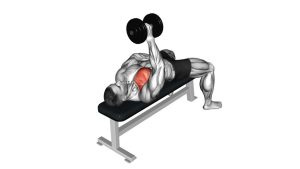
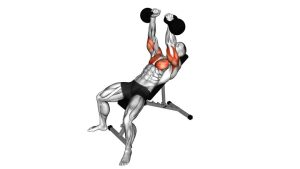
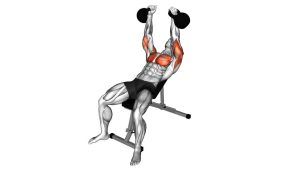
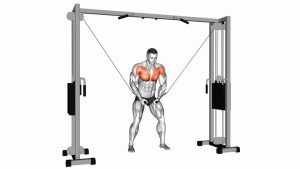
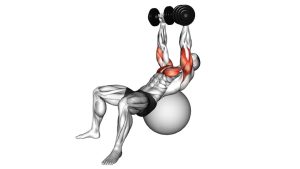
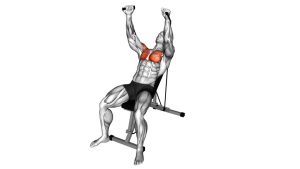
Kettlebell Incline Fly: Proper Form, Sets & Reps, Tips & FAQ
Master the kettlebell incline fly for upper-chest growth with step-by-step form cues, sets & reps by goal, common mistakes to avoid, FAQs, and recommended equipment.
Kettlebell Incline Fly
This fly variation is about tension, not heavy weight. Use a load you can control with a steady tempo, a consistent elbow bend, and stable shoulder blades. You should feel the chest doing most of the work—especially the upper portion—without pinching in the front of the shoulder.
Quick Overview
| Body Part | Chest |
|---|---|
| Primary Muscle | Pectoralis major (clavicular head / upper chest) |
| Secondary Muscle | Anterior deltoids; serratus anterior (stability); biceps (stability) |
| Equipment | Incline bench + kettlebells |
| Difficulty | Intermediate (stability-heavy, best with controlled tempo) |
Sets & Reps (By Goal)
- Muscle growth (hypertrophy): 3–5 sets × 8–15 reps (60–90 sec rest)
- Strength accessory (chest control): 3–4 sets × 6–10 reps (90–120 sec rest)
- Endurance / pump: 2–4 sets × 15–25 reps (45–75 sec rest)
- Warm-up / activation: 2–3 sets × 10–15 reps (light load, slow tempo)
Progression rule: First add reps (or slow the lowering phase to 3–4 seconds). Then increase load only if your shoulders stay packed and the kettlebells don’t wobble at the bottom.
Setup / Starting Position
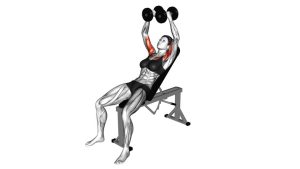
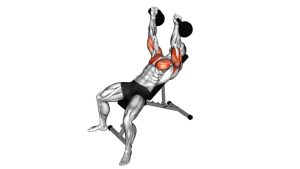
- Set bench angle: Use a moderate incline (about 30–45°) to emphasize upper chest without turning it into a shoulder movement.
- Get stable: Feet flat, glutes on bench, upper back supported. Keep a natural arch—don’t overextend.
- Pack the shoulders: Pull shoulder blades gently down and back (retracted + depressed) to create a stable base.
- Grip and wrist position: Hold the kettlebell handles firmly with neutral wrists (no bending back).
- Start above upper chest: Arms up with a soft elbow bend (10–20°). Keep that bend for the entire set.
Tip: If shoulders feel cranky, reduce the incline angle slightly and shorten your range so the bottom position stays comfortable.
Execution (Step-by-Step)
- Brace and set: Inhale, lock in your shoulder blades, and keep the ribcage “stacked” (no big flare).
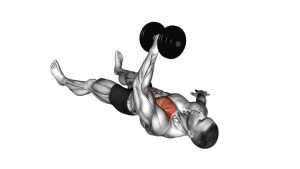
- Lower in an arc: Open the arms slowly to the sides like you’re making a wide hug. Keep elbows softly bent and wrists neutral.
- Own the stretch: Stop when you feel a solid chest stretch without shoulder pain. Upper arms usually end around chest level.
- Squeeze back up: Exhale and bring the kettlebells back together over the upper chest by squeezing the pecs—no pressing.
- Finish controlled: Meet at the top without clanking the bells. Reset posture and repeat.
Pro Tips & Common Mistakes
- Use a “hug” cue: Think “wrap the arms around a barrel” to keep tension on the chest.
- Control the eccentric: Lower for 2–4 seconds; this is where the fly builds a lot of growth stimulus.
- Keep elbows fixed: Changing elbow angle turns it into a press and shifts work away from the chest.
- Don’t go too deep: Extra depth often becomes shoulder stress. Stop at a strong stretch you can control.
- Shoulders stay packed: If the shoulders drift forward, you lose chest tension and increase joint stress.
- Choose the right incline: Too steep becomes mostly front delts; keep it moderate for upper chest.
FAQ
Where should I feel the kettlebell incline fly?
You should feel it mainly in the upper chest, with a controlled stretch at the bottom and a strong squeeze at the top. Mild front-delt involvement is normal, but sharp shoulder pinching is not.
How deep should I lower the kettlebells?
Lower only as far as you can keep the shoulders stable and pain-free. A good rule: stop when the upper arms are near chest level or when you reach your first strong stretch—whichever comes first.
Is this better than dumbbell incline flies?
Not “better,” just different. Kettlebells increase stability demand because the load hangs below the handle. Dumbbells can feel smoother; kettlebells can build more control if you keep the reps strict.
What bench angle is best for upper chest?
Most lifters do well around 30–45°. If you feel mostly shoulders, lower the angle. If you feel mostly mid-chest, raise the angle slightly (but avoid very steep inclines).
How heavy should I go?
Start lighter than you think—flies are about form. Choose a load you can control for your target reps with a steady lowering phase, stable shoulders, and no wobbling at the bottom.
Recommended Equipment (Optional)
- Adjustable Incline Weight Bench — dial in a 30–45° incline for upper-chest emphasis
- Adjustable Kettlebell — one handle, multiple loads for progression without buying many bells
- Kettlebell Set — convenient if you want multiple pairs for different rep ranges
- Wrist Wraps (Training) — helpful if you feel wrist fatigue from kettlebell stability demands
- Resistance Bands Set — great for warm-up (pull-aparts/face pulls) to prep shoulders before flies
Tip: If any tool increases shoulder discomfort, scale back. For flies, control beats load every time.