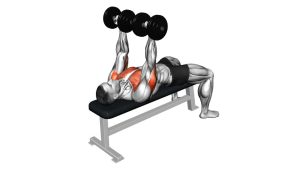
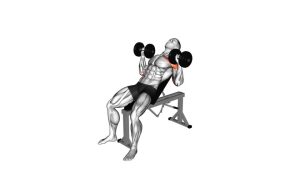
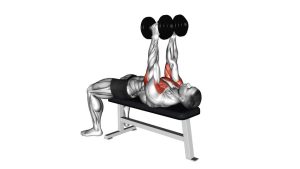
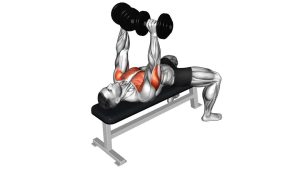
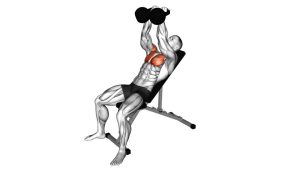
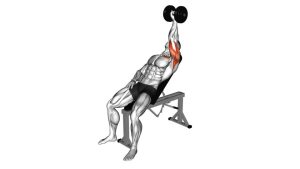
Kettlebell Incline Hammer Press: Upper Chest Form, Sets, Tips & FAQ
Learn the Kettlebell Incline Hammer Press to build upper-chest size and pressing stability with a shoulder-friendly neutral grip. Includes setup, step-by-step form cues, sets by goal, common mistakes, FAQs, and recommended equipment.
Kettlebell Incline Hammer Press
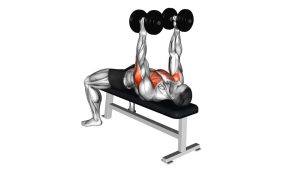
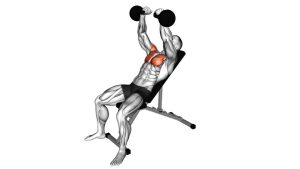
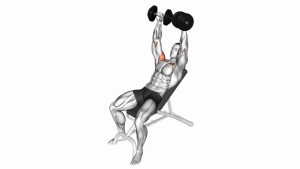
This variation is ideal if you want upper-chest growth without the shoulder irritation some lifters feel on flared-elbow incline pressing. Keep the ribcage controlled, shoulder blades gently retracted on the bench, and use a steady tempo—kettlebells reward clean reps more than aggressive speed.
Quick Overview
| Body Part | Chest |
|---|---|
| Primary Muscle | Upper chest (clavicular head of pectoralis major) |
| Secondary Muscle | Anterior deltoids, triceps, serratus anterior, rotator cuff (stability) |
| Equipment | Incline bench + 2 kettlebells (optional: wrist wraps, chalk) |
| Difficulty | Intermediate (pressing + stability demand) |
Sets & Reps (By Goal)
- Hypertrophy (upper chest): 3–5 sets × 8–12 reps (60–90 sec rest, controlled tempo)
- Strength focus: 4–6 sets × 4–6 reps (2–3 min rest, perfect form)
- Endurance / pump: 2–4 sets × 12–20 reps (45–75 sec rest, smooth reps)
- Warm-up / technique: 2–3 sets × 6–10 reps (light, slow eccentrics)
Progression rule: Add reps first (e.g., 8 → 12), then increase load in small jumps. If you lose wrist stacking or the bells wobble, stay at the same weight and clean up the rep.
Setup / Starting Position
- Set the bench: Use a moderate incline (about 30–45°) to bias the upper chest without turning it into a shoulder press.
- Foot base: Plant feet firmly and keep your hips stable—no sliding or lifting.
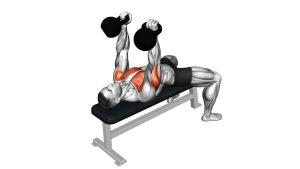
- Rack the bells: Hold kettlebells in a neutral grip near the upper chest/shoulders. Wrists stacked (no bending back).
- Shoulder position: Pull shoulder blades gently “down and back” into the bench. Keep traps relaxed.
- Core + ribs: Brace lightly and keep ribs from flaring excessively—aim for a strong but natural arch.
Tip: If the bells feel unstable, start with lighter kettlebells and shorten the range slightly until your wrists and shoulders stay locked-in.
Execution (Step-by-Step)
- Start tight: Bells at upper chest line, elbows slightly tucked (about 30–45° from your torso), wrists stacked.
- Press up: Drive the bells upward and slightly inward until they stack over the shoulders. Keep the neutral grip.
- Control the top: Reach full extension without aggressively locking or letting shoulders shrug toward your ears.
- Lower slowly: Bring the bells down under control (2–3 seconds), keeping elbows tucked and forearms vertical.
- Repeat clean reps: Maintain the same pressing groove—no bouncing, no drifting bells, no rib flare.
Pro Tips & Common Mistakes
- Keep wrists stacked: Don’t let wrists bend back—this is the #1 reason kettlebells feel shaky.
- Don’t turn it into a shoulder press: Avoid a steep incline and don’t press toward your forehead.
- Elbows slightly tucked: Too wide can irritate shoulders; too tucked can over-shift to triceps.
- Control the eccentric: Slow lowering builds more chest tension and keeps the bells stable.
- Avoid rib flare: Excess arch reduces chest stimulus and stresses the lower back.
- Use a consistent groove: Same start point, same finish point, same tempo.
Common mistakes
- Bells wobbling: Usually too heavy or wrists not stacked—reduce load and tighten grip.
- Shoulders shrugging: Re-pack shoulders and keep neck long.
- Pressing too high: Cue “stack over shoulders,” not “reach over face.”
FAQ
What part of the chest does this hit the most?
With a moderate incline (30–45°), this primarily targets the upper chest (clavicular pec fibers), while also involving the front delts and triceps.
Is a neutral grip better for shoulders?
For many lifters, yes. A neutral (hammer) grip often feels more shoulder-friendly because it reduces the amount of forced external rotation compared with a wide, flared grip.
Should the kettlebells touch at the top?
Not necessary. Finish with the bells stacked over your shoulders. If they touch, that’s fine, but don’t bang them together—keep tension and control.
Why do kettlebells feel harder than dumbbells at the same weight?
The kettlebell’s center of mass sits below the handle, increasing stability demands at the wrist and shoulder. Start lighter until your reps are steady and smooth.
How can I make it more chest-focused?
Use a slightly lower incline, keep elbows at a comfortable tuck, slow the lowering phase, and stop 1–2 reps short of failure if form breaks. A brief pause near the bottom can also increase chest tension.
Recommended Equipment (Optional)
- Adjustable Kettlebell — space-saving way to progress load while keeping a consistent feel
- Kettlebell Set (Multiple Weights) — useful for warm-ups, working sets, and micro-progression
- Adjustable Incline Weight Bench — stable incline angles improve pressing comfort and consistency
- Wrist Wraps (Lifting) — extra wrist support if kettlebells feel unstable or your wrists fatigue early
- Gym Chalk — improves grip security and reduces handle slipping during heavier sets
Tip: Choose tools that improve stability and comfort. If any item causes pain or changes your form for the worse, remove it.