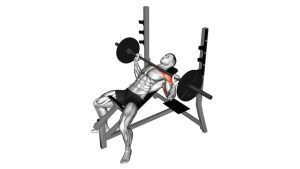
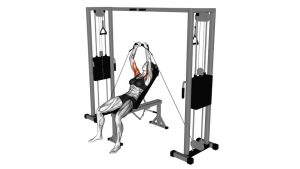
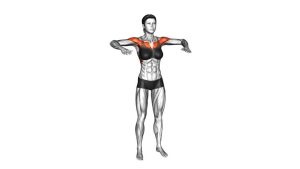
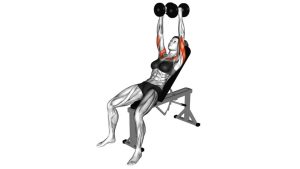
Kettlebell Incline Twisted Fly: Form, Sets & Tips for Upper Chest
Learn the Kettlebell Incline Twisted Fly to target the upper chest with a fly + rotation for a stronger squeeze and better stability. Includes setup, step-by-step form, sets by goal, mistakes, FAQs, and recommended gear.
Kettlebell Incline Twisted Fly
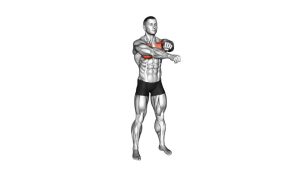
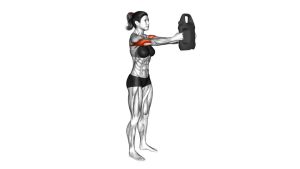
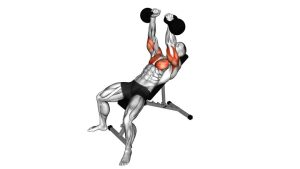
This is a fly first, twist second. The goal is smooth horizontal adduction (bringing the arms in) while maintaining stable shoulders. The “twist” should feel like a gentle finishing rotation to improve the squeeze—never a forced wrist crank or shoulder roll.
Quick Overview
| Body Part | Chest |
|---|---|
| Primary Muscle | Upper chest (clavicular head of pectoralis major) |
| Secondary Muscle | Anterior deltoid; biceps (stabilizing); rotator cuff; forearms/grip |
| Equipment | Incline bench (30–45°) + kettlebells |
| Difficulty | Intermediate (stability + control emphasis) |
Sets & Reps (By Goal)
- Hypertrophy (main work): 3–5 sets × 8–12 reps (60–90 sec rest)
- Controlled volume (upper chest focus): 3–4 sets × 10–15 reps (45–75 sec rest)
- Finisher / pump: 2–3 sets × 12–20 reps (30–60 sec rest, lighter load)
- Strength-support accessory: 3–4 sets × 6–10 reps (90 sec rest, strict form)
Progression rule: Earn load with control. Add reps first, then add a small weight increase. If your shoulders take over, reduce load and slow the lowering phase.
Setup / Starting Position
- Set the incline: Use a 30–45° bench. Higher angles shift more work to shoulders.
- Get stable: Feet flat and wide enough to brace. Hips stay down on the bench.
- Pack the shoulders: Pull shoulder blades back and slightly down (don’t shrug).
- Start above upper chest: Kettlebells over the upper chest/shoulder line, elbows softly bent.
- Wrist position: Neutral and strong. Don’t let the kettlebell pull your wrist into awkward angles.
Tip: Keep a constant elbow bend—your arms act like a fixed frame so the chest, not the triceps, drives the motion.
Execution (Step-by-Step)
- Inhale and lower: Open the arms in a wide arc until you feel a controlled chest stretch.
- Keep the shoulders set: No shrugging, no “rolling” forward at the bottom.
- Maintain elbow bend: Avoid turning this into a press (too much elbow flexion).
- Drive the fly upward: Bring the arms back together using the chest—think “hug the bench.”
- Add the twist near the top: As the bells approach each other, rotate slightly for a stronger squeeze (smooth, not forced).
- Squeeze and reset: Brief 1-second squeeze above the upper chest, then repeat with control.
Pro Tips & Common Mistakes
Pro Tips
- Control the eccentric: 2–3 seconds down builds chest tension and keeps shoulders safe.
- Twist late: Rotate mostly in the top 20–30% of the rep for a clean squeeze.
- Stay stacked: Ribs down, slight natural arch, neck long—don’t over-arch to “cheat” range.
- Match the arc: Keep both bells symmetrical—don’t let one drift forward or inward early.
Common Mistakes
- Turning it into a press: If elbows bend too much, tension shifts away from the fly.
- Overstretching at the bottom: Going too deep can irritate the shoulder—stop where you can stay packed.
- Cranking the wrists: The twist is smooth. If your wrists hurt, lighten the load or reduce rotation.
- Shrugging or rolling shoulders forward: This dumps stress into the front delts and reduces chest work.
FAQ
Where should I feel the Kettlebell Incline Twisted Fly?
Mostly in the upper chest, with a strong squeeze as the bells come together. You’ll also feel stabilizers (rotator cuff, forearms) working because kettlebells are offset. If the front shoulder dominates, reduce range and slow down.
How much should I twist at the top?
Only a small, comfortable rotation. Think “finish the rep with a squeeze,” not “force a big twist.” The rotation should never cause wrist pain or shoulder rolling.
Is this better than dumbbell incline fly?
It’s not strictly better—just different. Kettlebells add instability and can improve control and squeeze for some lifters. Dumbbells are often easier to load and balance. Choose the version that feels strongest in your chest and safest in your shoulders.
What incline angle is best for upper chest?
Most lifters do best around 30–45°. Too steep can shift work into the shoulders. Pick the angle where you feel upper chest clearly without shoulder discomfort.
Who should avoid or modify this exercise?
If you have ongoing shoulder pain, instability, or a history of shoulder impingement, start with a smaller range, lighter load, or choose a more stable option (cables/machines). If symptoms persist, consult a qualified professional.
Recommended Equipment (Optional)
- Adjustable Incline Weight Bench — stable incline positioning with multiple angle options
- Adjustable Kettlebell — quick weight changes without owning multiple kettlebells
- Kettlebell Pair (Matching Weights) — balanced loading for cleaner fly mechanics
- Lifting Chalk — improves grip control so your chest (not slipping hands) limits the set
- Resistance Bands Set — great for warm-ups (band pull-aparts) and shoulder prep before fly work
Tip: If your wrists feel taxed, lower the load and reduce the twist. The best reps feel smooth, controlled, and chest-driven.